





 Portuguese
  English
  Spanish
  5 min of reading
  0 comments


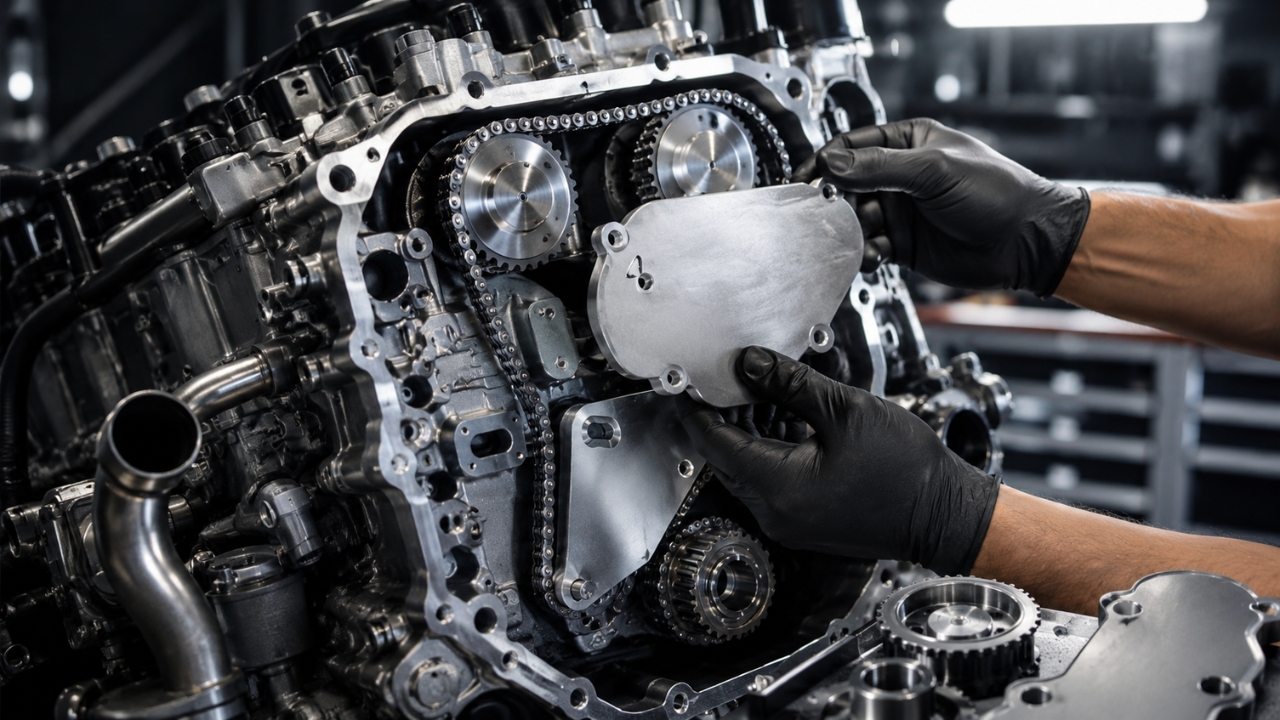
The controversy of engines with belts in contact with oil gains a new chapter with an independent solution created for PureTech models. The kit promises to alter the original system and rekindles the debate on durability, maintenance, and driver confidence.
The oil-bathed belt, one of the most debated technologies among drivers and mechanics in recent years, has just gained a new chapter. An independent company has created a conversion kit that promises to replace the original system with a metal chain, without requiring major changes to the engine block.
The proposal is simple and explosive: to tackle precisely the point that most frightens car owners with this type of engine, the possibility of belt wear, circulation of residues through the lubricant, and expensive damage to the internal part of the assembly.
The main target is the 1.2 PureTech engine, used in models from Stellantis group brands in Europe and known for having placed the oil-bathed belt at the center of a confidence crisis among consumers.
-
Man pays only R$ 17,500 for a 2021 Hyundai Creta at auction, finds SUV covered in mud and with a stalled engine, but discovers the problem was much smaller than everyone imagined.

-
Cheaper than the JAC T60 Plus: with a 1.5 flex engine, 1.6 option with 138 hp, CVT-type automatic transmission, 360 camera, panoramic sunroof, and 10-inch central unit, this used Chinese SUV tries to convince those looking for a complete package: meet the JAC T40 Plus 2022.
-
Man spends 20,000 hours and 7 years building a functional wooden supercar with a Cadillac V8 engine, 20 types of wood, and a reported top speed of 320 km/h.
-
With a compact design and performance above expectations: 1.5 flex engine with up to 136 hp, 6-speed automatic transmission, 445-liter trunk, and four airbags make the Ford Ka Sedan Titanium 1.5 Automatic 2020 a well-equipped used car.



The kit that promises to change the conversation about the oil-bathed belt
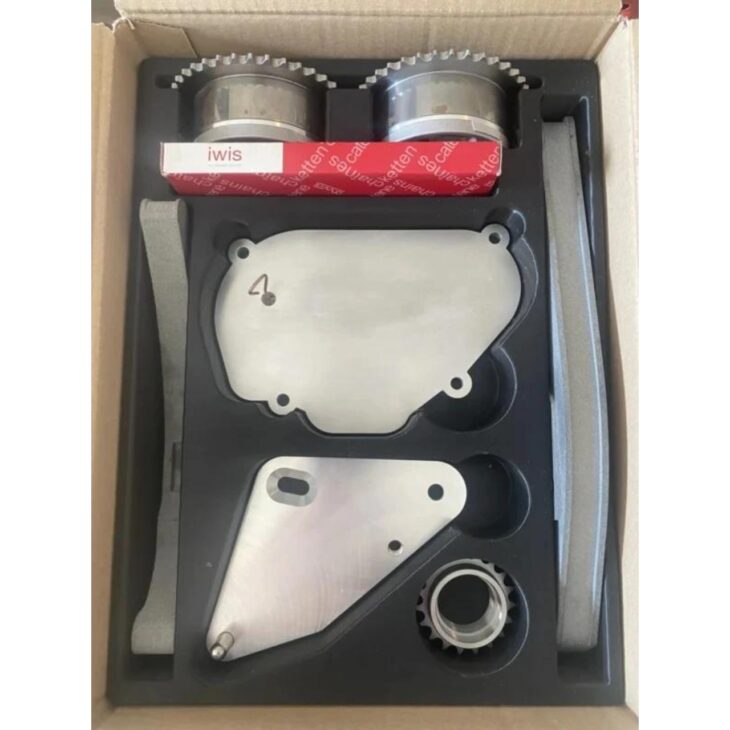
The solution was developed by Pro Chain and went on pre-sale in the European market. The first deliveries are scheduled for the second half of 2026, which has already turned the product into a hot topic among workshops and owners.
The set replaces the original belt with a metal timing chain. The big promise lies in the fact that installation does not require block machining, nor deep structural changes to the engine.
In practice, this means that the kit attempts to transform an intervention that seemed restricted to factory engineering into a possible alternative for specialized workshops.
The package includes chain, guides, tensioner, and its own lubrication line. This dedicated line is important because the metal chain also needs to work properly lubricated to maintain engine timing.
Why this system became a source of fear among drivers
The oil-bathed belt was not born as a villain. The technology was adopted to reduce friction, noise, and mechanical losses, helping modern engines become more efficient, compact, and quiet.
The problem is that, under certain usage conditions, especially with heavy urban traffic, fuel contaminating the oil, or maintenance not following the correct standards, the belt can degrade sooner than expected.
When this happens, fragments of the material can circulate through the oil and compromise lubrication. In severe cases, these residues can block oil intake, reduce lubrication pressure, and pave the way for severe engine damage.
It is precisely this fear that has turned the expression oil-bathed belt into almost a red alert for some consumers. For many owners, the concern has shifted from being merely technical to worrying about maintenance costs, resale, and the risk of loss.
Metal chain became the answer many wanted to hear


The metal chain has another emotional appeal for the driver. It is often associated with the idea of greater durability, even though it also requires correct design, proper lubrication, and responsible maintenance.
In the case of the 1.2 PureTech, the engine’s own evolution has already moved towards versions with a metal chain. In 2023, this engine was updated to work with this type of solution, first in more modern configurations and then in purely combustion applications.
The new kit attempts to bring part of this logic to existing engines, which explains the immediate market interest. Instead of waiting only for new cars, the idea is to offer a solution for units that are already on the road.
The compatibility reported by specialized publications involves naturally aspirated and turbo versions of the EB0 and EB2 families, with codes such as EB2DT, EB2DTS, EB2ADT, EB2ADTD, EB2ADTS, and EB2ADTX.
Solution does not apply to all cars with this system
Despite the impact, it is important not to confuse the novelty with a universal solution. The kit specifically targets European PureTech engines and does not mean that any car with an oil-bathed belt can switch the system to a chain.
In Brazil, this difference is crucial. National models widely discussed on social media, such as those equipped with General Motors’ three-cylinder engines, do not currently have an equivalent conversion available on the market.
This completely changes the reading of the subject. The kit may be a real answer for a specific family of engines, but it should not be treated as a general cure for all engines that use a belt in contact with oil.
There is also another sensitive point: replacing the belt with a chain may address the risk associated with the degradation of this component, but it does not mean automatically solving any other possible engine problem.
Crisis became too big to be ignored
The repercussion did not arise from nowhere. In May 2025, Stellantis announced a compensation platform for European consumers who incurred expenses due to problems related to excessive oil consumption or premature belt degradation in PureTech 1.0 and 1.2 engines.
The policy covers expenses contracted between January 1, 2022 and December 31, 2024, provided that maintenance and diagnostic conditions are met. The extended warranty can reach up to 10 years or 112,000 miles, with cost coverage under specific rules.
These numbers show that the discussion has moved from the workshop to the center of the relationship between manufacturer, consumer, and the used car market.
What is still missing
Even with all the noise, one decisive piece of information has not yet appeared: the price of the kit. Without this data, it is difficult to measure whether the conversion will be an accessible solution or a solution for a more restricted audience.
The feasibility will depend on the cost of the parts, specialized labor, and the comparison with preventive replacements of the original belt. For the owner, the final calculation will really decide if the promise makes sense.
Even so, the message is already given. The oil-bathed belt, once sold as a modern efficiency solution, has become a symbol of distrust for many drivers. Now, a metal chain appears as a possible answer for part of this fleet.
And that is why the topic matters now: it is not just about a part inside the engine, but a larger dispute between trust, maintenance cost, and the desperate search for a solution that removes from owners the fear of an expensive and silent breakdown.






Be the first to react!