Portuguese
  Spanish


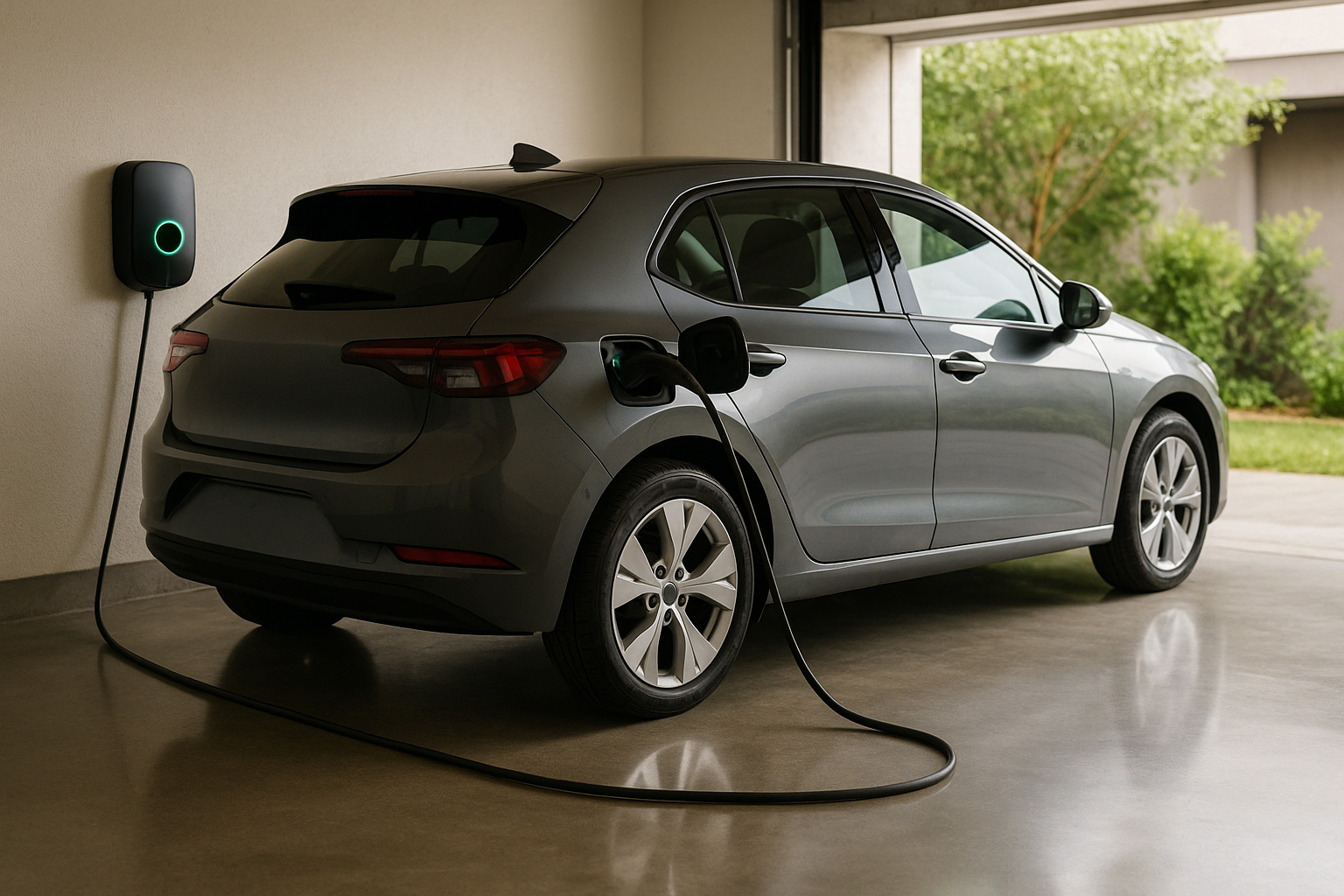


The Rapid Growth of Electric Cars Is Transforming the Automotive Industry at an Alarming Rate: New Manufacturers Are Emerging, Dealerships Are Closing, and the Old Business Model Is Struggling in the Digital Age
In recent years, the automotive market has undergone an unprecedented revolution. Electrification, which began as a promise of innovation and sustainability, is shaking the industry’s foundations. What once seemed to be the promising future of automobiles has turned into a silent nightmare for thousands of dealerships, which are closing their doors as direct sales and the digital model dominate the sector.
This phenomenon is already a large-scale reality in China, the world’s largest electric car market. According to analysts from Bloomberg, more than 8,000 Chinese dealerships have shut down since 2020, the result of an explosive combination of overproduction, fierce competition, and shrinking margins. The Chinese collapse serves today as a global warning for what might happen in other countries — including Brazil.
Overproduction Has Become the Industry’s Greatest Enemy
The overwhelming success of Chinese Electric Cars has attracted hundreds of new manufacturers in recent years. Driven by subsidies from the Beijing government, about 200 manufacturers have begun competing for the same market space, resulting in an unprecedented oversupply.
-
End of an era in Brazil: beloved sedan by Brazilians is discontinued despite having a 2.0 engine with 151 hp, CVT transmission, 466-liter trunk, and up to 650 km of range.

-
New Law Proposal in Brazil Could Heavily Penalize Drivers: Dangerous Overtaking May Become a Serious Offense with Fines Increased Tenfold and a 12-Month License Suspension; Update on 2026 Progress

-
Electric Revolution: Watts W125 Motorcycle Offers 160 km Range, 90 km/h Speed, and Affordable Price Starting at $3,000
-
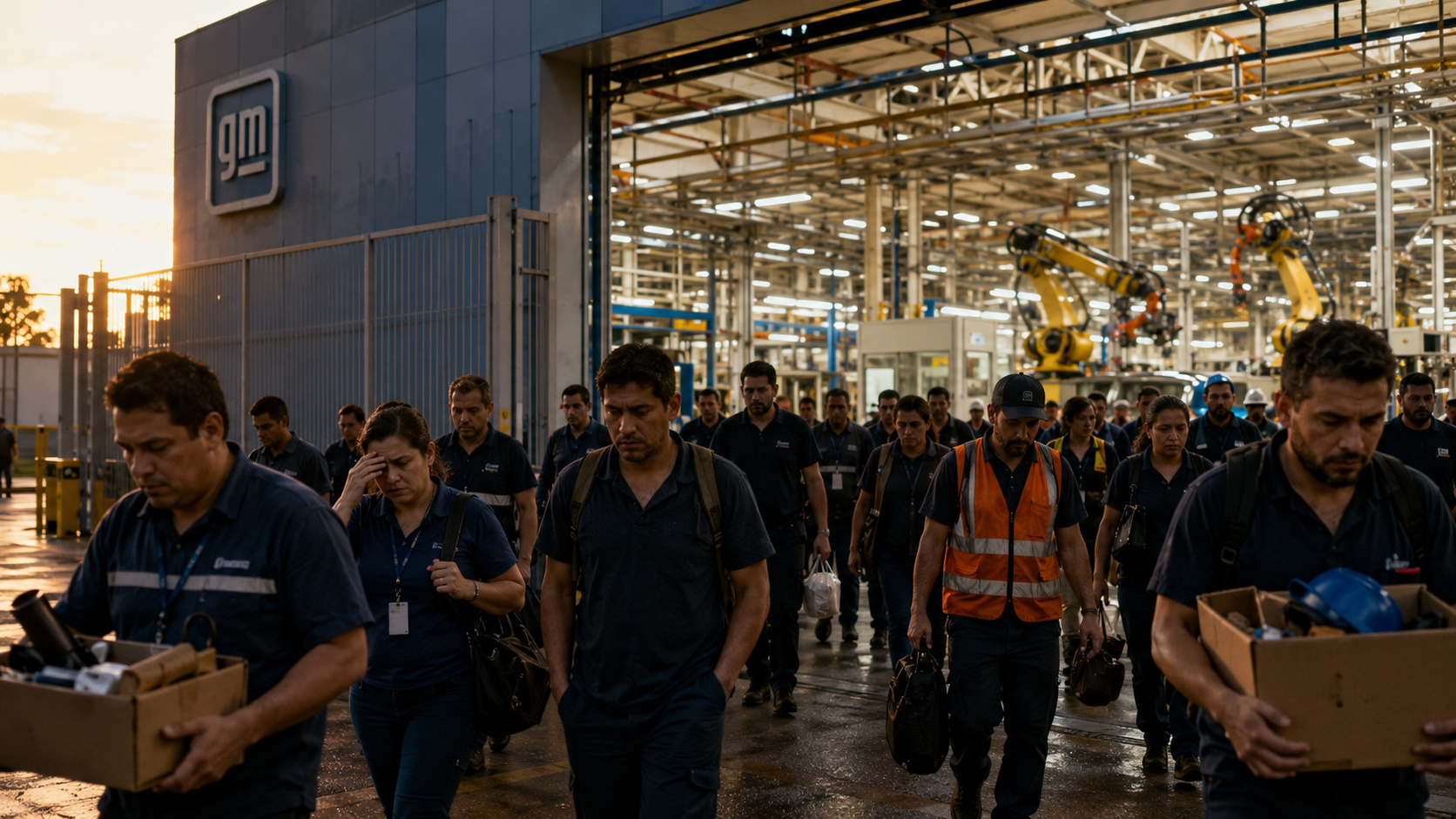
General Motors Replaces Over a Thousand Workers with 50 Cobots at Electric Vehicle Plant, UAW Union Criticizes Move Amid Industry’s Automation Push
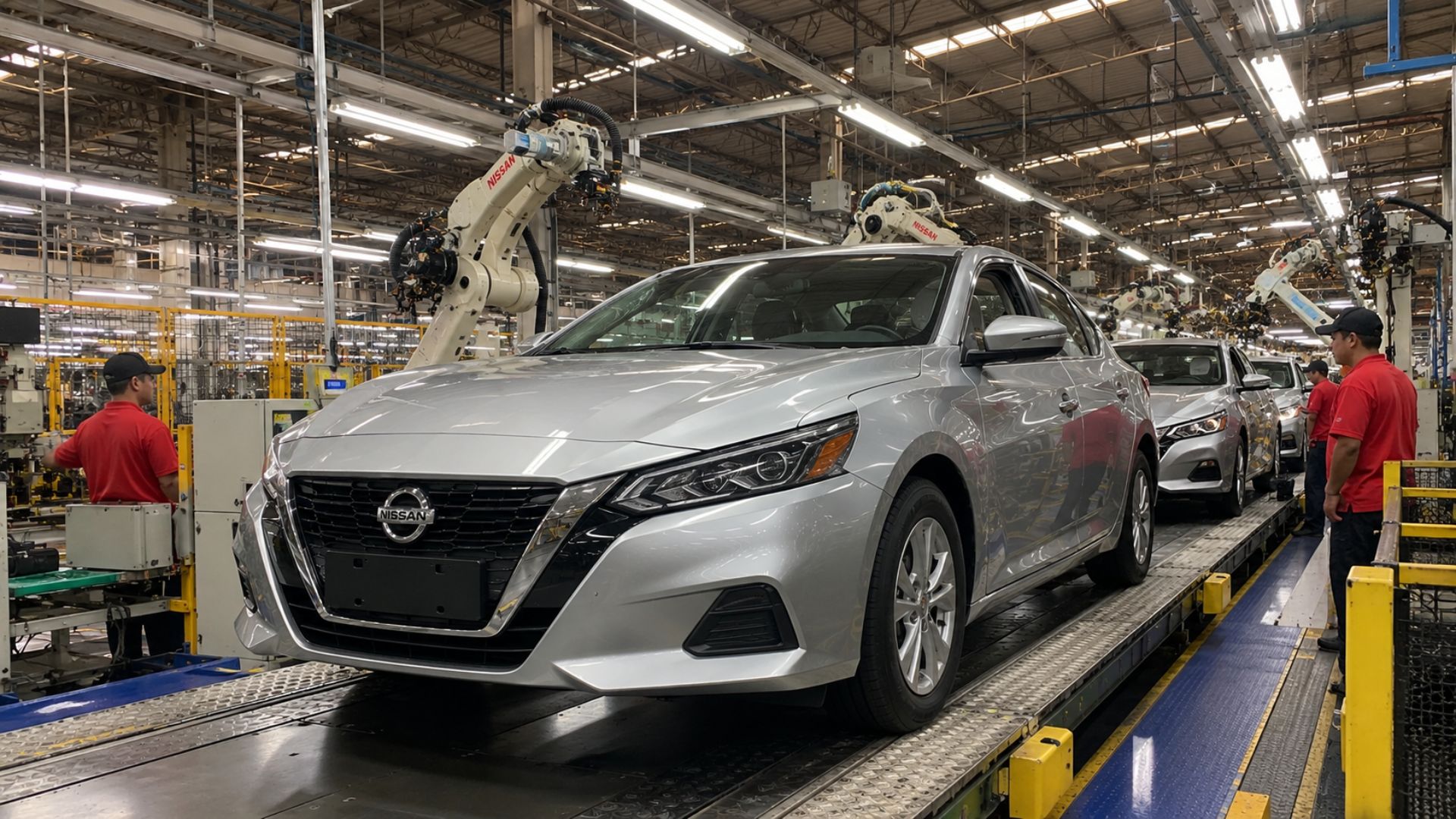



The race for electrification has resulted in overstocked inventories, aggressive price drops, and a true profitability crisis. To avoid further losses, giant brands like BYD and Geely have continuously lowered prices, while smaller companies have begun selling cars below production cost just to survive.
This information was highlighted in a report by Automaistv, with data from Bloomberg, which classified the current scenario as a “perfect storm” created by excessive incentives, technological ambition, and a structural shift in consumption. In other words, what once appeared to be a green revolution now threatens the financial balance of the entire Chinese automotive ecosystem.
The Sales Model Has Changed — and Dealerships Have Been Left Behind
The traditional format known as “4S” (sales, service, parts, and research) is quickly disappearing. The revolution began precisely in China, where Tesla, NIO, and XPeng popularized direct-to-consumer sales, eliminating intermediaries and opening their own stores in shopping malls and urban centers.
This model allows for total control over pricing, after-sales service, and customer experience, reducing costs and expanding brand reach. However, at the same time, it pushes dealerships out of the game, making them collateral victims of the digital transition.
Major Western manufacturers, like Ford, are following the same path. The company is already betting on online platforms and direct marketing campaigns, reducing the need for local resellers. This trend that started in China is spreading across the globe and may soon affect the Brazilian market, where brands like BYD and GWM are beginning to implement similar strategies.
The Chinese Lesson: The Future Is Electric, But the Cost Is High
The wave of closures in China is a global warning sign. Thousands of small business owners and family networks, who have sustained the automotive retail for decades, are disappearing rapidly. The high cost of adapting stores — with charging infrastructure, technical training, and digital systems — has become financially unfeasible for most.
While the world celebrates the rise of electric vehicles, the traditional base of resellers faces an extinction crisis. Experts project that if the trend continues, more than half of the independent dealerships could disappear by the end of the decade.
The electric revolution, therefore, is not just technological — it is economic and social. And what started in China is beginning to reflect in other emerging markets. The inevitable question remains: who will survive the new era of mobility?
Source: with information from Automaistv and market analyses published by Bloomberg.