






 Portuguese
  Spanish


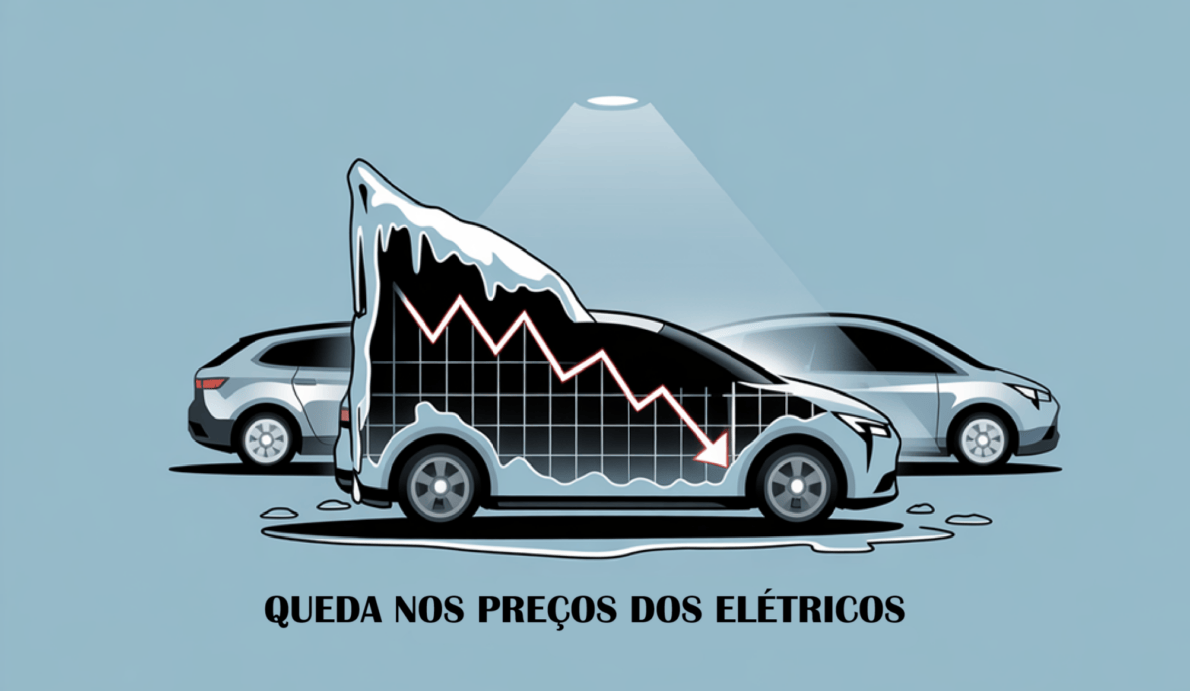


Accelerated Depreciation of Models Like Renault Kwid E-Tech and Peugeot e-2008 Generates Losses for Initial Buyers
The acquisition of a new vehicle, especially electric, has revealed financial traps for Brazilian consumers. Models launched with high prices have been experiencing drastic reductions within a few months, resulting in significant losses for those who purchased in the initial phase of commercialization, according to the website Uol.
Kwid E-Tech Lost Almost Half of Its Value in Three Years
The Renault Kwid E-Tech vehicle, for example, hit the market in August 2022 with a suggested price of R$ 142,990. Currently, it is sold for R$ 99,990. In the used car market, a unit of the 2022/2023 model is valued at around R$ 72,000, representing a depreciation of almost 50% in three years.


Another example is the Renault Megane E-Tech, launched for R$ 279,990, whose price has already been reduced to up to R$ 199,900 in promotional actions. The Peugeot e-2008 went from R$ 259,990 to R$ 159,990 at the end of 2023, which boosted its sales but also impacted its resale value.
-
End of an era in Brazil: beloved sedan by Brazilians is discontinued despite having a 2.0 engine with 151 hp, CVT transmission, 466-liter trunk, and up to 650 km of range.

-
New Law Proposal in Brazil Could Heavily Penalize Drivers: Dangerous Overtaking May Become a Serious Offense with Fines Increased Tenfold and a 12-Month License Suspension; Update on 2026 Progress

-
Electric Revolution: Watts W125 Motorcycle Offers 160 km Range, 90 km/h Speed, and Affordable Price Starting at $3,000
-
General Motors Replaces Over a Thousand Workers with 50 Cobots at Electric Vehicle Plant, UAW Union Criticizes Move Amid Industry’s Automation Push



Pricing Strategy for Electrics Is Subject to Criticism
Experts point out that the problem with electric vehicles lies in the strategy of launching them at excessive prices, often positioning the vehicles in segments higher than they actually occupy. For automotive consultant Milad Kalume Neto, the market has overestimated the added value of some models, resulting in the rapid need for adjustments.
The Jeep Compass 4xe has also faced difficulties. Launched in 2022 for R$ 349,990, it had its price reduced to R$ 243,390 before being removed from the market, after only 836 units sold in the country. The intense competition among plug-in hybrids was cited by the manufacturer as one of the main factors for the low uptake.
Chinese Competition Accelerates Price Adjustments
The growing presence of Chinese automakers with local production and dominance in technology — especially in batteries — has pressured the prices practiced in the national market. With more affordable models and competitive cost-benefit ratios, these brands force traditional rivals to rethink their margins.
The early depreciation of electric vehicles shows that consumers should act with caution when considering newly launched models. The expectation of appreciation or price stability may not hold true in a market still under formation and subject to rapid changes.




Carro nunca foi investimento lucrativo. A desvalorização só deve ajudar a ampliar as vendas e acelerar um processo inevitável de substituição da frota convencional por carros elétricos, tendência mundial.
As montadoras “nacionais” (entre aspas mesmo) estão mal-acostumadas em fazer o cliente de tr0ux@. Quiseram eletrificar suas velharias e acharam que o cliente ia bancar a aventura. Se deram mal. Aí chegaram os chineses com um preço pé no chão para um elétrico e tomaram esse novo mercado para eles. Para mim que viajo a trabalho de carro não serve, mas para quem só roda na cidade é vantagem. Inclusive, quem trabalha no uber, tem carregador e placas solares em casa, está plenamente satisfeito com o resultado.
Já era de se esperar isso, ainda mais quando se diz veículos…
Bom pra quem soube aguardar…