Portuguese
  Spanish



Used Cars Under R$ 30,000 Worth Buying. Even with the Prices of New Cars High, There Are Still Used Cars Under R$ 30,000 That Offer Savings, Reliability, and Low Maintenance.
With budgets increasingly tight, many Brazilians have been looking for used cars under R$ 30,000 as a viable alternative for everyday use. This price range is the reality for those seeking their first vehicle, needing a backup car, or simply not wanting to go into debt for a brand new model.
The good news is that there are still good options in the used market. Models like Toyota Etios, Honda Fit, VW Gol, Fiat Uno, Celta, and Renault Clio stand out for their low fuel consumption, affordable maintenance, and ease of resale.
What Are the Most Reliable Cars Under R$ 30,000?
When it’s time to choose, reliability is the main factor. The Toyota Etios (2013–2015) and the Honda Fit (2009–2011) are the most recommended by experts, as they have proven durability and low maintenance frequency.
-
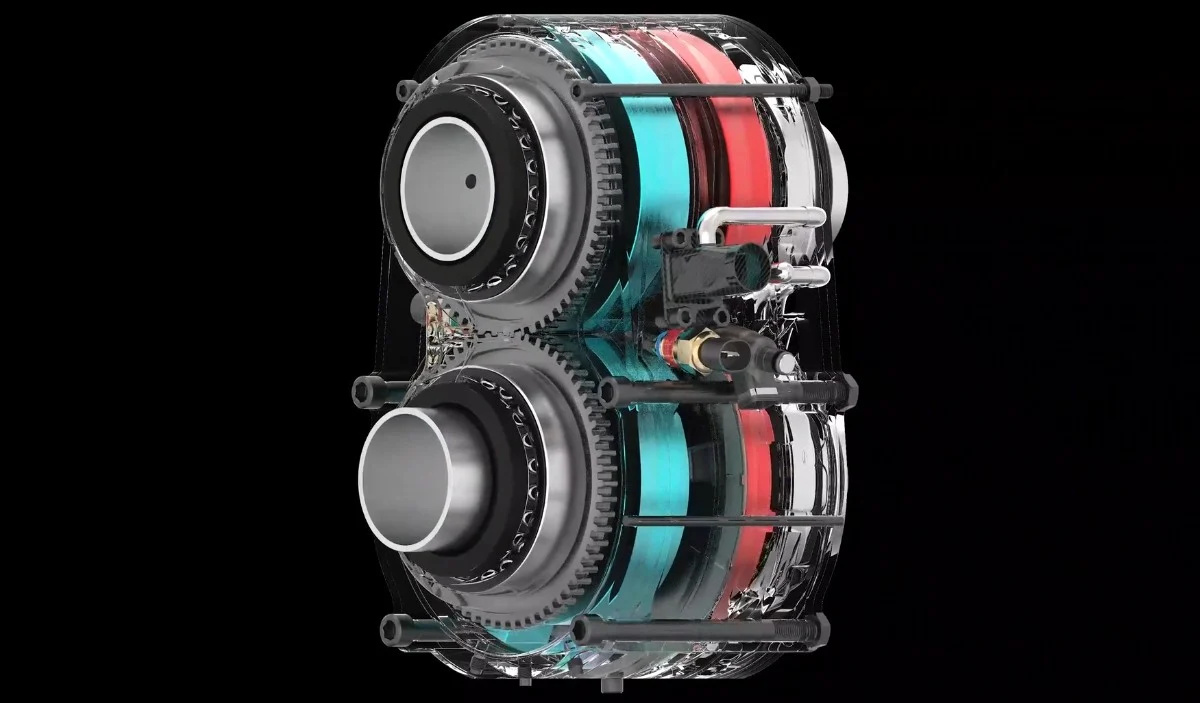
Suitcase-sized hydrogen engine spins at 25,000 rpm, nearly doubling the efficiency of conventional cars and replacing exhaust smoke with water vapor

-
1983 Chevrolet Runs Over 100,000 km Without Gasoline, Powered by Wood Chips, Reaches 125 km/h in Airport Test

-
Workshop Converts Giant Tractor Tire Tricycle into a Three-Wheel Drive Hybrid with 36,000-Watt Electric Motor Capable of Climbing Hills

-
Sales of Brazil’s Cheapest Electric Car Halted Before First Deliveries: E-Motors Suspends Emova Easy Due to Import Tax Increase and Rising Freight Costs




Among the domestic options, Volkswagen Gol (2012–2015) and Fiat Palio (2012–2014) are also good bets. They are sturdy cars, easy to repair, and have a wide network of workshops across Brazil, which ensures cheap maintenance.
Which Models Consume Less Fuel?
In times of expensive gasoline, fuel consumption weighs heavily in the decision. Fiat Uno, Renault Clio, and VW Up! are among the most economical in this price range.
- Fiat Uno 1.0: exceeds 14 km/l in the city and has cheap insurance.
- Renault Clio: practical compact, also with averages above 14 km/l.
- Volkswagen Up!: reaches nearly 15 km/l in the city with a modern 1.0 engine.
These models combine agility, low consumption, and excellent cost-effectiveness for those who drive a lot.
Is It Better to Choose a Popular Car or Sedan Under R$ 30,000?
The choice depends on the usage profile:
- Popular Cars (Celta, Ka, Uno): ideal for the city, with more affordable insurance and maintenance.
- Sedans (Renault Logan, Toyota Corolla 2006–2008): offer more interior space and comfort for the road, but consume a bit more and have higher maintenance costs.
In other words, those seeking savings should prioritize popular cars, while those who value space and travel may prefer a sedan.
Which Have Cheaper Maintenance?
Some cars stand out when it comes to maintenance costs. Celta, Fiat Uno, and Ford Fiesta (2010–2012) are among the cheapest to maintain. They have accessible parts and simple labor, which reduces expenses in the long run.
Although models like Etios and Fit have slightly higher maintenance costs, they compensate with their reliability and lower chance of serious mechanical issues.
Which Depreciate Less at Resale?
In the range of used cars under R$ 30,000, some models hold their value better in the market:
- Toyota Etios: despite being discontinued, it has a reputation for reliability.
- Volkswagen Gol: high liquidity and constant demand.
- Fiat Palio: very popular in the used market, easy to resell.
This means that when reselling, the loss of value will be lower, which helps reduce the total cost of ownership.
Even in 2025, used cars under R$ 30,000 continue to be a viable solution for those seeking savings and reliability. Models like Etios, Uno, Gol, and Clio are ideal for those who drive a lot, while sedans like Corolla and Logan can be good choices for those prioritizing space and comfort.
And you, would you buy a used car under R$ 30,000 today? Do you prefer to bet on more economical popular models or invest in a sedan with more space? Leave your opinion in the comments — we want to know what your choice would be.