Portuguese
  Spanish


Vice President of XPeng Stated That Brazil Is an Interesting Market and Can Be a Destination for the Company’s Service Expansion
The Chinese electric vehicle manufacturer XPeng, which is also testing flying cars, is eyeing Latin America. In a recent interview, Brian Gu, the company’s vice president, revealed that an evaluation is underway for expansion in the region, with special focus on Brazil and Mexico. Though there is no official announcement yet, the movement has been closely monitored by the automotive sector.
With a strong presence in 30 countries, XPeng is already operating in China, the United States, as well as parts of Asia and the Middle East. Entering new markets is seen as a strategic response to political and trade changes in the company’s traditional markets.
Brazil Sparks Interest from XPeng
Brazil attracts attention due to its territorial dimensions and the size of its market. The combination of factors such as a large population, growing demand for electric mobility, and logistical challenges makes the country a relevant candidate for expansion. Still, the company avoids confirming any concrete plans at the moment.
-
Thinking of Installing LED Headlights? Why Replacing Halogen Bulbs is Still Banned, the Glare Risks Authorities Worry About, and How a New Proposal Could Allow Certified, Safe Installations

-
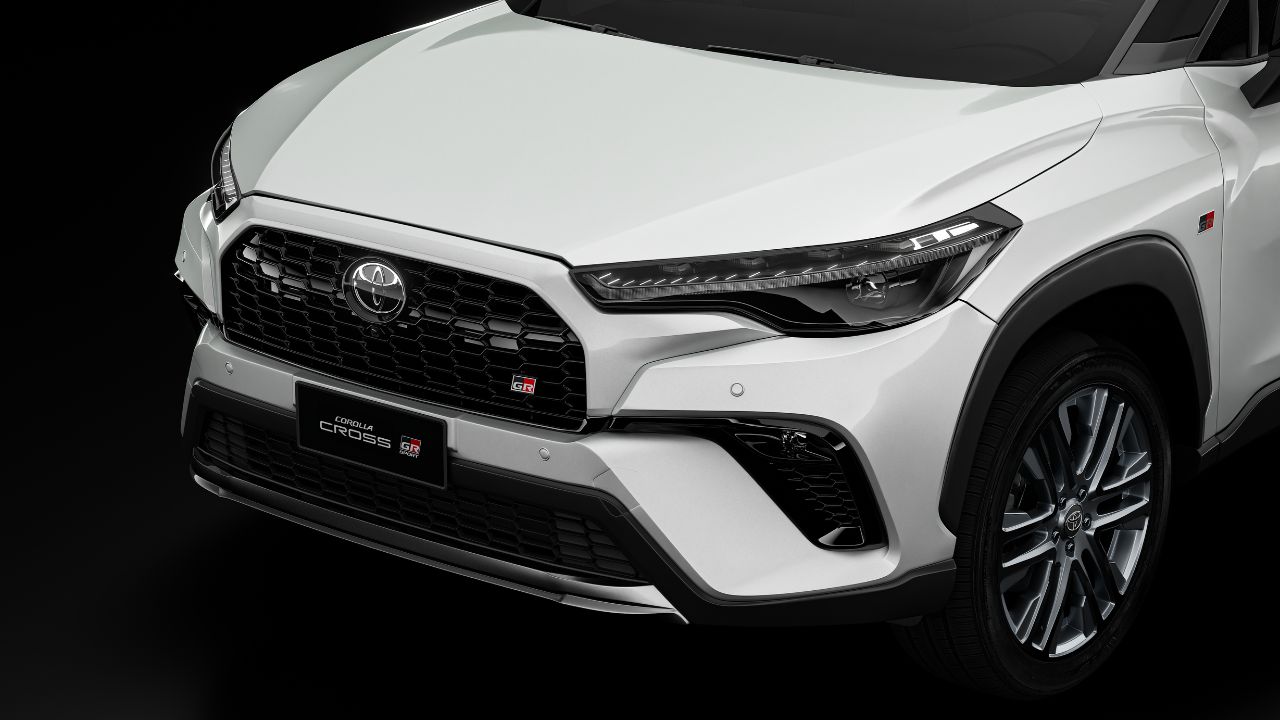
2027 Toyota Corolla Cross Unveiled: New Design, Enhanced Fuel Efficiency, Reduced Maintenance Costs, Advanced Technology, Connected Services, and Up to 10-Year Warranty

-
Fiat Cronos Precision 2018: Affordable Sedan with Spacious Trunk and Reliable Maintenance
-
Volkswagen to Cut Production by 1 Million Cars by 2030, Reducing Jobs and Platforms, Focusing on More Profitable Models




XPeng sees Latin America as a promising field for diversifying its operations. The possible entry into the continent happens in the context of high trade tariffs in other regions, boosting interest in alternatives.
Electric Vehicles with Embedded Technology
Founded in 2014, XPeng gained prominence in the electric car sector due to its strong focus on technology and connectivity. The comparison to Tesla is common, especially due to the artificial intelligence present in its vehicles.
XPeng cars go beyond electric propulsion. They feature capabilities such as driver assistance, voice commands, and advanced automation systems. This approach aims to provide a more integrated experience between driver, vehicle, and environment.
The current portfolio includes SUVs like G3i, G6, and G9, sedans like P5 and P7, as well as the minivan X9. The P5 model stands out for combining technology and affordable pricing, attracting a broader audience.
Flying Cars Are Part of the Plans
XPeng is also investing in aerial mobility. Through its subsidiary XPeng AeroHT, the company is developing flying vehicles focused on urban transport. One of the most ambitious projects is the Land Aircraft Carrier, a mix of pickup truck and drone, expected to launch in 2026.
Another model that draws attention is the Voyager X2. With a design similar to a two-person drone, it has successfully completed flight tests in China. These advancements show that XPeng is not limited to innovation on the ground.
Aerial mobility remains far from reality in Brazil. The company has not announced any plans to bring its flying vehicles here. However, ongoing research in this sector demonstrates XPeng’s interest in expanding its transport solutions.
Future in Latin America Under Construction
Despite the lack of specific details, XPeng shows willingness to explore Latin America. The move is seen as a way to reduce dependence on traditional markets and increase the brand’s global presence.
The potential arrival of XPeng in Brazil could impact the local electric vehicle market. Offering more technological and affordable models could stimulate competition and accelerate the adoption of electric cars in the country.
The presence of a manufacturer focused on artificial intelligence could also transform how Brazilian consumers perceive mobility. Today, a significant part of the market is still dominated by conventional models.
Flying Car Prototypes Already Under Testing
XPeng’s projects in the aerial sector are not merely conceptual. The company has already presented functional prototypes through XPeng AeroHT, formerly known as HT Aero. The X2, for example, is a type of eVTOL, which stands for electric vertical takeoff and landing vehicle.
This type of flying car aims to serve urban areas, providing fast transportation and helping to bypass traffic congestion. The tests conducted show that the company is close to bringing these products to market in a few years.
Another concept, more geared towards practical use, involves a car with retractable propellers. In 2023, XPeng revealed that this model is expected to be closer to production between 2024 and 2025. The idea is that it can be used both as a regular vehicle and as a light aircraft.
Regulation of Flying Cars Remains a Challenge
Despite technological advances, XPeng’s flying cars still face obstacles. The main one is regulation. Local authorities need to approve specific rules for the circulation and safety of these vehicles.
For now, the expectation is that commercialization will first happen in markets more open to aerial mobility regulation. Brazil, while cited as a possible destination for the brand, has no forecast for this type of launch.
What is already known is that XPeng continues to develop new mobility solutions, whether on the ground or in the air. This reinforces its image as an innovative brand and could position it strategically in the coming years.
With information from Correio Braziliense.