Portuguese
  Spanish




USA Expands Cooperation With Brazil on Green Hydrogen to Counter China and Europe. Billion-Dollar Dispute Defines Who Will Dominate the Global Energy Transition.
In 2025, green hydrogen ceased to be merely a technological promise and began to be treated as a geopolitical asset. Countries that lead its production and export will not only gain economic advantages but also strategic influence in the global energy transition. In this game, Brazil emerges as a key player, and the United States is racing to strengthen ties and prevent China and Europe from advancing alone on Brazilian potential.
The White House views Brazil as the ideal partner: a country with a renewable energy matrix of over 80%, abundant sun and wind in the Northeast, strategic ports like Pecém (CE) and Suape (PE), and projects already evaluated at over US$ 30 billion by 2030. The risk for Americans is clear: if they do not establish immediate cooperation, they run the danger of seeing Europeans and Chinese dominate contracts, technology, and exports from Brazilian territory.
The Appetite of Europe and China
The European Union has already announced billion-dollar subsidy packages to secure green hydrogen imports by 2030. Germany, for example, has signed memorandums with northeastern Brazilian states, reserving areas in ports and financing logistical infrastructure.
-
Brazilian scientists are simultaneously advancing two research projects on clean hydrogen and driving solutions that could transform the energy matrix, enhance industrial competitiveness, and accelerate large-scale emission reduction targets.

-
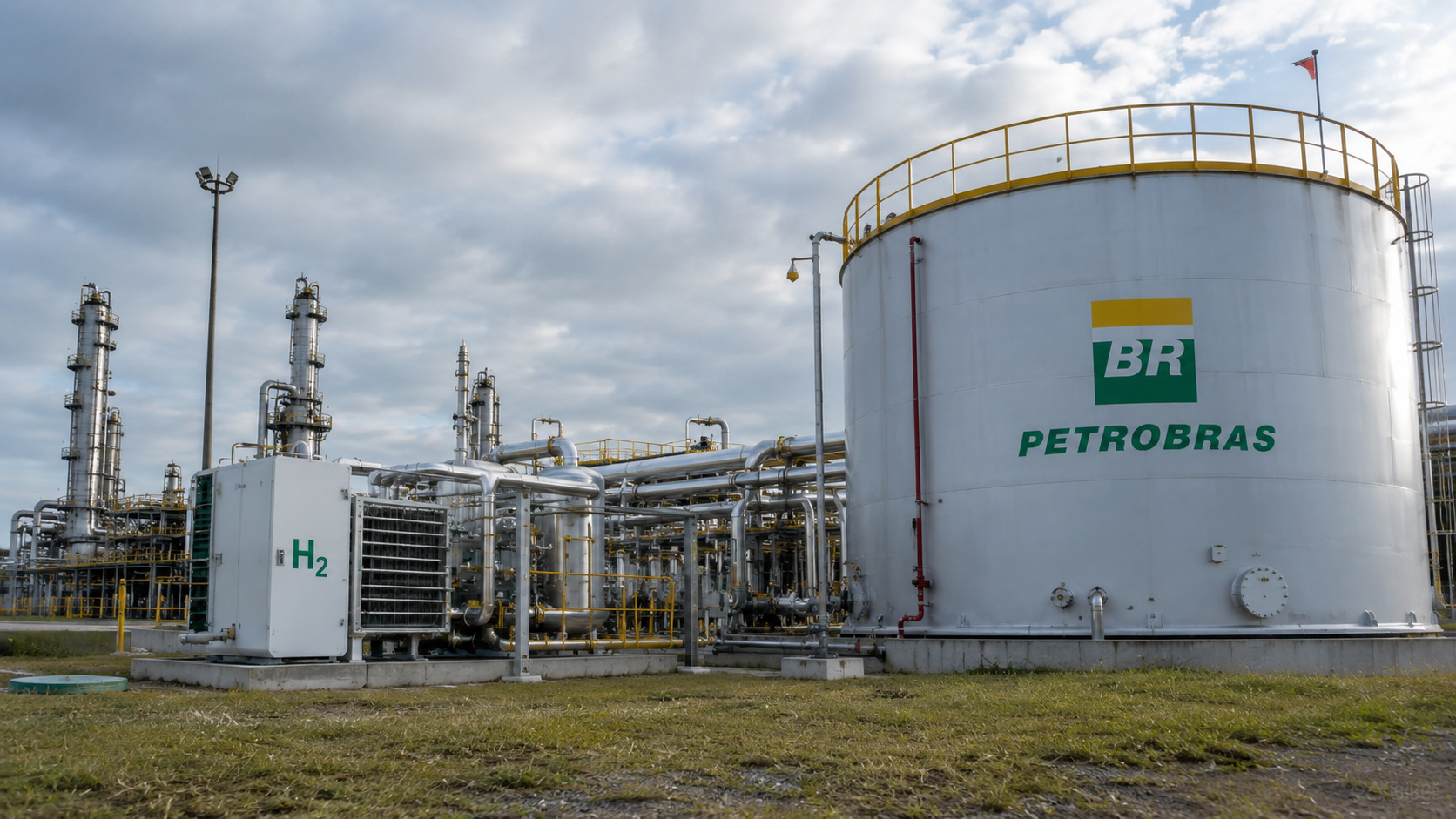
Advancement in renewable energy: A R$ 150 million project launched by Petrobras and Finep aims to create state-of-the-art electrolyzers for green hydrogen, strengthening national research and preparing Brazil to compete in a billion-dollar energy market.
-
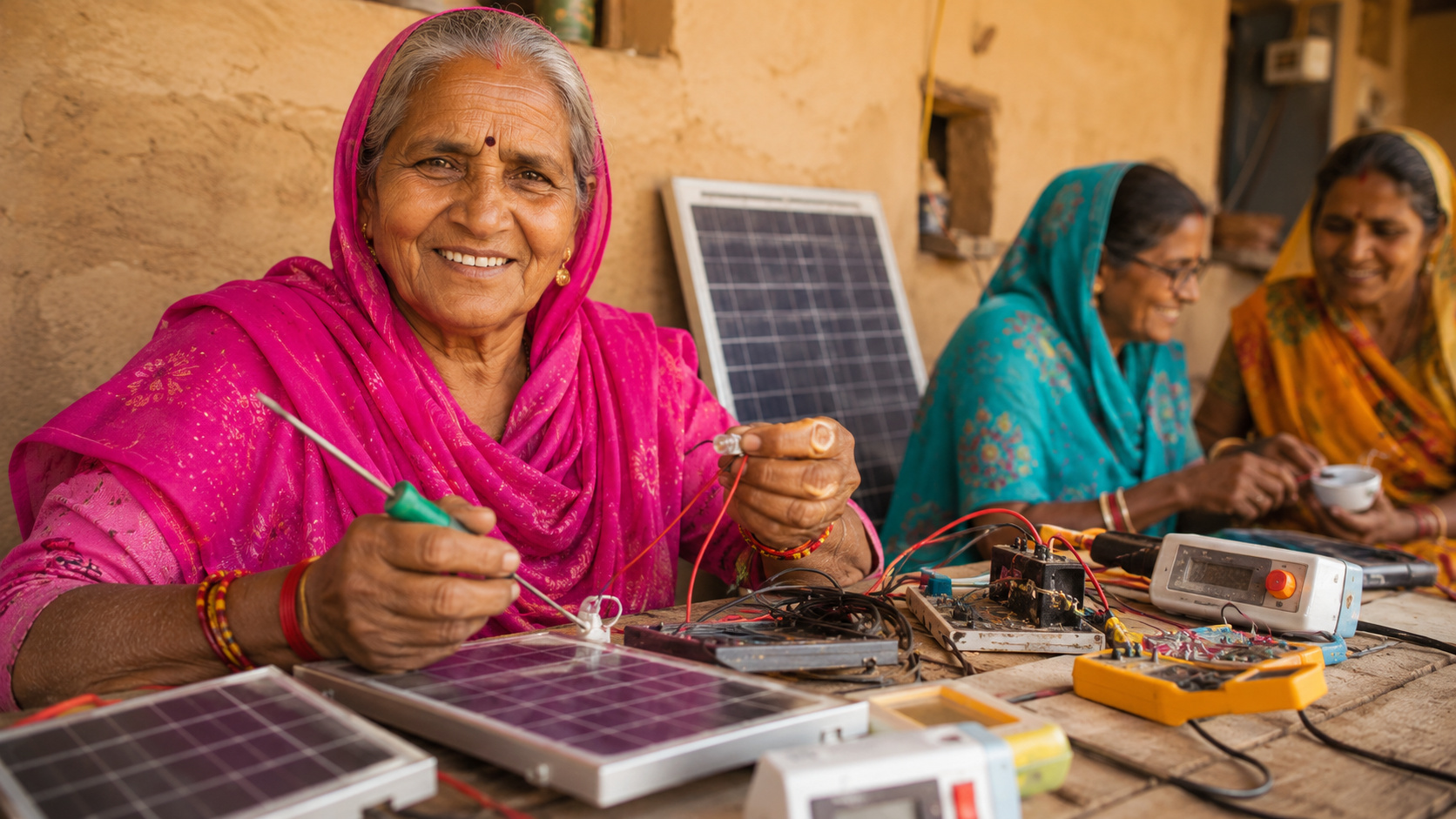
Illiterate or semi-literate grandmothers were trained to repair solar systems, open rural workshops, and light up homes that still depended on kerosene.
-
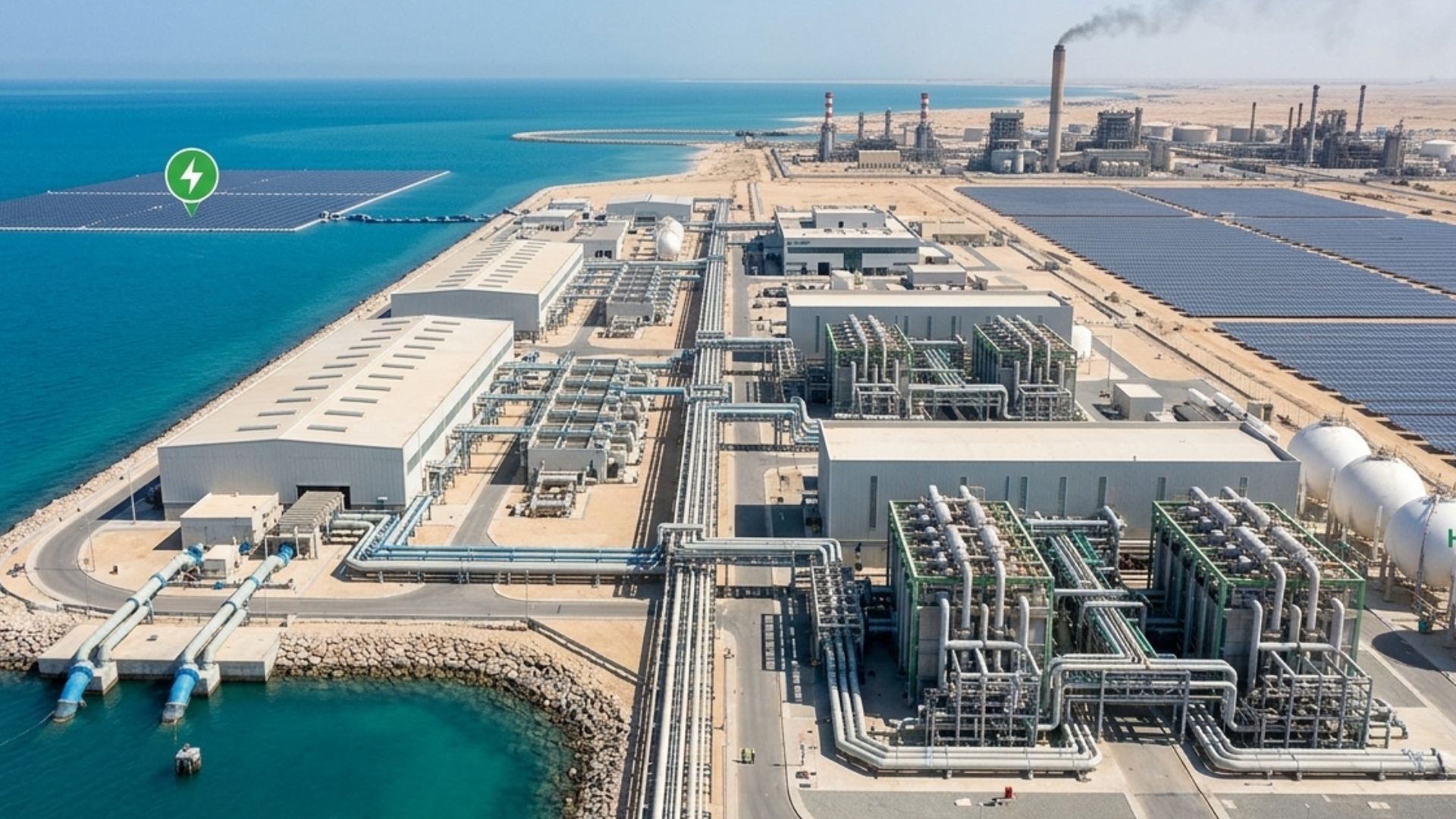
The world has bet on green hydrogen as the fuel of the future, but now faces the side effect: producing 1 kilogram requires about 9 liters of ultrapure water, and the largest projects on the planet are precisely in the driest regions of the Earth, where water is already scarce for people.


China, on the other hand, operates with a different strategy: it provides large-scale electrolyzers, finances solar and wind plants, and injects capital into partnerships with Brazilian companies. The goal is simple: to secure cheap hydrogen molecules and transform them into high-value-added products in its steel, chemical, and transportation industries.
Meanwhile, the USA realized they were falling behind. But starting in 2024 and 2025, the White House began to act.
The American Response: Agreements and Billions at Stake
In recent months, American diplomatic and business missions have landed in Brasília, Fortaleza, and Recife to discuss joint projects. The U.S. Department of Energy announced plans for cooperation in research, funding pilot projects, and technology transfer for green hydrogen in Brazil.
The idea is to support not only the production of molecules for export but also the creation of local industrial hubs that can use hydrogen as a vector to develop high-value production chains. This includes:
- Green Steelmaking in the Northeast, producing steel with hydrogen instead of coal.
- Chemical Industry based on green ammonia and sustainable fertilizers.
- Heavy Transport (buses, trucks, and even regional aviation) powered by hydrogen cells.
By investing in these fronts, the USA attempts to counter the European strategy, which is more focused on importation, and the Chinese strategy, centered on exporting equipment.
Brazil at the Center of the Dispute
Brazil finds itself, perhaps for the first time in decades, in a rare position: not as a dependent on external agreements, but as a country courted by various powers at the same time. The central question is how to turn this courtship into real advantages for the national economy.
If it relies solely on external pressures, there is a risk that Brazil will become a cheap provider of molecules, exporting energy in raw form and leaving industrialization to occur outside its borders. But with planning, the country can negotiate counterbalances, such as establishing local industries, technological training, and investments in infrastructure.
A Trillion-Dollar Market by 2050
The International Energy Agency (IEA) estimates that the global green hydrogen market could exceed US$ 500 billion annually by 2050. Brazil’s share could reach tens of billions if projects advance.
Today, there are already more than 20 memorandums of understanding signed with multinationals, mainly distributed in Ceará, Rio Grande do Norte, Bahia, and Pernambuco. However, to date, no large-scale project has entered commercial operation. Everything depends on financing, regulatory definitions, and clarity on incentives.
It is at this point that the USA sees the opportunity: by offering credit, technology, and strategic agreements, they want to ensure that, when the projects come to fruition, the American flag is present.
What is at Stake for Brazil
The global competition for green hydrogen presents a unique opportunity for Brazil to shift its status in the world economy. But it also carries traps. Three pathways lie ahead:
Raw Supplier: Brazil exports hydrogen and ammonia in basic form, repeating the historical error of iron ore.
Industrial Platform: the country leverages external investments to create green industrial hubs in the Northeast, adding value.
Strategic Protagonist: Brazil negotiates agreements that ensure access to global markets but with its own technological and industrial independence.
If it chooses the second or third path, it could become one of the biggest winners of the energy transition.
The U.S. approach in 2025 reveals a clear geopolitical game: no power wants to miss out on Brazilian potential in green hydrogen. While Europe finances ports and China installs electrolyzers, Washington bets on strategic cooperation to avoid losing ground.
The challenge for Brazil is to negotiate intelligently. The country can choose to be a cheap provider of clean energy or use this dispute to demand local investments, job creation, and technology transfer.
If Brazil plays its cards right, it can turn green hydrogen not just into an export product but into a driver of a new clean industrial revolution in the northeastern hinterland.