






 Portuguese
  Spanish


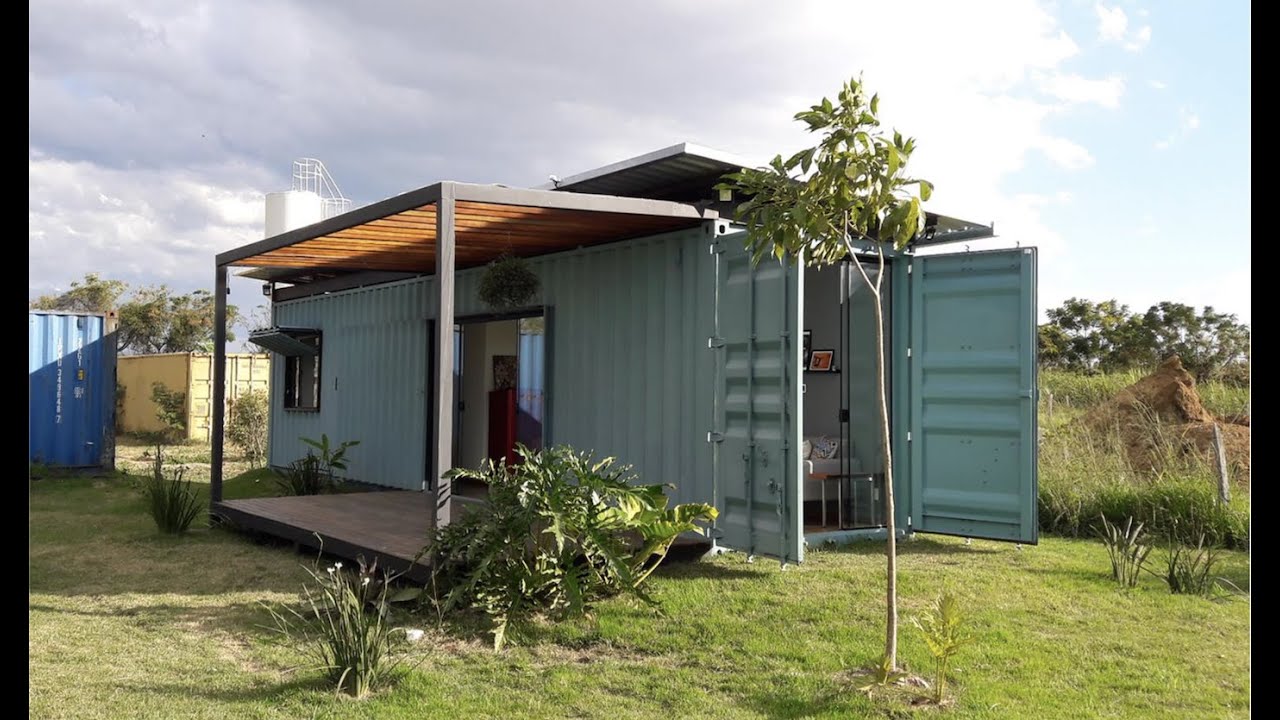


How Brazilians Are Swapping Expensive Apartments and High Bills for Self-Sufficient Living by Choosing Container Homes.
While most Brazilians commit 30% of their salary to rent and see their electricity bill rise every month, a silent movement has been gaining momentum across the country: people are abandoning conventional living to build their own self-sufficient container homes for a fraction of the cost of a traditional apartment. And the results are impressive. Across Brazil, similar stories unfold: couples who paid R$ 1,500 in rent for 45m² apartments, plus R$ 280 in electricity bills, have made radical decisions.
They bought land in metropolitan areas and built their own container homes equipped with solar panels. The total investment? Between R$ 50,000 and R$ 80,000. The result? Electricity bills that dropped to just R$ 30 per month (just the minimum fee from the distributor), representing a 90% savings.
The Container Home Boom in Brazil
This architectural alternative is revolutionizing the concept of housing in the country. In Brazil, the cost to build a container home varies from R$ 1,500 to R$ 3,000 per m², with simple projects starting at R$ 65,000 for 30m².
-
U.S. City Builds Tiny Home Village on Water Company Land to House 136 Homeless People: Inside the Social Housing Units

-
Woman Turns Shipping Container into Home, Embraces Rural Life to Cut Monthly Expenses to Just Over $330
-
France Revamps 530 Social Housing Units with Large Balconies and Glass Facades Without Demolishing Existing Buildings

-
Facing high rent, couple transforms parents’ garage into a fully functional apartment, creating a complete home at a fraction of the market cost.




A small, basic container home of 20 feet can cost between R$ 50,000 and R$ 90,000, an amount equivalent to just 2-3 years of rent in large cities.
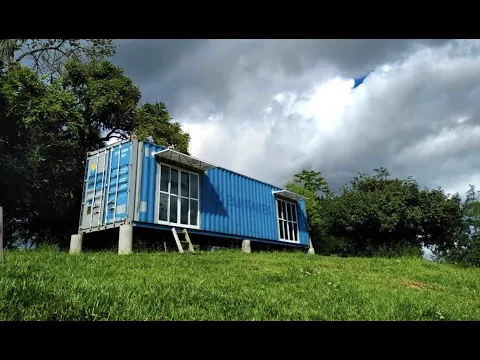

Container homes tend to be more affordable than traditional residential properties, with shorter construction times, which reduces labor costs.
For those seeking maximum savings, there are intelligent strategies. Building a 30 m² home with a used container can cost just R$ 25,000, less than a popular car.
This has been the strategy of several Brazilians who have documented their journeys on blogs like ArchDaily Brazil, Casa Vogue, and on YouTube channels dedicated to sustainable living.
The Solar Energy Revolution: From Villain to Wallet Ally
But the real game-changer for those seeking financial autonomy is the combination of container homes with solar energy. After the installation of solar panels, savings on electricity bills can reach 95%, leaving only the minimum fee from the distributor.
On average, a system with a generation capacity of 280 kW to 300 kW varies between R$ 25,000 and R$ 30,000. For smaller homes, with monthly expenses of up to R$ 300 on electricity, installation costs range from R$ 10,000 to R$ 14,000.
And the best part: with the savings generated, the solar energy system pays for itself in three to five years, after which the owner enjoys decades of almost free electricity.
How the Self-Sufficient Container Home Works
The combination of container and solar energy is not just an aesthetic trend — it’s a functional solution that addresses two of the biggest problems of urban housing: initial cost and monthly expenses.
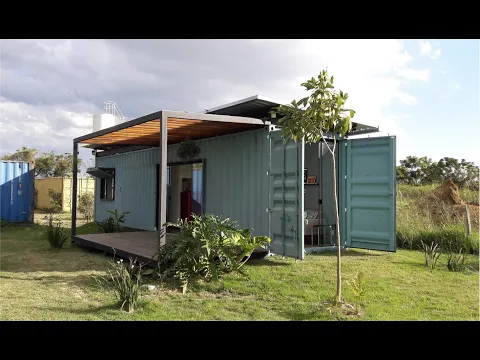
The Container Structure: There are two main models of shipping containers that can be
used in construction: 20 feet (5.9m long, 2.3m wide, 2.4m high) costing between R$ 5,000 and R$ 6,000, and 40 feet (12m long) costing between R$ 6,000 and R$ 7,000. The container is not simply ‘placed on the land’.
The container undergoes a revitalization process, cuts and welding are made, thermal and acoustic insulation is applied, and all necessary finishing work is executed.
To ensure comfort, the thermal and acoustic insulation of the container costs an average of R$ 2,000 per unit. Some opt for reefer containers, which already come with factory insulation.
The Solar System: Solar energy in containers can reduce electricity bills by up to 90%. The system works simply: solar panels on the roof capture sunlight during the day and convert it into electricity through an inverter.
If energy production exceeds consumption, the surplus goes to the distributor’s network and generates energy credits on the electricity bill, which can be used to offset future bills.
Step by Step: How to Build Your Container Home
Inspired by success stories documented on blogs like ArchDaily Brazil, Casa Vogue, and YouTube channels specializing in sustainable living, more and more Brazilians are embarking on this journey. Here’s how to do it:
Choosing and Preparing the Land: The lot must have at least the size of the container plus the legally required distances from neighbors, setbacks, and permeable areas. Flatter lands facilitate and reduce construction costs. Before building a container home, the land needs to be prepared with a foundation with footings, a service that costs on average R$ 2,000 to R$ 3,000.
Acquisition of Containers: The decision between new or used containers can save thousands. A used structure of about 30m² costs on average R$ 25,000, while a new one is not less than R$ 31,000. Those wishing to save with used containers should investigate the history to ensure that its previous use was not for transporting toxic substances.
Transportation and Installation: The transportation cost of the containers varies according to the distance, averaging R$ 4 per km, not including tolls. The necessary transportation requires a trailer and a crane truck.
Adaptations and Finishes: Custom projects require cutting, welding, and significant reinforcement. The installation of plumbing and electrical systems, as well as proper insulation, is crucial to making a container habitable.
Installation of the Solar System: Despite solar panels having a high installation cost, the investment yields returns in a few years. With electricity bills increasing each year, the estimate is that the money is recovered in up to 8 years.
Comparison: Container vs. Traditional Masonry
Many wonder if it’s really worth it. Let’s look at the numbers:
Traditional House (Masonry):
- Apartment 50m²: R$ 250,000 to R$ 400,000 (30-year financing)
- Average installment: R$ 1,800 to R$ 2,500/month
- Electricity bill: R$ 250 to R$ 400/month
- Total cost over 30 years: R$ 828,000 + interest
Container home with solar energy: - Container home 50m²: R$ 75,000 to R$ 100,000
- Solar energy system: R$ 15,000 to R$ 25,000
- Total investment: R$ 90,000 to R$ 125,000
- Electricity bill: R$ 30/month (just the minimum fee)
- Total savings over 30 years: More than R$ 600,000
When we compare building with containers to building a conventional masonry house,
the container home costs between 20% and 25% less.








Só esqueceu de comentar sobre o gasto com a documentação.E,sim tudo tem imposto aqui nesse paizinho,mas se a moda dessas casas pegar haverá imposto bem alto, diferente de outros países.Tem.o.custo.com engenheiro que não foi comentado na matéria.Odeia boa,mas não um milagre…
E o terreno pra colocar esse container? Isso precisa ser levado em conta nessa equação…
Não deixa o PT saber, senão vão criar imposto sobre container
Caso nao saiba todo produto importado ou industrializado é taxado. Mas, quando ha reciclagem ha menos taxação. É só voce fazer uma pesquisa que vera que isso acontece em todo mundo. Foi uma alternativa para carência de moradias e os milhões de containers em pátios de portos e ou depósitos. Na cidade do RJ tem uma fábrica. E a grande maioria tornam se escritórios e ou banheiros. Ha filmes estrangeiros que mostram esse tipo de fabricação e montagem. Mas engana se aqueles que acham que é só deixar a casa no terreno. Tem que providenciar toda base de sustentação e as redes hidráulicas e elétricas, bem como qualquer outra que se faça necessário.
Sobre o PT criar imposto, o imposto sobre energia limpa foi criado por Temmer, e sancionado por Bolsonaro .😴😴😴