






 Portuguese
  Spanish


In The Former Soviet Union, A Military Base Holds History With Abandoned Houses, Ships, And Airplanes From The Cold War Era
Amidst the remote and desolate landscapes of the Arctic, remnants of an era marked by global tension still endure over time. An abandoned military base of the former Soviet Union, where old airplanes, ships, and even residential buildings were left behind, holds silent stories and witnesses the height of the Cold War.
These sites, now overtaken by nature and the wear of time, offer a fascinating glimpse into a time when the world was on the brink of confrontation between superpowers.
The Arctic Ocean is a vast expanse of 14 million square kilometers, a mix of water and ice that stretches along the Arctic Circle. To give an idea of its immensity, this area is more than three times the size of the European Union.
-
How to Prevent Brown Recluse Spider Bites: Common Hiding Spots and Free Tips to Reduce Risks

-
Natto: The Unusual Japanese Superfood Gaining Popularity on Social Media and Driving Record Exports
-
Brazilian Mayor Goes Undercover as Homeless for 24 Hours to Assess Public Services

-
15-Year-Old Entrepreneur Malu Lira Publishes 20 Children’s Books on Financial Education, Earns $500,000, and Expands Her Project to the Amazon Rainforest



Its waters wash over 72,420 km of coastline in countries like Russia, Finland, Norway, Greenland, Iceland, Canada, and the United States, all facing the challenges and mysteries of the Arctic.
History And Military Strategy Of The Soviet Union During The Cold War
One of the most notable and isolated locations in the Arctic is Tiksi, a port city in Russia, established in 1933 under Stalin’s government as part of an ambitious project: the Northern Sea Route.
This route aimed to strategically connect Europe and Asia, avoiding the actions of German submarines during World War II. Tiksi, during the Cold War, became even more important with the establishment of air bases and served as a strategic point for the Soviet Air Force.
At the height of its occupancy, in 1989, Tiksi had more than 11,000 inhabitants. However, from the 1990s, after the closure of military bases, the city underwent a massive exodus with the end of the Soviet Union and the Cold War.
Today, much of Tiksi shows signs of abandonment, with deteriorating buildings and a declining population. Harsh climatic conditions and geographical isolation make life in Tiksi quite challenging.
Despite this, the city still houses some scientific and military facilities that monitor the Arctic, and there are efforts to preserve what remains of its infrastructure. Tiksi represents an example of the challenges that remote communities face in inhospitable regions, especially after significant economic and political changes.
Abandonment And Extreme Cold: The Current Reality Of Tiksi
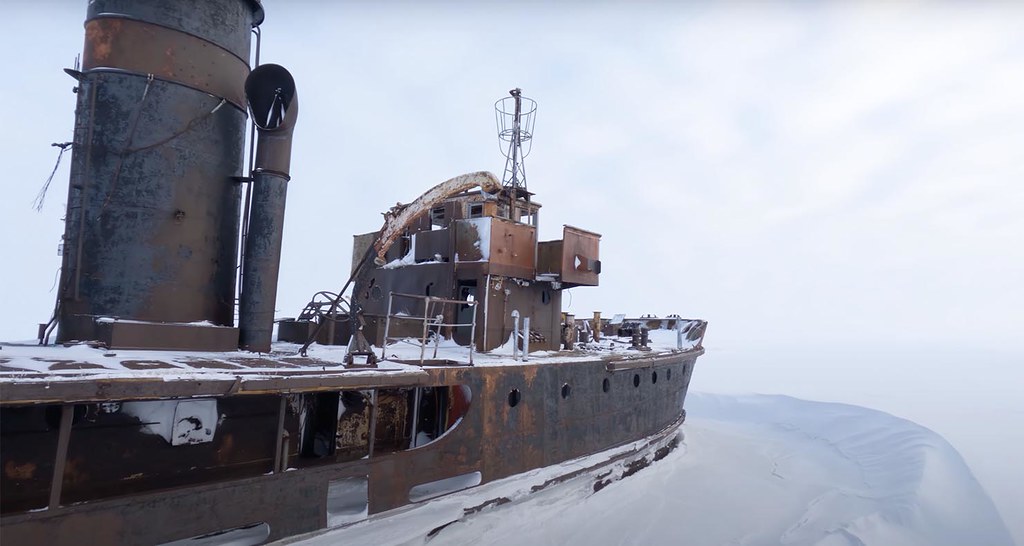
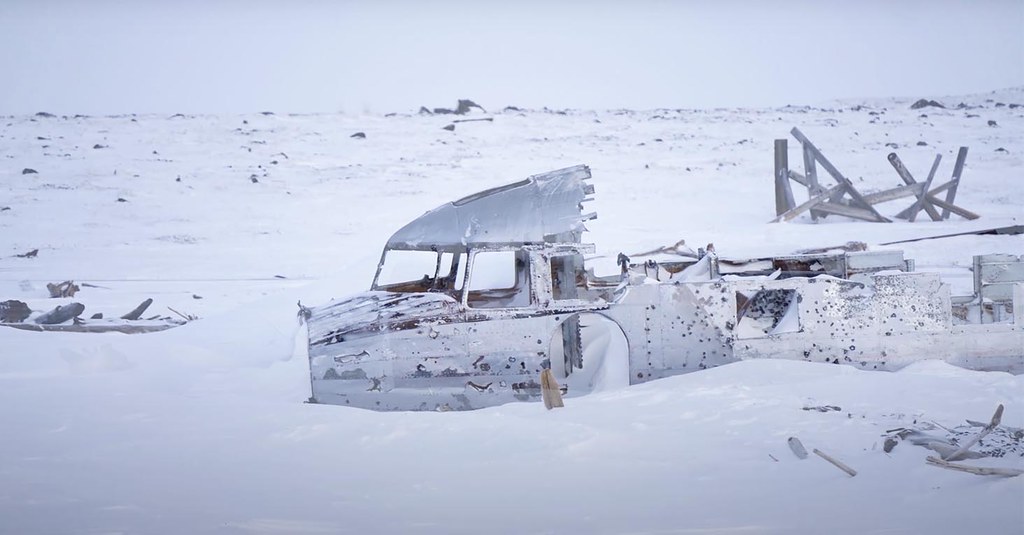
Recently, the Ninurta channel published a video showing scenes from Tiksi – abandoned boats, airplanes, and houses – revealing the landscape of a “frozen desert” where time seems to have stopped.
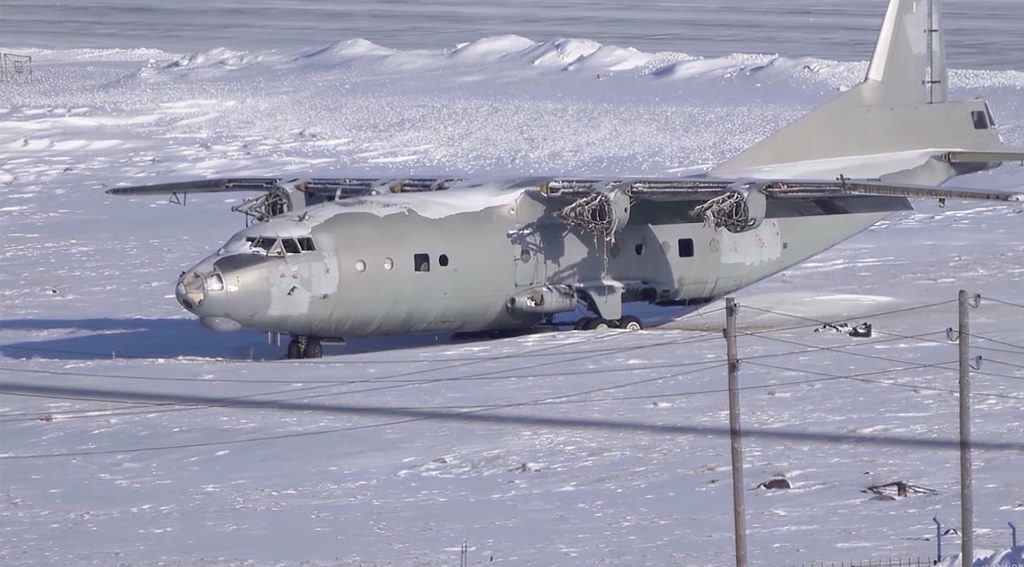
The images showcase the desolate cold that has taken over old transports and everyday objects, such as the Douglas DC-3 (or its Soviet version, Lisunov Li-2) left abandoned, frozen in Arctic ice, and the Antonov An-12, a military transport without engines, with paintwork reminiscent of its history in the skies of Russia.
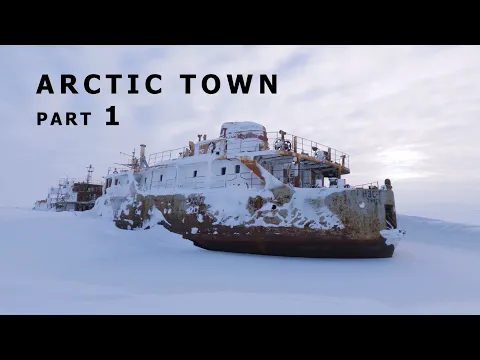

It is impressive to see how the harsh climate shapes life in places like Tiksi. In an abandoned apartment, a crib and a frozen baby chair serve as a sad reminder of a daily life that was once full of life.
In such cities, any discovery, like a window left open in winter, can result in severe consequences.
Tiksi is a fascinating example of human resilience and the challenges faced in Arctic regions. Its ruins and frozen landscape evoke a sense of mystery, but also respect for the past, for the stories, and for the people who face and continue to face the difficulties of this extreme environment.
The Challenges Of Extreme Cold
Maintaining military bases in remote locations like Tiksi involves enormous logistical and economic challenges. In regions with harsh winter conditions and temperatures that can drop below -40°C, transporting supplies and equipment becomes a complex and costly task.
Roads are often impassable for much of the year, forcing reliance on aircraft or vessels that face adverse conditions. This geographical isolation makes access to essential materials, such as fuel and food, difficult, requiring sophisticated logistical planning and long-term stockpiles to ensure the safety and continued operation of the base.
In addition to transportation difficulties, the extreme weather itself is an obstacle to maintaining infrastructure and operating equipment. Buildings and heating systems require constant maintenance to prevent damage caused by snow and ice.
The durability of materials is often compromised by freezing, and any structural problems are more difficult to repair in such isolated locations. Additionally, military personnel assigned to these bases face intense physical and psychological challenges due to the extreme cold, prolonged darkness during winter, and isolation, necessitating specific mental health and wellness programs to maintain team morale and health.
Finally, the high costs of operation and maintenance in places like Tiksi can limit resources available for other military and governmental priorities.
Although these outposts are strategic, particularly with the increasing interest in the Arctic, the challenging conditions require robust investments in climate-adapted technology and infrastructure, as well as significant incentives for military personnel to accept assignments in such inhospitable areas.
Thus, the military presence in locations like Tiksi represents not only a matter of sovereignty but also a significant logistical and financial commitment for governments that choose to maintain these operational bases.








Por sorte os **** sempre tiveram por filosofia a revolução no seu país, não investiram na globalização dessa malfadada forma de governo, pois se assim fosse haveria uma grande chance de o mundo ter diversas Venezuela e Cuba mundo afora.