





 Portuguese
  English
  Spanish
 5 min of reading
  1 comment




Lack of Infrastructure and Low Demand Lead Ceará to Lose Enough Energy to Supply 16 Million Homes. The Phenomenon of Curtailed Energy Exposes Bottlenecks in Renewable Energy and Threatens Billion-Dollar Investments in the Sector.
The increasing generation of renewable energy in Ceará, especially solar and wind, faces a growing barrier: curtailment. The phenomenon, which forces plants to reduce production due to lack of infrastructure to transport the generated energy, has already resulted in the loss of almost 3.3 million megawatt-hours (MWh) between October 2021 and September 2025, according to a survey by ePowerBay reported this Wednesday, 08.
For comparison, this volume would be sufficient to supply 16.5 million homes for a month, considering an average consumption of 200 kWh per home. This alarming data places Ceará in the fourth national position in accumulated energy losses, behind only Rio Grande do Norte, Bahia, and Minas Gerais.
Curtailed Energy: When Clean Energy is Wasted
Curtailed energy occurs when the electrical system cannot absorb all the energy produced, either due to lack of transmission lines or low demand. Thus, renewable plants are forced to reduce generation, even with the wind blowing and the sun shining brightly.
-
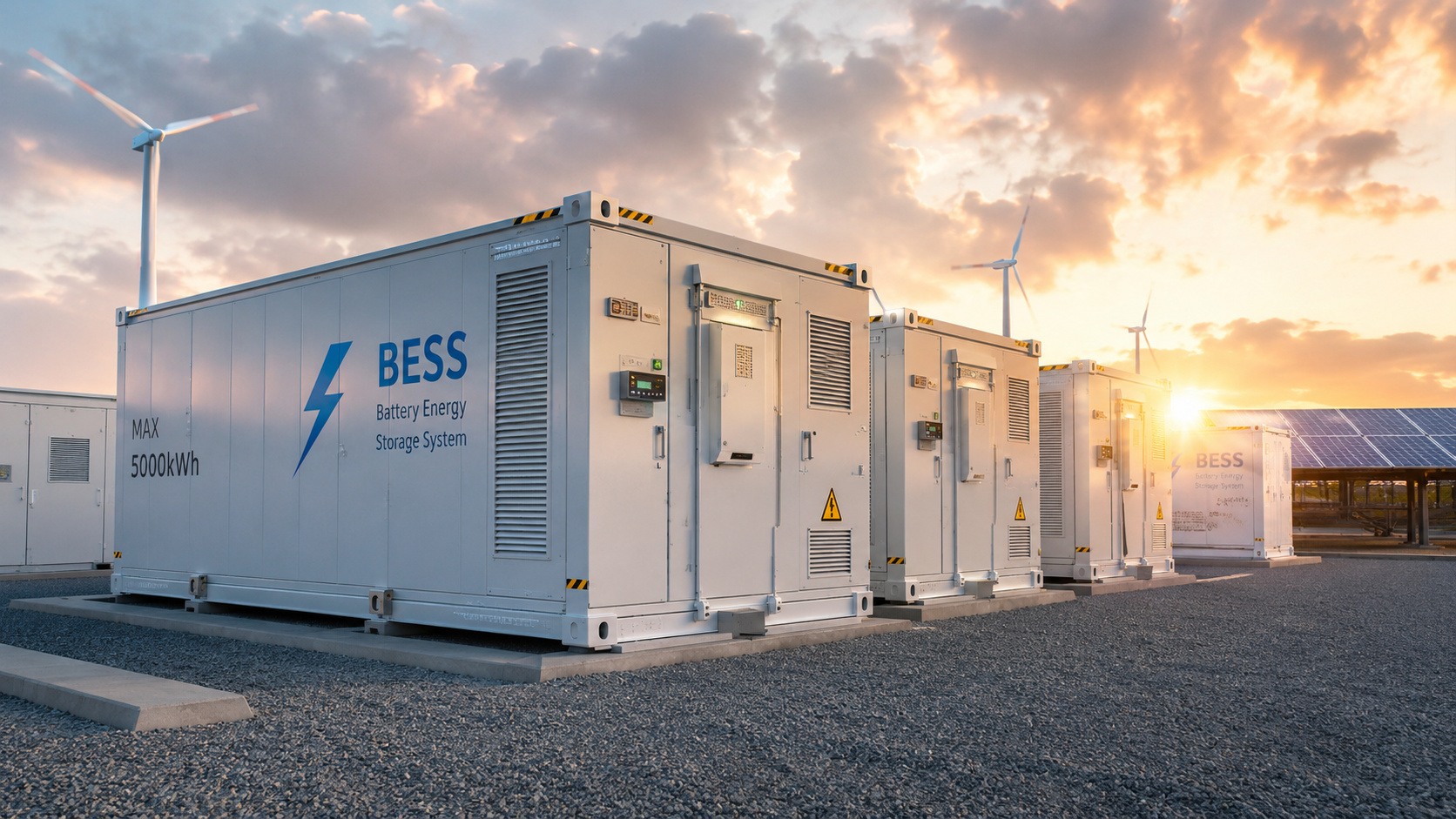
In a historic decision, Aneel regulates the use of batteries in the Brazilian electrical system and lays the groundwork for large-scale energy storage, reducing waste, enhancing energy security, and attracting new billion-dollar projects.

-
Europe tests solar barriers on roads and the project could generate 25 MWh per km per year.

-
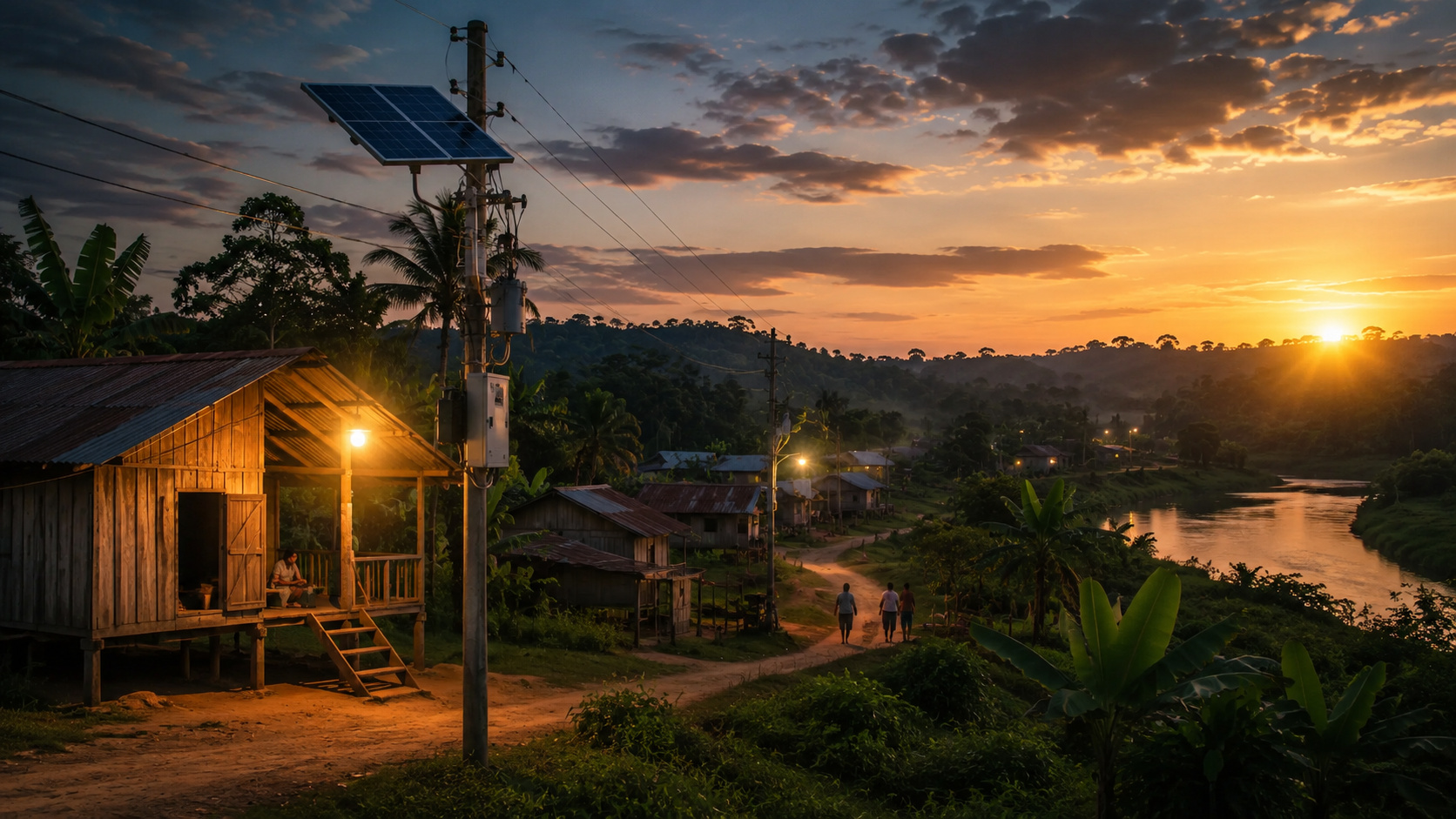
Government expands the Luz para Todos program to bring electricity to isolated communities in the Legal Amazon.
-
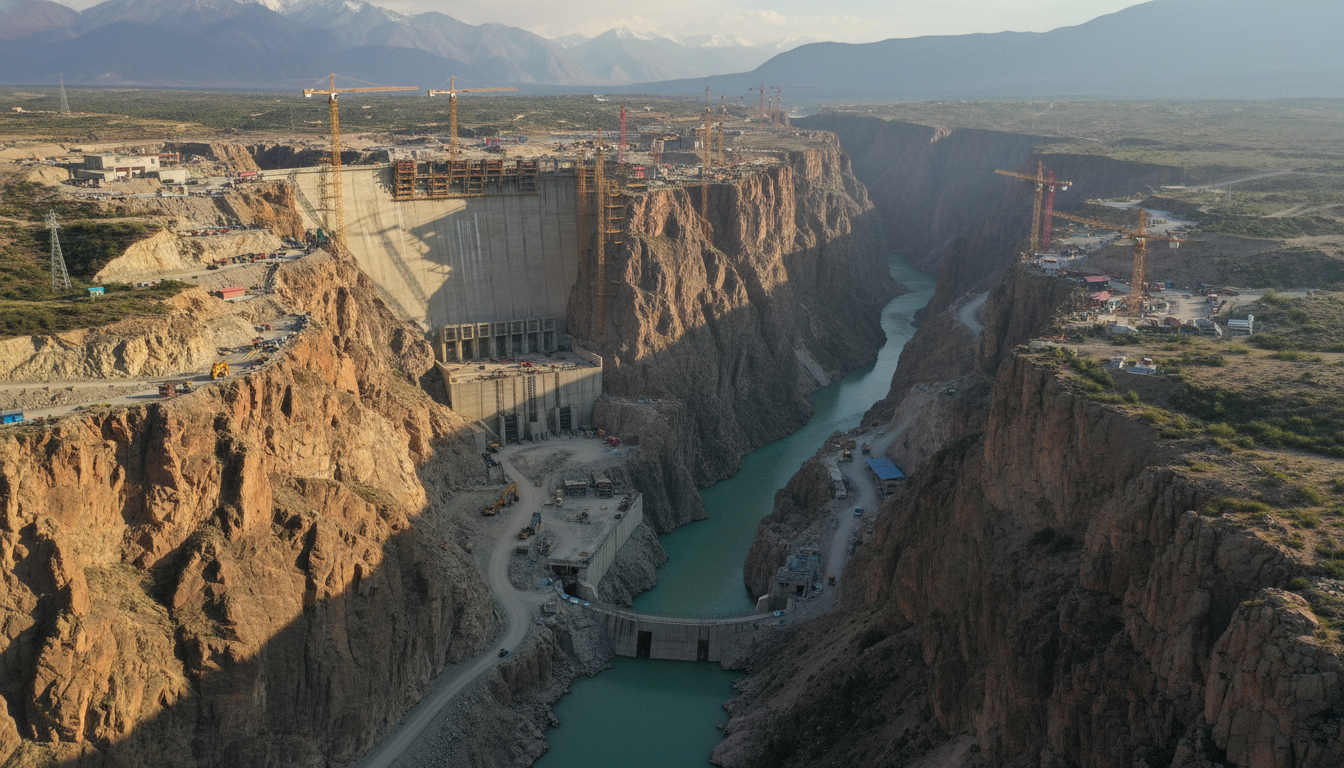
While Belo Monte progressed slowly in Brazil, China is building in Tibet 5 cascade hydropower plants on the Yarlung Tsangpo that will generate 3 times the energy of the Three Gorges.


The technical director of ePowerBay, André Felber, explains the seriousness of the situation:
“Last month (September), losses in Ceará were around 396 thousand MWh. This would be like 1.98 million homes in a month. If considering four people per home, it would benefit 7.92 million people.”
According to the National Electric System Operator (ONS), 35.14 million MWh were wasted in Brazil between 2021 and 2025 — and September of this year marked the record, with 4.6 million MWh curtailed, an increase of almost 13% compared to August.
In Ceará, energy losses have ceased to be isolated cases and have become a structural problem. In 2025, the percentage of curtailed energy varied between 10.8% and 35.8%, peaking in February.
For the Secretary of Science, Innovation and Technological Development of Caucaia, Machidovel Trigueiro Filho, the situation is concerning:
“There is an imminent need to recreate the System. A loss of up to 5% can be considered acceptable for technical adjustments. Above 10%, there is already economic impairment. Peaks above 30% in Ceará are critical and compromise the attractiveness of projects.”
This finding reinforces the warning that the phenomenon is already threatening the economic viability of new ventures in clean energy in the state.
Economic and Social Impacts of Wasting Clean Energy
The limitation of renewable generation affects not only energy-producing companies but the entire productive and economic chain. According to Joaquim Rolim, manager of sustainable development at the Federation of Industries of Ceará (Fiec), the impact is profound:
“The curtailment causes great losses and apprehension throughout the production chain of the sector. What is most worrying is the fact that the problem is worsening and actions have not yet been able to curb it.”
The consequences also affect municipalities and local revenue. Studies indicate that energy generation plants increase municipal revenue by up to 13% and boost the local GDP by over 20%, reflecting directly on job and income generation.
Rolim also warns that losses in Brazil are among the highest in the world, and that Ceará ranks among the most affected states, with a risk of driving away new investments in the sector.
Paradoxically, Ceará experiences an excess of clean energy and, at the same time, a growing waste. While the State stands out for the rapid expansion of solar and wind sources, the transmission and distribution infrastructure has not kept pace with this advance.
Machidovel Trigueiro summarizes the impasse:
“The scenario is paradoxical. We have accelerated growth of renewable sources, but without the capacity to transport all this energy. This generates imbalance and significant economic losses.”
According to him, to keep the system balanced, the ONS frequently reduces the operation of hydroelectric plants or even temporarily shuts down renewable plants — a measure that contradicts the logic of the energy transition.
“Even with a surplus of energy, consumers continue to pay high tariffs, pressured by the lack of instruments to value and redistribute the excess,” he concludes.
The Causes of the Problem: Disjointed Growth and Structural Limitations
Experts point out three main causes for the advance of curtailment in Brazil:
- Renewable energy generation grows faster than consumption, especially solar, which produces excess between 9 AM and 4 PM.
- The transmission network does not evolve at the same pace as generation.
- The restrictions only affect large plants connected to the SIN, not small distributed energy producers.
According to Dickson Araújo, executive secretary of Energy and Telecommunications at Seinfra, 72% of Ceará’s generation is renewable, with solar being the most affected:
“Photovoltaic generation has been more affected than wind, as this source does not generate energy at night. During the day, both combine and generate high levels of cuts by the ONS.”
Ways and Solutions to Contain Curtailment
To prevent the problem from worsening, new technological and regulatory solutions are under discussion. Machidovel Trigueiro advocates actions on two fronts:
In the Short Term, the focus should be on:
- using artificial intelligence to optimize consumption;
- promoting demand flexibility;
- investing in batteries and local storage systems.
In the Long Term, solutions include:
- expansion of transmission lines;
- development of green hydrogen hubs;
- attracting electro-intensive industries;
- and large energy storage projects.
“The private sector must innovate and invest in new technologies, while the public sector needs to ensure agile auctions and policies that expand local consumption,” Trigueiro emphasizes.
Government and Private Sector Seek Alternatives to Mitigate the Problem
For the Ceará government, cooperation with companies is essential. Dickson Araújo states that the State has acted as a bridge between companies and the Federal Government, Aneel, and ONS.
“We have sought constant dialogue with companies in the wind and photovoltaic generation sectors, in addition to promoting the expansion of the transmission system in Ceará, reducing cuts and accommodating new loads from strategic enterprises such as Data Centers and the Green Hydrogen Hub in Pecém.”
The Ministry of Mines and Energy (MME), in turn, created in March the Working Group on Curtailment, which operates within the Electric Sector Monitoring Committee (CMSE).
Among the measures already underway are:
- technical diagnostics on the nature and magnitude of the losses;
- proposing regulatory solutions;
- prioritizing transmission works;
- and installing equipment that increases the reliability of the grid.
“If we do not take urgent measures, there is an imminent risk of losing the ability to attract new investments in clean energy sources and lower costs. We are very behind compared to the rest of the world,” warns Joaquim Rolim.





I must say this article is extremely well written, insightful, and packed with valuable knowledge that shows the author’s deep expertise on the subject, and I truly appreciate the time and effort that has gone into creating such high-quality content because it is not only helpful but also inspiring for readers like me who are always looking for trustworthy resources online. Keep up the good work and write more. i am a follower.