






 Portuguese
  Spanish


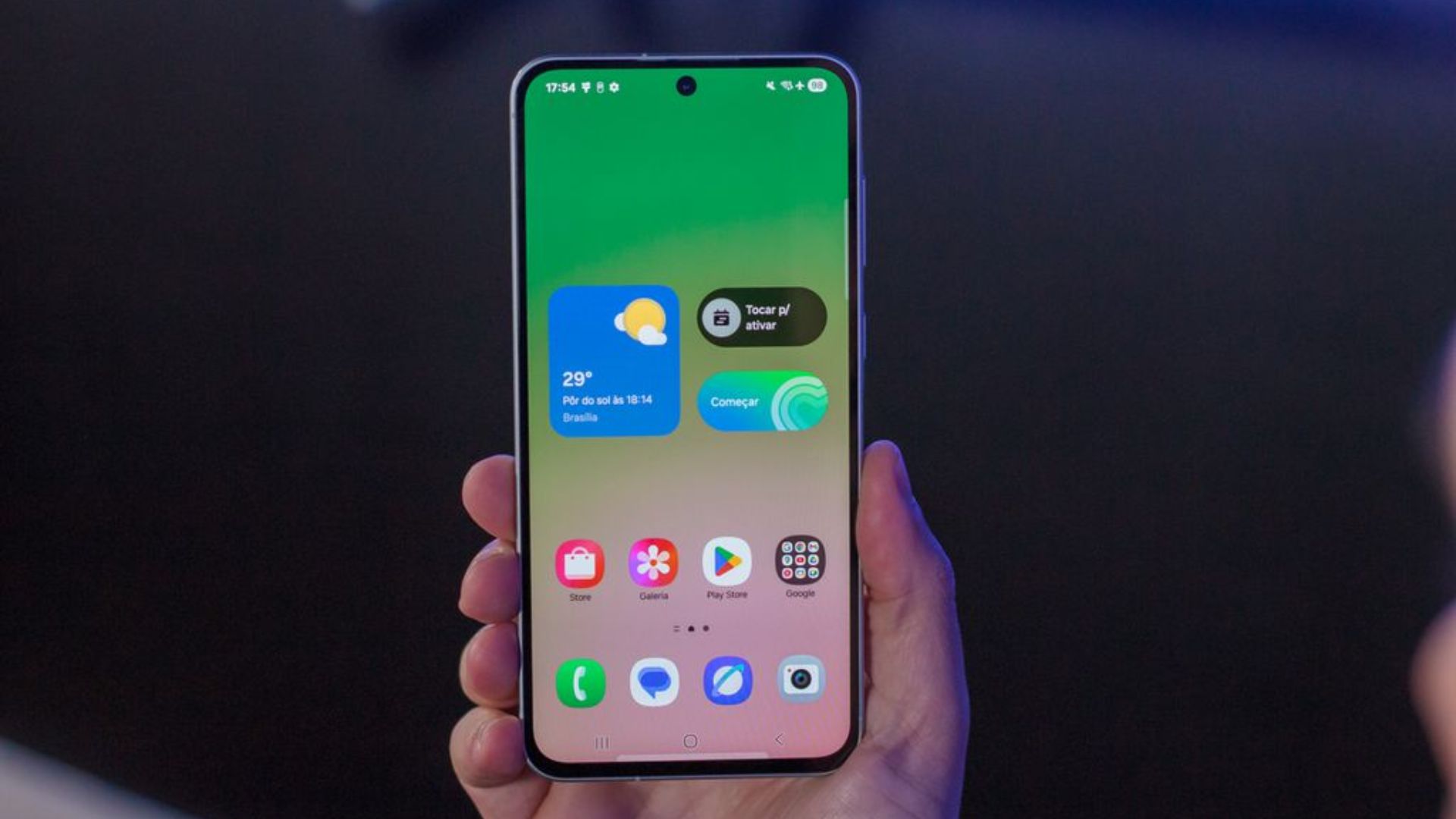


Success Of Affordable Samsung Smartphones Drives Company’s Leadership In Global Market Amid Tight Competition With Apple And Xiaomi. Mid-Range Models Gain Ground Among Consumers And Change Global Technology Scenario.
Samsung has consolidated its leadership position in the global smartphone market in the second quarter of 2025, primarily driven by the significant growth in Brazilian consumers’ preference for affordable models.
Preliminary data from the International Data Corporation (IDC) indicates that, between April and June 2025, the South Korean manufacturer sold 58 million cell phones worldwide, representing an increase of 7.9% compared to the same period last year.
With this performance, the company achieved a 19.7% share of the global market, surpassing direct competitors such as Apple and Xiaomi.
-
China Develops Custom 140-Ton Electric Mining Truck with 770 kWh Swappable Battery, Deploys 290 Units in Xinjiang’s Largest Zinc Mine

-
Meta to Launch Arena, a New Prediction App Targeting 3.56 Billion Users, Competing with Polymarket and Kalshi

-
Scientist Challenges Famous Human Evolution Theory, Argues Homo Sapiens Evolved Gradually Over Thousands of Years
-
15-Year-Old American Builds Ocean Generator with PVC Pipe and 3D-Printed Propeller for $12, Wins National Prize, Presents at White House, and Makes Forbes 30 Under 30 List




Samsung Expands Leadership With Affordable Phones
The result reflects, above all, the success of the Galaxy A36 and Galaxy A56 models, launched in 2025 and quickly adopted by Brazilian consumers.
These mid-range devices were responsible for boosting the brand’s competitiveness in the more affordable price range.
According to experts, the inclusion of artificial intelligence features, previously limited to premium smartphones, was essential to Samsung’s strategy.
IDC Vice President Francisco Jeronimo emphasizes that the AI functionalities present in these devices sparked public interest, especially in major retail networks in Brazil, one of the most competitive markets in the world.
Apple and Xiaomi Maintain Tight Competition
While Samsung advanced, Apple remained in second place, with 46.4 million units sold globally and growth of 1.5% compared to the previous year.
The performance of the American giant was driven by sales in emerging markets, which offset the slight contraction observed in China, where sales fell by 1%.
The Chinese company Xiaomi secured third place in the ranking, with 42.5 million devices sold, showing a slight increase of 0.6% in the quarter.
Global Market and Brand Share
The ranking of the five largest smartphone manufacturers in the world also includes the company Vivo — known in Brazil as Jovi — which reached fourth place by registering the sale of 27.1 million units, representing an increase of 4.8%.
Next is Transsion, which, despite a slight decline of 1.7% in its sales, maintained a significant presence by selling 25.1 million cell phones in the same period.
Overall, the global smartphone market totaled 295.2 million units sold in the second quarter of 2025, indicating a growth of 1% compared to the same quarter last year.
The share of other brands, grouped under the category “Others,” was 32.6%, a reduction of 3.1% compared to the previous year, reflecting the increasing concentration of sales among market leaders.


Economic Challenges and Sector Recovery
The positive scenario of the sector draws attention when considering the economic challenges faced during the period, such as high inflation, rising unemployment in some markets, and significant currency fluctuations.
According to IDC, the mobile phone sector managed to maintain a recovery trajectory even in the face of these obstacles, benefitting primarily from the availability of models with updated designs and, above all, from the integration of artificial intelligence, which has been the competitive differentiator for attracting new consumers.
Brazilians’ Preference for Affordable Phones
In Brazil, Samsung’s success is even more remarkable.
The mid-range devices from the Galaxy line, traditionally known for their good cost-benefit ratio, attracted a wide range of consumers.
The Brazilian public, increasingly attentive to the relationship between price and features, viewed these launches as an opportunity to acquire high-tech smartphones without compromising their budgets.
This change in consumption profile aligns with global trends but takes on particular characteristics in Brazil, where promotions and installment plans facilitate access to more modern devices.
Expansion and Differentiation Strategies
Industry analysts point out that Samsung’s expansion in the low-cost phone segment was crucial for enhancing its competitive advantage over Apple and Xiaomi.
While competitors focus efforts on higher-value devices or bet on specific niches, Samsung has invested in updating its entire mid-range lineup, bringing premium features closer to the general public.
The Galaxy A36 and Galaxy A56, for example, incorporate AI-powered virtual assistants, AI battery optimization, and cameras with enhanced image processing, characteristics highly valued by Brazilian consumers.
Outlook for the Smartphone Market
The competition among Samsung, Apple, and Xiaomi has intensified in recent months, with each company adopting distinct strategies to maintain or expand its market share.
Apple, despite continuing to lead among premium devices, faces challenges in growing in more popular segments, while Xiaomi remains relevant by offering devices with good cost-benefit ratios, albeit without the same pace of innovation seen at Samsung in 2025.
Regarding the outlook for the remainder of the year, industry experts believe that the growth trend is likely to continue, especially if major manufacturers keep investing in artificial intelligence and releases aimed at younger audiences, the main drivers of sales in Brazil and other emerging countries.
Additionally, factors such as greater access to credit and programs to encourage the consumption of technology are also expected to influence the behavior of the national market.
Innovation and Competitiveness in the Brazilian Scenario
The recovery trajectory of the smartphone market, even in the face of economic adversities, shows that innovation and adaptation to local demands remain decisive factors for manufacturers’ success.
In the Brazilian context, the search for affordable phones equipped with advanced technology seems far from losing momentum.





