





 Portuguese
  English
  Spanish
  5 min of reading
  0 comments


In the depths of Chile, one of the deepest and oldest copper mines in the world digs ever deeper in search of the red metal that has become a key component in the electrification of the planet, facing heat, pressure, and kilometers of rock.
While the world discusses electric cars and clean energy, there is silent work happening kilometers below the surface that makes all this possible. In Chile, the largest producer of copper on the planet, miners descend every day to impressive depths to extract from the rock the metal that conducts the electricity of the modern world.
In El Teniente, one of the deepest and oldest underground copper mines in operation globally, the search for the metal continues to descend. As the more accessible layers are exhausted, mining advances ever deeper, facing high temperatures, increasing pressure, and the brutal complexity of working kilometers deep within the earth.
The red metal that moves the world
It may seem like an exaggeration to put so much effort into copper, but this metal is irreplaceable. It conducts electricity better than almost anything that is cheap enough for mass use, which is why it is in wires, motors, electronics, and at the heart of electric cars. The more the world electrifies, the more copper is needed, and the demand only grows year after year.
-
EMS launches Ozivy pen for R$ 452 and fully enters the weight loss battle that is driving pharmacies and patients in Brazil.

-
Panama bets on a $4.5 billion railway bridge over the Panama Canal and calls on Renfe to validate a 450 km high-speed line that promises 50,000 jobs, but still faces the technical challenge of crossing one of the world’s most strategic routes.

-
The largest gas ship ever ordered will cross the oceans hoisting giant rigid sails that retract automatically to save fuel.
-
The explosion in Siberia, recorded on June 30, 1908, over Tunguska, released energy estimated between 10 and 15 megatons of TNT, devastated about 2,150 square kilometers of forest, knocked down approximately 80 million trees, and remains one of the biggest warnings about near-Earth objects.


I confess that I often forget, like almost everyone, that every device I turn on depends on a metal extracted from the depths of the earth. Chile understood early on the value of this and built a significant part of its economy around copper. Digging ever deeper in mines like El Teniente is the way the country has found to continue supplying a world increasingly hungry for the red metal.
The hell of working in the depths
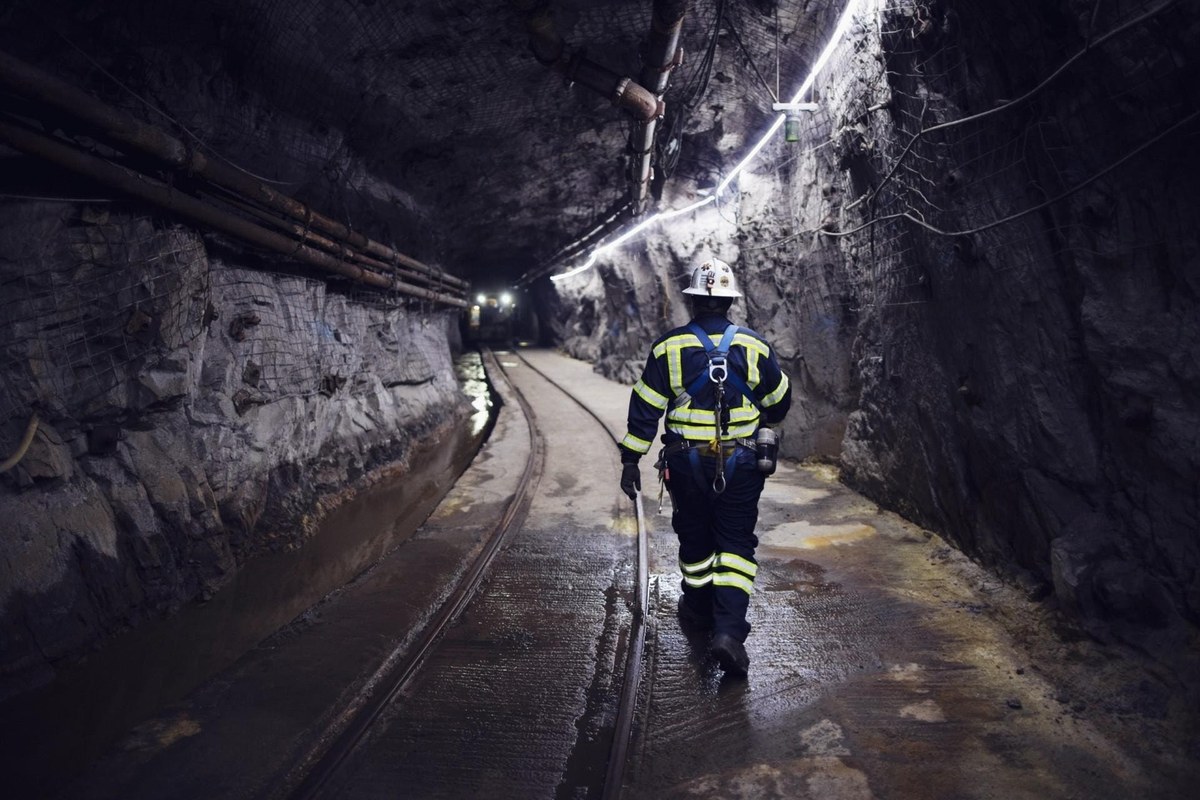
Mining kilometers deep is one of the most extreme jobs there is. The deeper you go, the hotter it gets, because the interior of the earth is a natural furnace. The pressure from the layers of rock above threatens the galleries, and the air needs to be pumped and cooled so that miners can breathe and work. Every meter conquered is a battle against nature itself.
It is an environment that requires cutting-edge engineering and courage from those who work down there. Tunnels need to be shored up, giant machines operate in the dark, and teams take turns in an underground world that few people will ever see. When we plug a device into the socket, we rarely think about the brutal effort that exists in the depths of a mine like El Teniente so that copper reaches us.
Why dig ever deeper
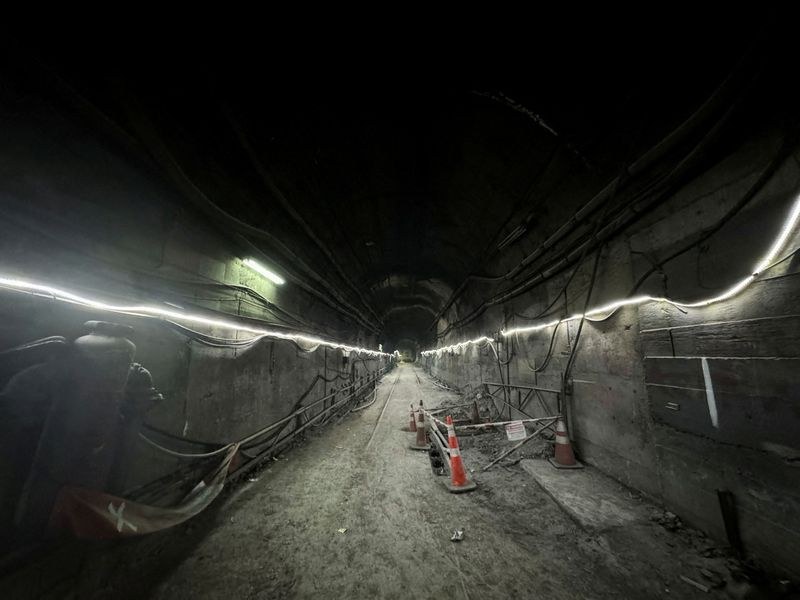
There is a simple reason for mining to go so deep, the easy parts run out. The ore layers closer to the surface, exploited first because they are cheaper, gradually become depleted over time. To continue producing, it is necessary to go after the metal that is increasingly deeper, even if this makes everything more expensive, dangerous, and technically difficult. It is the price of keeping a century-old mine alive.
This logic applies to much of the mature mining in the world. Instead of abandoning a rich deposit, companies invest in technology to reach what was previously impossible. In Chile, keeping El Teniente producing means ensuring jobs, revenue, and the supply of copper at a time when the metal is worth gold. Digging deeper is the bet to not let the wealth that still sleeps down there slip away.
There is an entire engineering dedicated precisely to descending safely. To reach the deep layers without having to open a gigantic pit on the surface, miners use a method where the weight of the rock itself helps collapse the ore in a controlled manner, which is then collected from below. It is an ingenious technique that allows for the efficient exploitation of enormous volumes of ore at great depth. But it requires meticulous planning and years of preparation because a miscalculation down there, with millions of tons of rock at stake, can be catastrophic. Keeping a mine like El Teniente running is, at its core, balancing this ambition to go deeper with a huge respect for the forces of the mountain.
The wealth hidden beneath the mountain
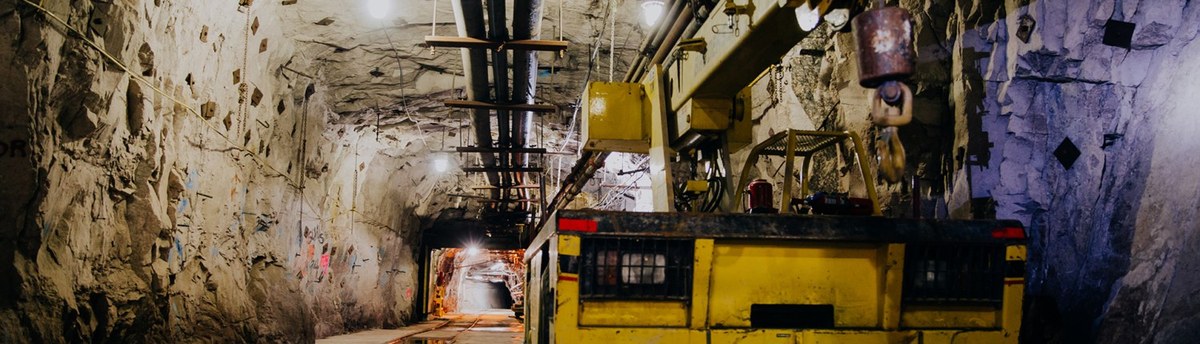
I imagine the underground world that exists beneath our feet, a whole labyrinth of tunnels, machines, and people working kilometers deep to extract from the rock the metal that sustains modern life. It is a gigantic and almost invisible effort that happens out of sight while we comfortably use the electricity it makes possible, without ever imagining the battle fought down there for the metal to reach the socket.
Mines like El Teniente, in Chile, are monuments to this human persistence to dig ever deeper for what is needed. In a world rushing to electrify, the copper extracted from these depths is more strategic than ever. And as demand grows, miners will continue descending, meter by meter, in search of the red metal hidden in the heart of the mountain, in a silent effort on which much of the electric revolution we are experiencing above depends.
Have you ever stopped to think about the extreme effort that exists deep in the earth for copper to reach you?


Be the first to react!