Portuguese
  Spanish


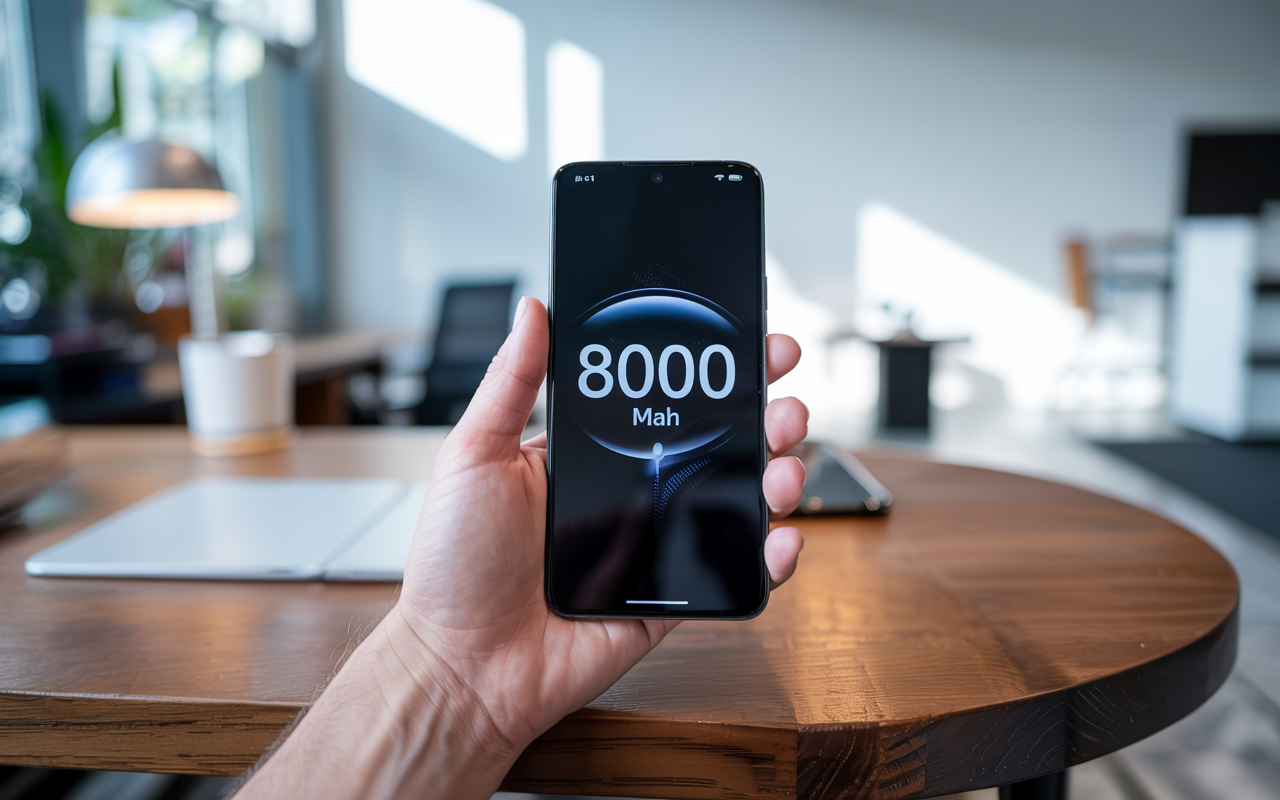

Xiaomi Plans To Launch Phones With 7,500 mAh Batteries Without Affecting Thickness. Learn All About The New Technology That Will Bring Durable Batteries And How It Affects The Market.
In 2025, the smartphone industry reached a remarkable milestone: the introduction of phones with 7,500 mAh batteries that maintain a slim and elegant design. Models like the Redmi Turbo 4 Pro and Honor Power exemplify this innovation, offering up to two days of continuous use without compromising the thickness of the devices. This achievement results from significant advances in battery technology, especially with the adoption of materials like silicon-carbon.
The Historical Challenge Of High-Capacity Batteries
Historically, increasing battery capacity in smartphones meant thicker and heavier devices. Larger batteries occupied more space, limiting the design and portability of the devices.
Additionally, battery life was one of the most criticized points by consumers, especially with intense use of apps, games, social media, and video streaming.
-
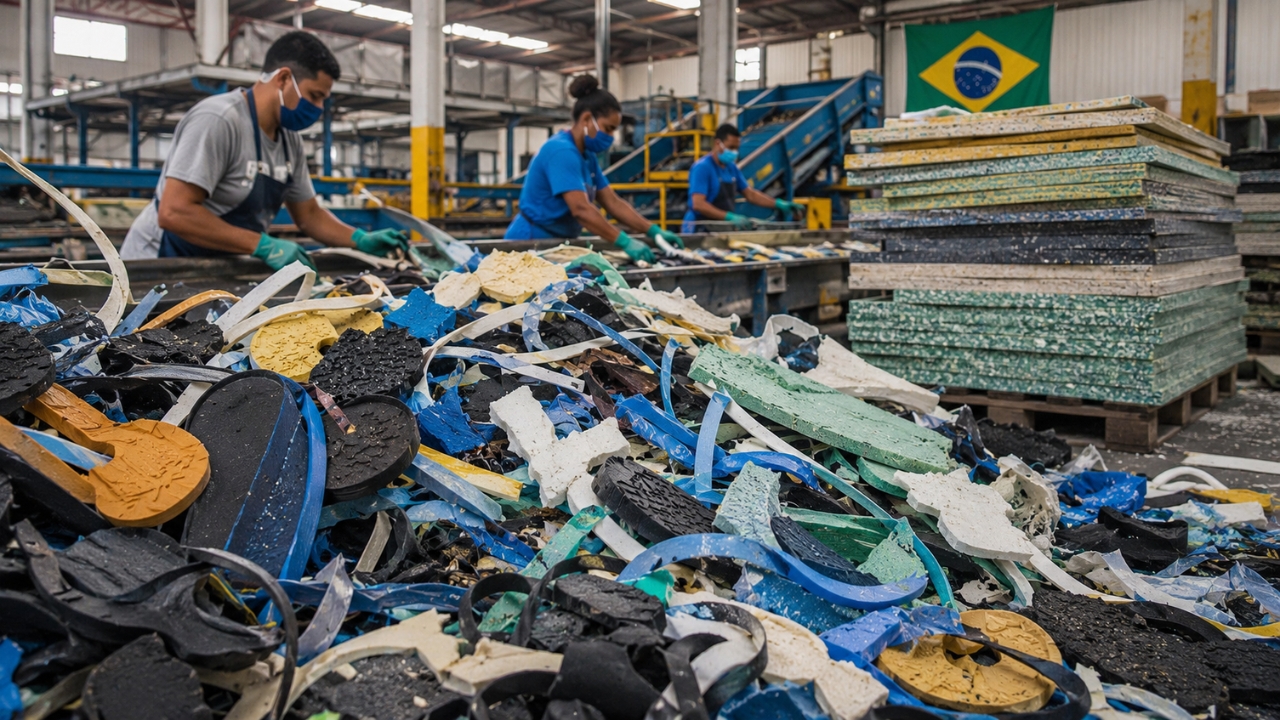
The industrial waste that even recyclers didn’t want has gained value in the interior of Bahia: two entrepreneurs invested R$ 2.8 million to transform 350 tons per year of foam, rubber, and plastic into boards that can replace wood and MDF.

-
What is a red flashlight used for, after all? See why it is so commonly used at night.

-
He has never read a line of code, but he already knows how to work: the French company UMA presented in Paris the Northstar, its first AI-powered humanoid robot designed for factories and warehouses, capable of copying tasks just by observing an employee in action.

-
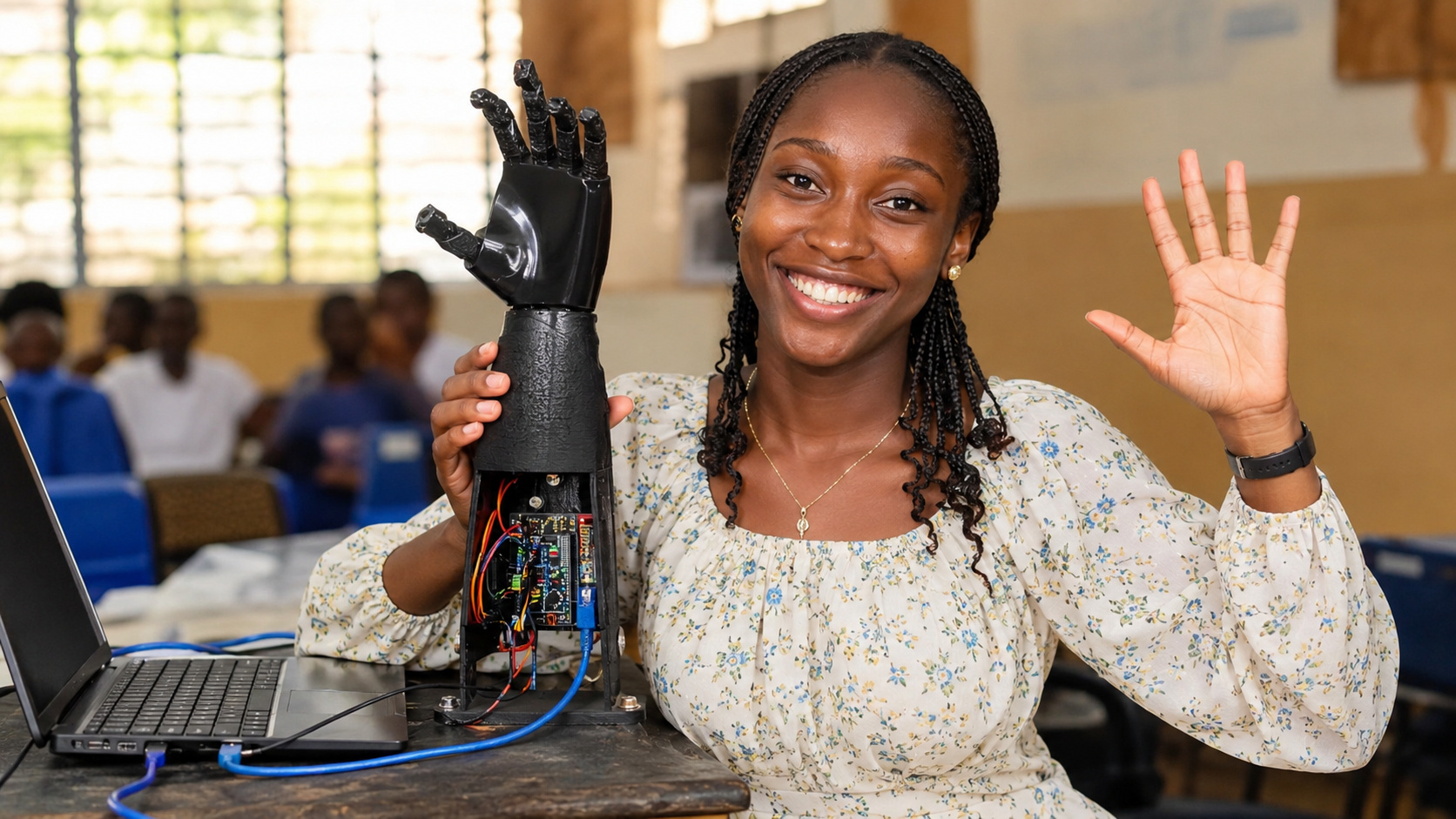
A young Kenyan engineer collects plastic waste from the streets and transforms it into robots that translate physics lessons into sign language in real-time, a machine made with old bottles that teaches what was missing to deaf children left out of science.


However, the demand for longer battery life has driven research and development of solutions that balance capacity and design. The arrival of new energy storage technologies has allowed us to overcome the physical limitations of traditional components.
Silicon-Carbon Technology: A Turning Point And Batteries Up To 7,500 mAh
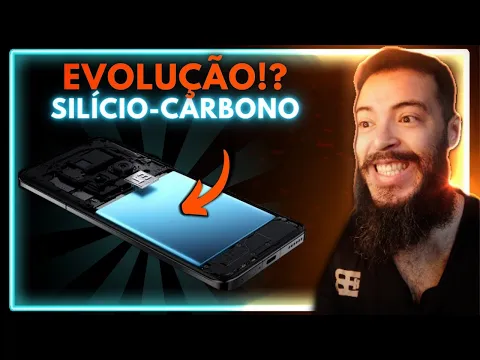

The introduction of silicon-carbon in battery anodes represents a significant advancement. This material has a higher energy density than traditional graphite, allowing it to store more energy without increasing the battery volume.
The Chinese company Xiaomi was one of the first to announce the implementation of this technology in its future smartphones, highlighting the possibility of creating 7,500 mAh batteries without altering the standard format of the devices.
This efficiency translates into greater charge capacity with a smaller volume, enabling the construction of thinner and lighter phones. Additionally, silicon-carbon offers better thermal stability and increased durability, contributing to a longer battery lifespan.
Practical Examples In The Current Market Of Batteries Up To 7,500 mAh
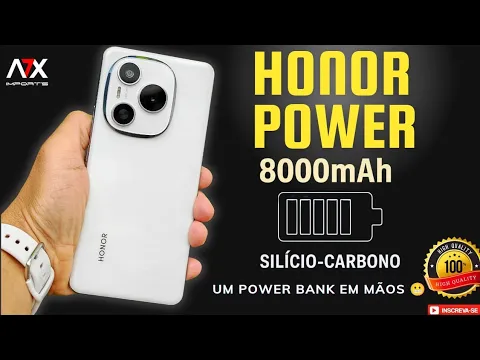
Several models already demonstrate the viability of this technology. In addition to the Redmi Turbo 4 Pro, which features a 7,500 mAh battery and a thickness of less than 8 mm, there are other examples on the market:
- Honor Power: Equipped with a 8,000 mAh battery and a thickness of only 8 mm, it uses lithium-ion technology with a silicon-carbon anode. It offers up to 48 hours of moderate use, with support for 66 W fast charging.
- RedMagic 9 Pro: Aimed at gamers, it has a 6,500 mAh battery and focuses on combining high capacity, thermal performance, and bold design.
- iQOO Z9 Turbo: Another model expected to be launched soon, promising above-average autonomy and a battery with over 7,000 mAh while keeping the thickness below 9 mm.
These examples demonstrate that it is possible to reconcile high-capacity batteries with slim devices, challenging old standards of the industry.
Impact On Daily Use And User Experience
The main advantage of durable 7,500 mAh batteries is the extended usage time without the need for recharging. Users can enjoy up to two days of autonomy, even with intense use. This represents a significant gain in convenience, especially for those who rely on their smartphones for work, study, and leisure.
Another positive point is the maintenance of the slim and lightweight design of the devices, which enhances ergonomics and portability. This combination of autonomy and style meets the expectations of modern consumers, who demand performance without sacrificing elegance.
Future Prospects And Adoption Of The Technology
The trend is that more manufacturers will adopt silicon-carbon technology, expanding the offer of phones with high-capacity batteries and compact design. Brands like Samsung, Apple, Oppo, and Vivo are expected to integrate these innovations into their future releases, responding to the growing demand for longer battery life.
A study by Counterpoint Research highlighted that 13% of consumers are willing to pay more for greater battery life, coming in second only to processor performance (16%) as a factor for willingness to pay more. This reinforces the importance of investing in 7,500 mAh batteries as a competitive differentiator.
A New Standard In Autonomy And Design
The arrival of smartphones with 7,500 mAh batteries marks the beginning of a new era in the smartphone industry, representing a significant technological achievement that redefines the performance and autonomy standards of mobile devices.
Thanks to the use of advanced silicon-carbon technology in battery anodes, manufacturers have managed to overcome one of the main limitations of previous models: offering high energy capacity without compromising the slim, lightweight, and sophisticated design of the devices.
This innovation addresses one of the biggest pain points for modern users, who require devices that can keep up with their intense, connected, and increasingly dependent on continuous use of apps, streaming, video calls, and constant browsing.
By providing durable, high-performance batteries without sacrificing aesthetics and ergonomics, the new models establish a new standard of excellence that, by all indications, will become common in the coming years among leading market brands.
For consumers, this means less worry about recharge frequency, more freedom to use their smartphones on trips, long workdays, and leisure, and a smoother and more satisfying experience in daily use. For the industry, this transformation represents a strategic opportunity to innovate and stand out in a highly competitive market.
With the continuous evolution of this technology, smartphones with 7,500 mAh batteries are not just a passing trend but a herald of the next generations of mobile devices that promise to combine energy efficiency, refined aesthetics, and a real commitment to the future.