Portuguese
  Spanish





With No New Smartphone Launches, ASUS Reorganizes The Company, Invests In AI, And Ends An Era Marked By Zenfone And ROG Phone.
Those who follow ASUS in the smartphone market noticed the signal before the official announcement: there are no new smartphones on the horizon.
The company confirmed that it will stop launching new models, a decision that ends an important chapter in its history and solidifies the end of an era in the mobile segment.
This information was confirmed by the company’s president, Jonney Shih, in statements released by the Taiwanese portal Inside TW.
-
In a Degraded Atlantic Forest Area, a São Gonçalo Resident Transforms Land into a Living Eco-Museum, Now a Model for Environmental Education

-
World’s First Lithium-Sulfur Battery Factory Launches, Promising to Double Range Without Relying on China

-
AI Data Centers Now Feature Built-In Nuclear Power Plants and Have Ordered Non-Existent Reactors
-
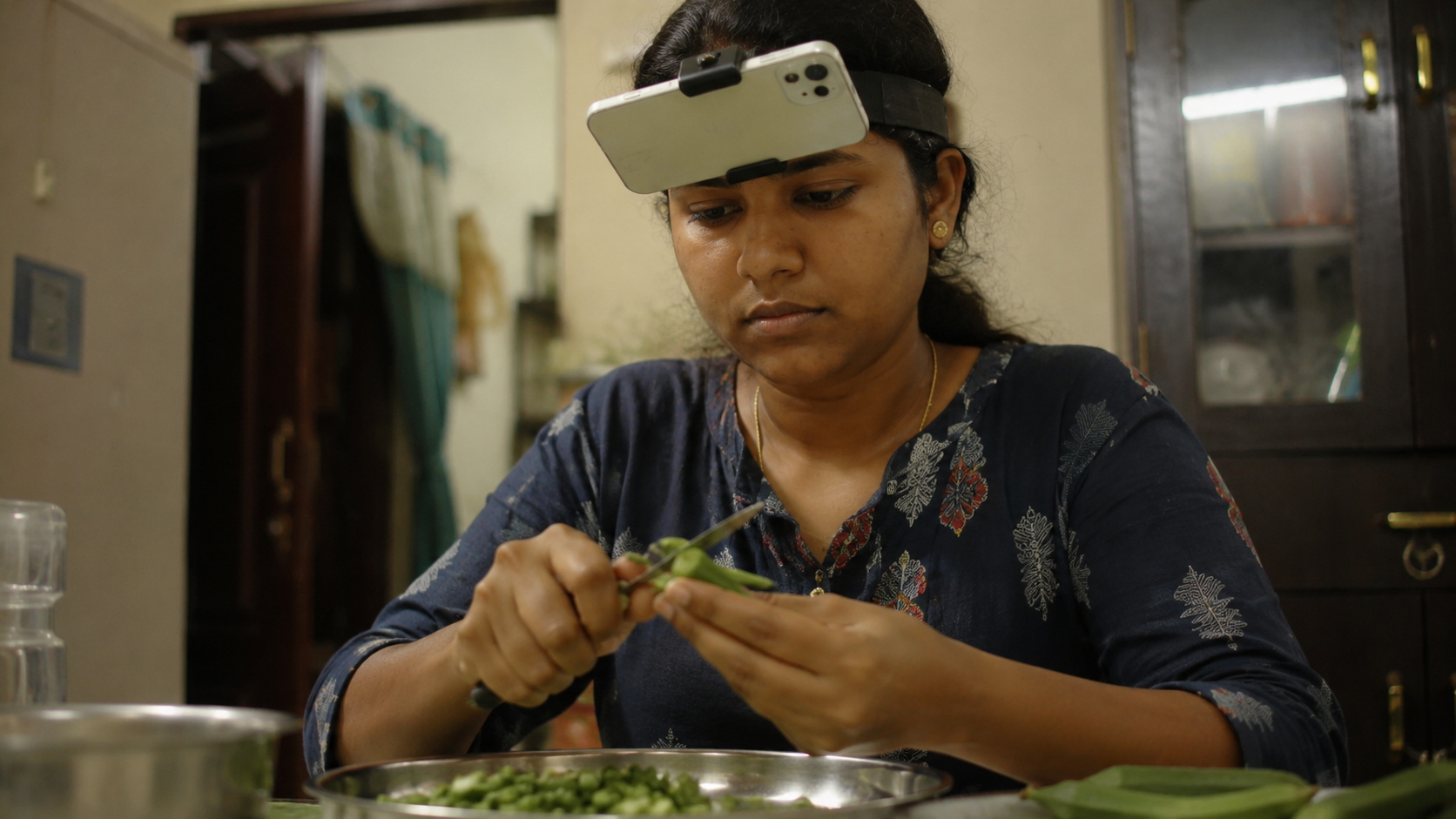
In India, thousands earn about $2.50 an hour cooking and cleaning with a phone strapped to their heads, as every move is recorded to train humanoid robots for jobs they might one day replace.


Although it avoided the term “definitive closure,” ASUS made it clear that smartphones are no longer part of its strategic priorities.
The company is now undergoing a deep reconfiguration of its investments and teams.
What Changes For Those Who Already Have An ASUS Smartphone?
For consumers, the main concern is support. According to the company, users who already own the brand’s smartphones will not be left without assistance.
Repair services, warranty, and customer support will remain active, even without new launches.
Jonney Shih stated that internal processes are being adjusted specifically to ensure a smooth transition.
Thus, ASUS aims to minimize direct impacts on its current customer base.
The new direction taken by ASUS repositions smartphones outside the company’s strategic core.
With no plans to launch new devices, traditional lines like Zenfone and ROG Phone will lack continuity.
While the company avoids declaring a definitive end to this operation, the absence of new products in development indicates a gradual withdrawal from the smartphone market.
Therefore, the closure of this chapter emerges as a natural reflection of the new strategy adopted.
Weak Results Accelerated The Decision
The gradual exit from the smartphone market did not happen by chance. According to reports from internal sources, the launches of the Zenfone 12 Ultra and ROG Phone 9 FE, presented in 2025, performed below commercial expectations.


These results reinforced an ongoing evaluation within the company: competing in the smartphone market requires high investments, while returns become increasingly limited in the face of global competition.
A New Design For The Company
As smartphones lose ground, other areas gain prominence. ASUS has begun a major internal reorganization, relocating Research and Development teams to sectors considered more strategic.
Some engineers have begun working on the development of corporate laptops focused on artificial intelligence, leveraging experience with Qualcomm chips.
These professionals will also be involved in projects based on Snapdragon X and Dragonwing platforms.
AI Takes Center Stage In ASUS’s Strategy
The axis of this transformation is artificial intelligence (AI). The company decided to concentrate efforts on what it calls “physical AI,” a field that combines robotics, wearable devices, and systems capable of interacting directly with the environment.
Additionally, ASUS bets that advancements in AI will make smart glasses widely used products.
Therefore, this type of technology has become an absolute priority within the company.
Numbers Help Explain The Turnaround
From a financial perspective, the change occurs at a positive time. In 2025, ASUS reported revenue of NT$ 738.91 billion, about R$ 125.7 billion, representing a growth of 26.1% compared to the previous year.
The main driver of this result was the AI server segment, which exceeded expectations and doubled its growth target.
In contrast, the rising price of RAM continues to press traditional products.
Products Without AI May Get More Expensive
Within this new scenario, Jonney Shih admitted that equipment not incorporating artificial intelligence, such as conventional laptops, may face price adjustments.
This statement reinforces that ASUS has started to treat AI as a central criterion for competitiveness.
Thus, by reducing its presence in the smartphone market and heavily investing in artificial intelligence, ASUS not only closes a chapter but also redefines its identity for the coming years.
Source: CanalTech