Portuguese
  Spanish


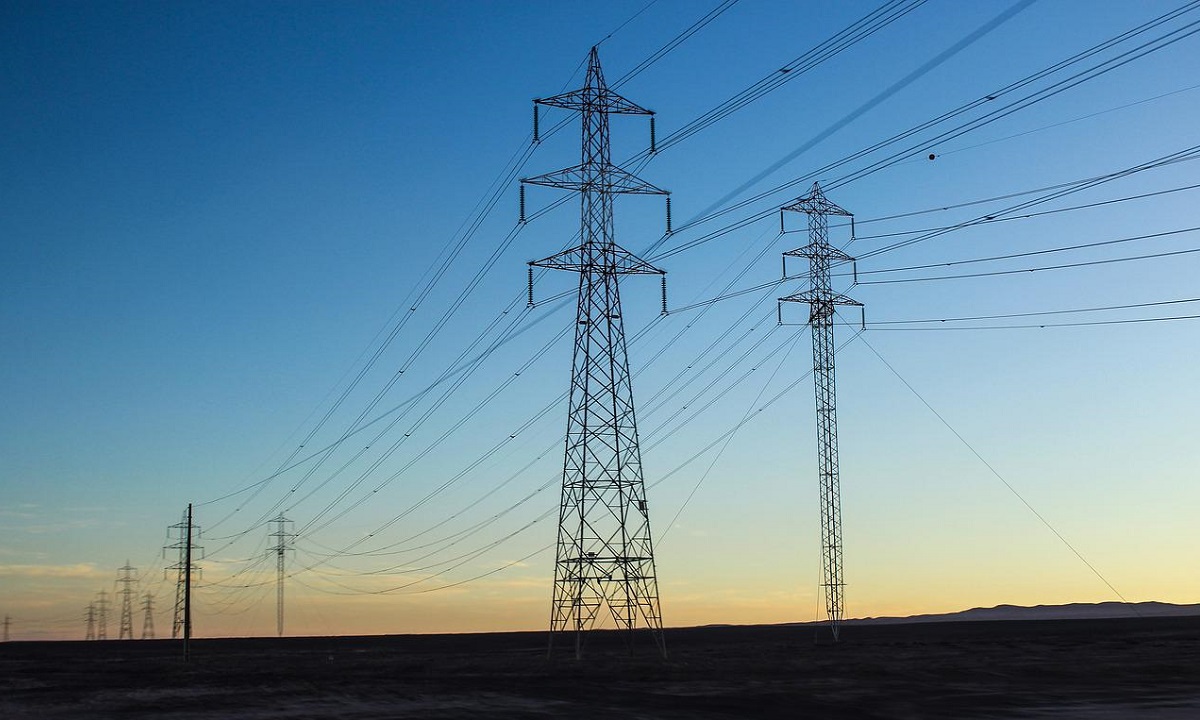

Cemig, Which Has the Largest Investment Program in History, Has Stopped Investing in Businesses Outside the Territory of Minas Gerais
After initiating an expansion movement beyond the borders of Minas Gerais in the 1990s, Cemig has returned to focus within the state. The company, which was founded in 1952, is halting investments in businesses outside the state and betting on the Minas Gerais territory. Currently, the electric utility company has the largest investment program in history, totaling R$ 22.5 billion until 2025. “We want to be a driver of growth for Minas Gerais again,” states the company’s president, Reynaldo Passanezi.
Managing Cemig since 2020, Reynaldo has made extensive adjustments to the company’s accounts and structures to resume the investment process in Minas Gerais. The initial point was to define three pillars: being efficient, fulfilling the dividend policy, and divesting from assets outside the company’s strategy. The executive states that between 2009 and 2018, Cemig spent R$ 8 billion on operational expenses above the regulatory limit recognized by the agency in the tariff. In 2021, this amount was R$ 448 million below the limit.
Another initiative to resume the company’s investments in Minas Gerais was to consolidate several Cemig units into a single building, which reduced expenses by R$ 40 million. The company, which operates in generation, distribution, transmission, and natural gas, also owned two planes with three pilots for exclusive use by the board and a hangar in Pampulha that cost R$ 1 million per year.
-
Fired during apartheid and with a little borrowed money, an electrician started with a borrowed truck and transformed electrical services into a group connected to energy, real estate, and infrastructure in South Africa.

-
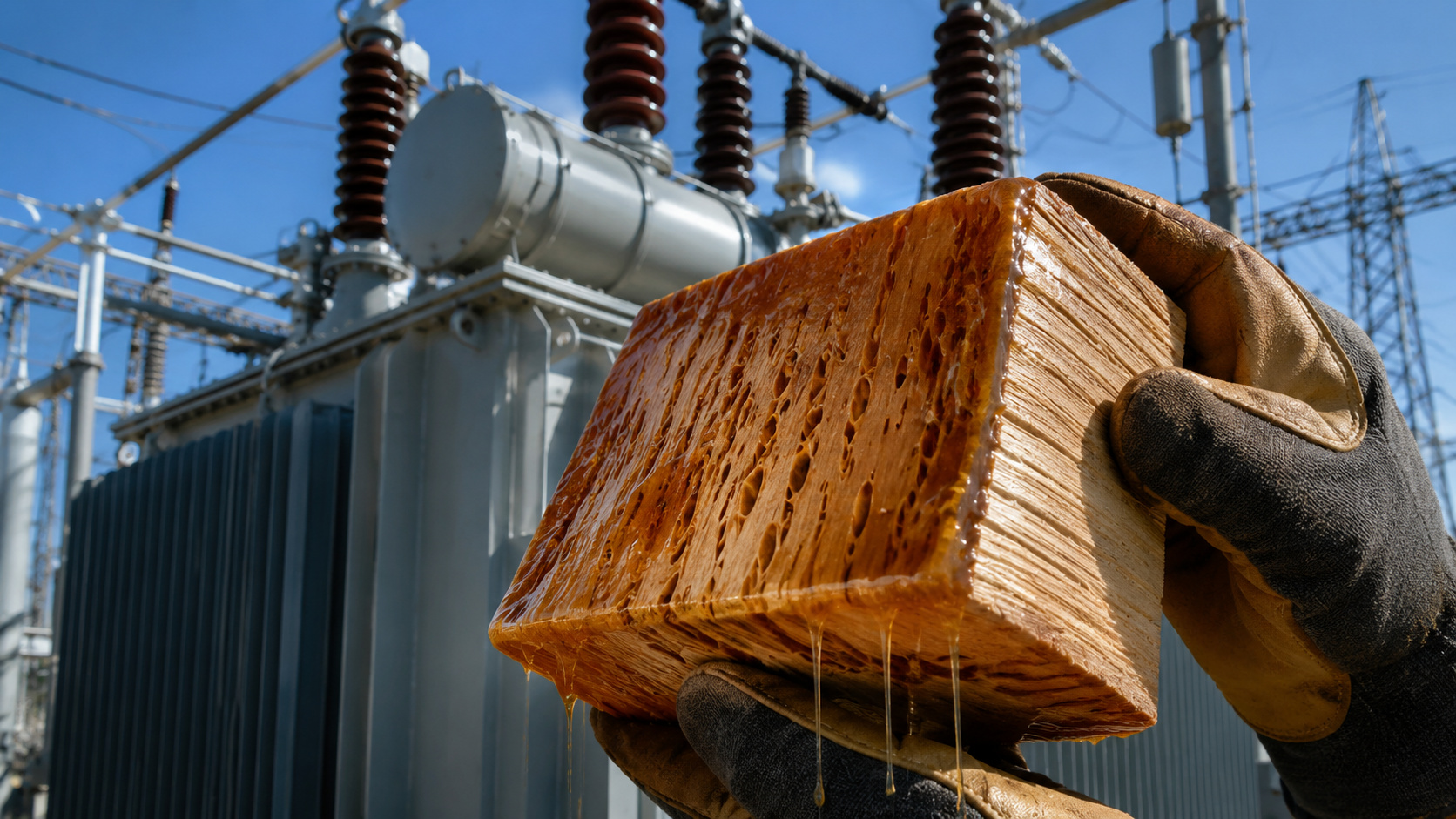
Wood has ceased to be just a construction material in Yale research and has become insulation for electrical transformers that face intense heat, aging, and increasing pressure from the renewable energy-powered grid.
-
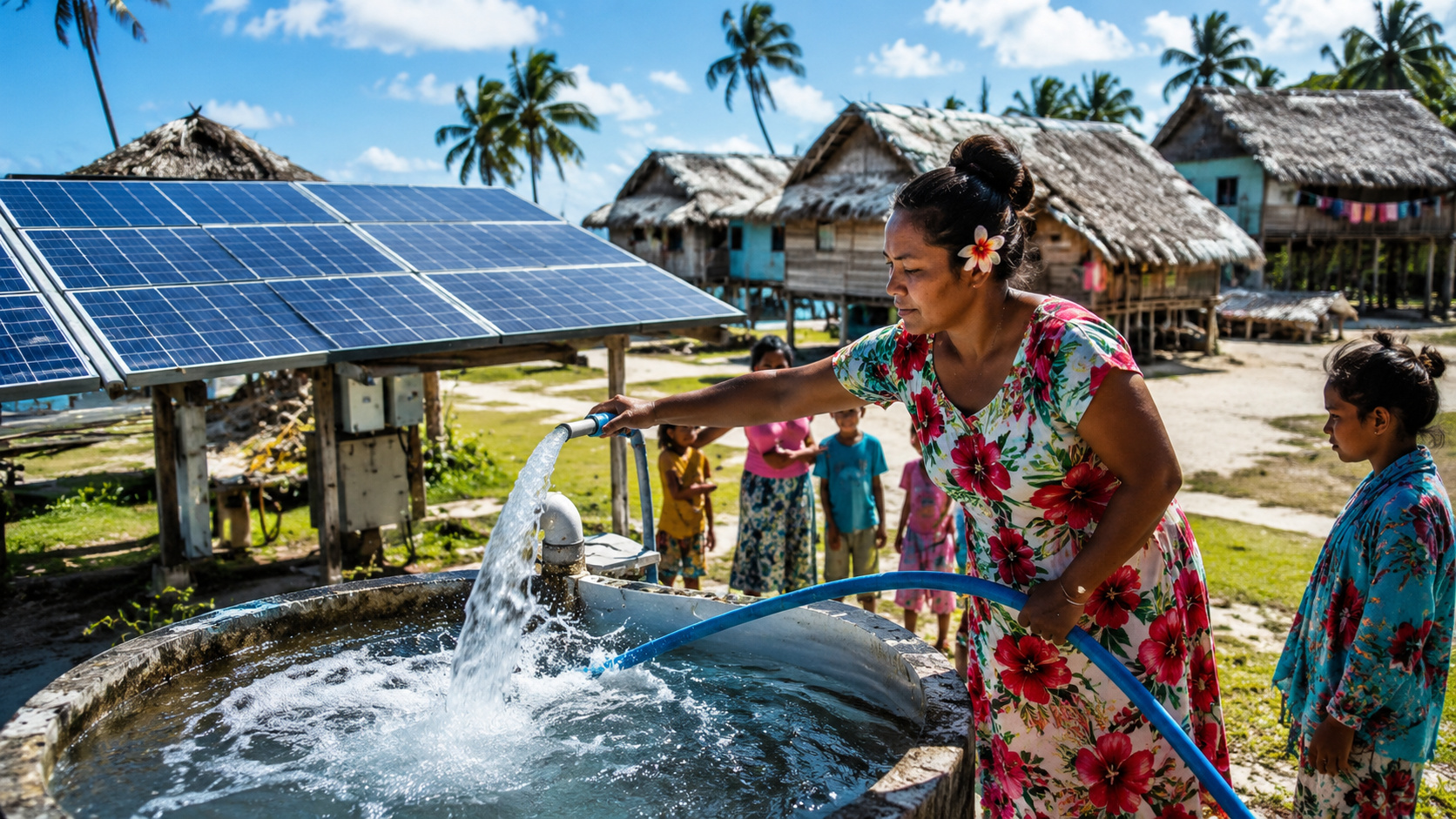
More than 1,000 residents of a remote island in Kiribati now have clean water and electricity with solar systems operated by the community itself.
-
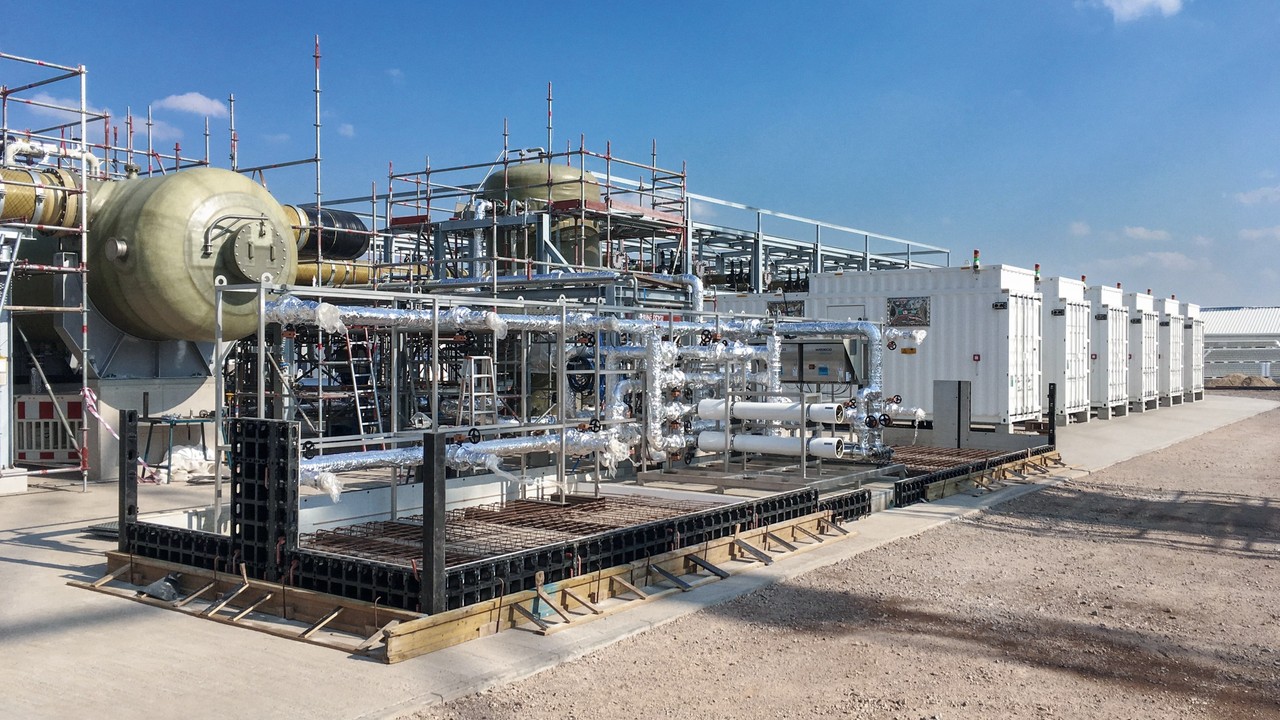
Ceará brings together 7 giants and R$ 66 billion to transform Pecém into the largest green hydrogen hub in Brazil, with final decisions expected by the end of 2026.


The aircraft were transferred and the professionals were laid off. “We had 100 people available for the board, like waiters and drivers. We currently have only 10. When we add these things up, the result is impressive,” says Reynaldo.
The president also estimates that the adjustments to resume the investments total approximately R$ 1 billion in annual savings, which allowed, for the first time in history, the balancing of Cemig’s operations. The company’s net revenue in the first half of 2022 was 11%, reaching R$ 16 billion. However, profit declined to R$ 1.5 billion due to the decision to make provisions regarding the return of tax credits.
New Strategies of Cemig
Now Cemig intends to focus on opportunities within Minas Gerais. The strategy now is to divest from minority businesses outside Minas Gerais that have not succeeded. The company has transferred, for example, the companies Renova and Light. However, there are still other companies on Passanezi’s list, such as holdings in the Belo Monte (PA) and Santo Antônio (RO) hydroelectric plants, in addition to Taesa (RJ).
According to Passanezi, between 2009 and 2018, minority holdings in these ventures totaled R$ 19 billion. On average, this amount corresponds to a loss of R$ 11 billion, as Cemig’s stake in these businesses is currently worth R$ 8 billion.
In investments, one of the main initiatives is the construction of 200 new substations in the state of Minas Gerais, increasing the number of structures from 415 to 615 units. By reinforcing the grid, the goal is to attract new industries to Minas Gerais.
In energy generation, investments are expected to total approximately R$ 5 billion for 1.5 GW of capacity in renewable sources, such as solar and wind energy. In distributed generation, through solar panels on residences, R$ 1.5 billion will be invested.
Cemig’s investments are expected to be made with cash or funds acquired from asset sales. Just from Light and Renova, the state-owned company raised R$ 2.5 billion. Except for renewable energies, which can be established in the Northeast due to the region’s great potential, other Cemig projects are expected to occur in Minas Gerais.