





 Portuguese
  English
  Spanish
  3 min of reading
  0 comments


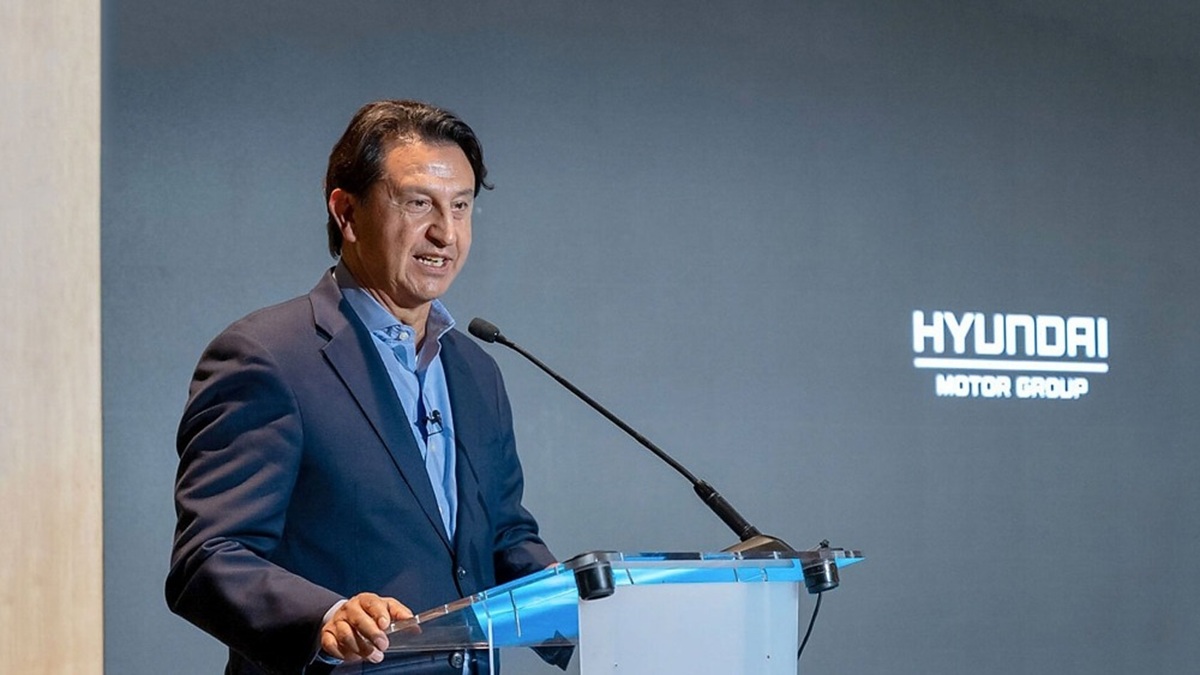
In An Interview, José Muñoz Details Hyundai’s Strategy To Respond To Accelerated Changes In The Global Automotive Industry, With Investments Of US$ 26 Billion In The United States, A Goal To Produce 80% Of Vehicles Locally By 2030, Advances In Industrial Robotics, And Competitive Repositioning In Light Of Rapid Innovation And Falling Prices Promoted By Chinese Manufacturers.
José Muñoz, CEO of Hyundai Motor Company, stated in an interview that the group needs to accelerate decisions and investments in light of the rapid changes in business rules and technological advancements, highlighting a US$ 26 billion plan in the United States and a new strategic posture regarding China.
Billion-Dollar Investment And Industrial Expansion In The United States
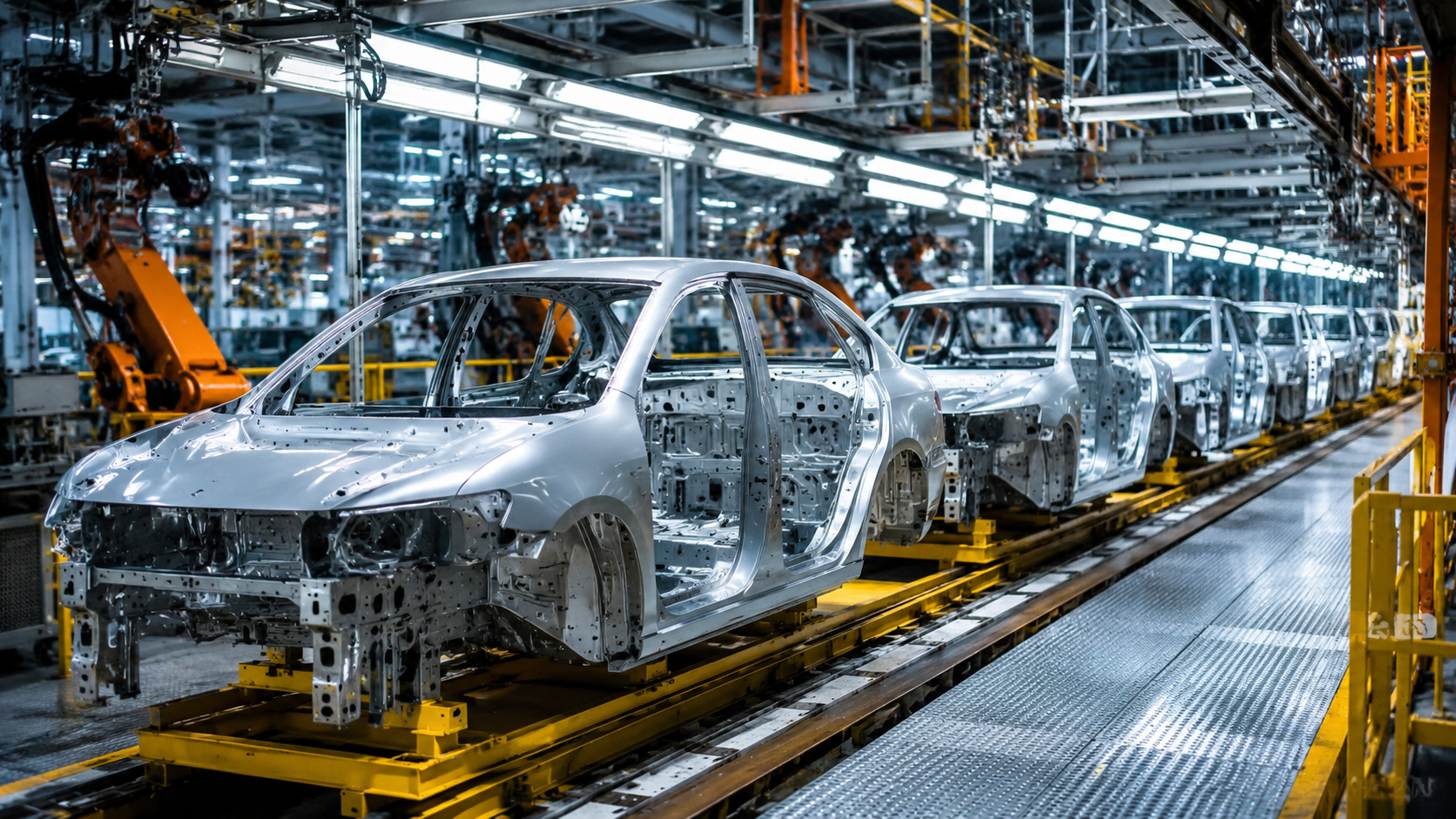
The Hyundai Motor Group announced a US$ 26 billion investment plan, around € 21.8 billion, in the United States between 2025 and 2028. The funds will be allocated to strengthening the supply chain, increasing production capacity, and industrial robotics.
Among the planned projects are the construction of a new steel mill in Louisiana and the installation of a robot factory with an estimated annual capacity of 30,000 units. The goal is to provide direct support to the group’s industrial operations in the country.
-
Electric vehicle market soars 175% in just four months of 2026, and historic growth boosts automakers, expands charging infrastructure, and accelerates the technological race that is beginning to reshape the future of Brazilian transportation.

-
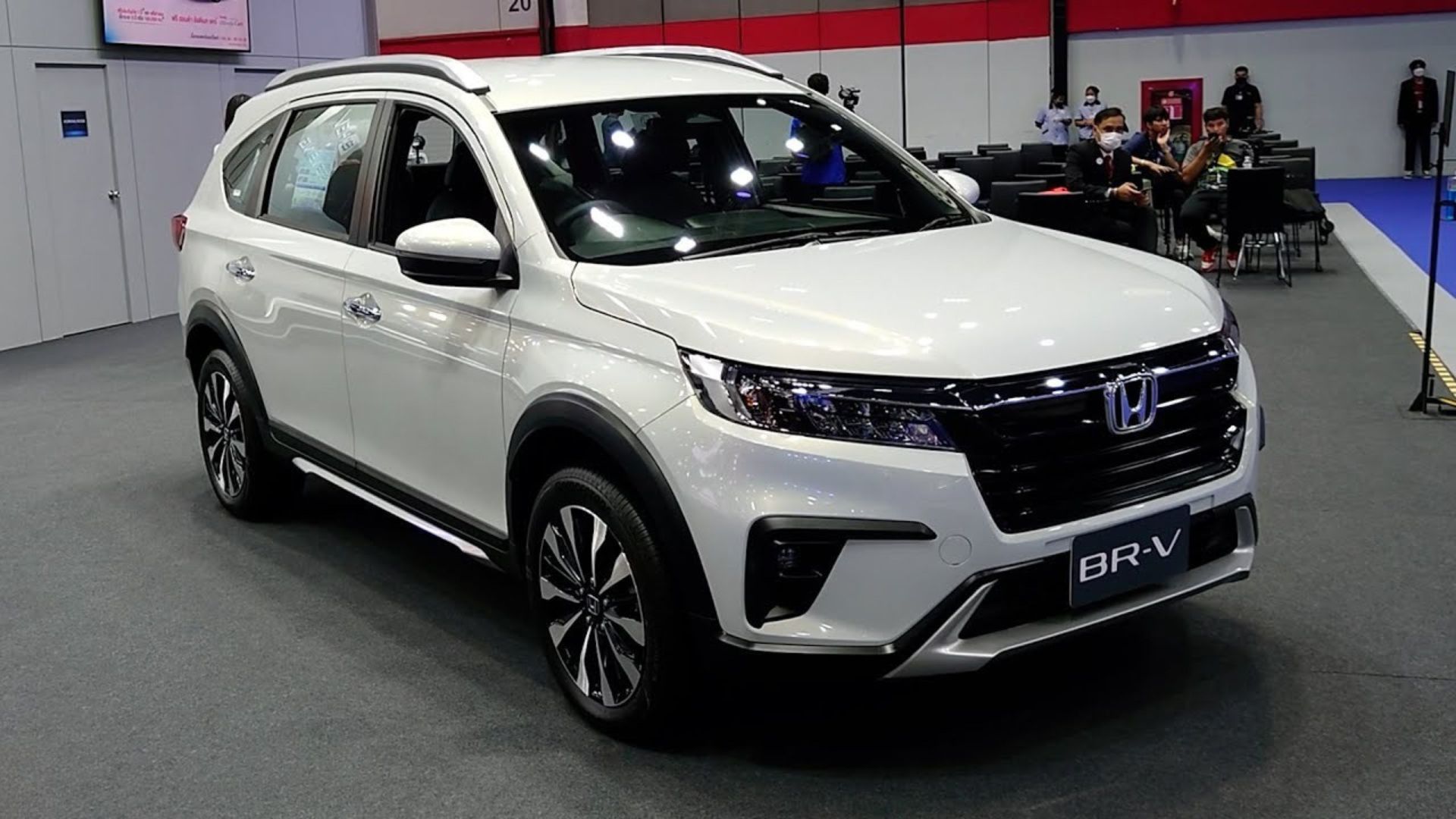
While Brazil was left without an affordable 7-seater Honda, Indonesia sells the 2026 BR-V with a 1.5 i-VTEC engine of 121 hp, Honda Sensing, three rows, fuel consumption above 23 km/l, and a range of 987 km; the family SUV costs less than the Spin, Aircross, and Tiggo 8 Pro when converted without taxes.

-
Now NASA comes: Brazilian transforms pickups into “war tanks” in Goiânia by replacing wheels with giant tracks costing up to R$ 120,000 to tackle mud, farms, and impossible terrains.

-
Another Chinese giant prepares to enter Brazil: BAIC bets on the Arcfox T1, an electric hatchback that promises to compete with the BYD Dolphin, BYD Dolphin Mini, and Geely EX2 with a larger size and a range of up to 425 km.


Accelerate To Reduce Timelines And Generate Returns Faster
In the interview, Muñoz emphasized that the group’s strategic priority is to accelerate industrial execution. According to him, the faster projects are completed, the sooner the invested capital will start generating returns, especially in a price-sensitive market like the United States.
This approach reflects the understanding that operational delays can compromise competitiveness. Muñoz stated that market conditions change rapidly and require agile decisions, leaving no room for prolonged uncertainties in the industrial schedule.
Goal For Localization And Vehicle Production By 2030
The acceleration also supports the localization goal set by the company for the next decade. According to Muñoz, Hyundai aims to produce 80% of the cars sold in the United States locally by 2030, compared to the current level of around half.
The executive stated that the group is on the right track to achieve this goal. According to him, once operations at a factory begin, stopping the investment cycle is no longer a viable option for the company.
Learning From China And The Offensive Of Electric Models
Muñoz stated that Hyundai’s relationship with China has changed significantly. According to him, previously the group would go to the country to teach about competition, but now the trips focus on learning from local manufacturers, who have rapidly advanced in innovation and cost reduction.
This context is linked to the company’s efforts to regain market share in China. The group plans to launch around 20 new electric models in the country, indicating the need to shorten development cycles and adjust prices in a highly competitive environment.
Technological Transformation And Focus On Industrial Robotics
The CEO stated that Hyundai seeks to transform into a technology and mobility company, going beyond vehicle sales. The strategy involves greater emphasis on software, automation, and artificial intelligence applied to both products and manufacturing.
Korean media vehicles have related this strategy to the growing adoption of robots in the group’s factories. Muñoz, the first non-Korean leader in the company’s history, has associated this transformation with the redefinition of the company’s industrial identity.
Humanoid Robots And Union Reaction
Robotics is one of the group’s main bets for industrial differentiation. Reuters reported that Hyundai plans to deploy Atlas humanoid robots in its factory in Georgia starting in 2028, gradually.
The introduction should begin with tasks of sequencing parts and advance as safety and quality are validated.
However, the plan has already provoked union opposition in South Korea, where representatives warn of labor impacts and demand prior agreements.







-

-

3 people reacted to this.