Portuguese
  Spanish


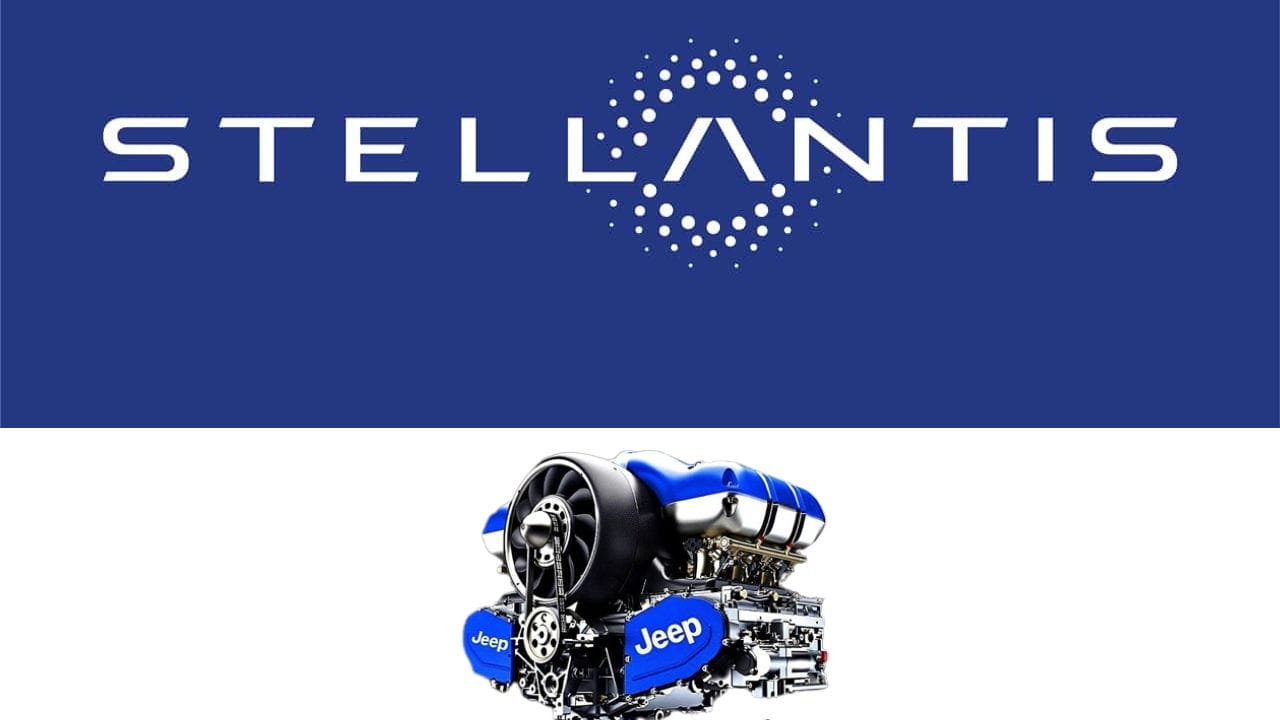

Stellantis and Jeep Challenge the Future of Electric Vehicles with Innovative Compressed Air Engine, Reducing Fuel Consumption by Up to 50%
An Innovative Compressed Air Engine. A technology so advanced it left the entire industry in shock promises to keep combustion cars on the road, reducing nearly 99% of CO2 emissions. Brace yourself, because the game is just beginning.
The Magic Behind the Technology
The new hybrid system from Stellantis and Jeep combines gasoline and compressed air in a 2-liter engine, achieving unprecedented fuel efficiency. The system consists of a compressed air tank, a low-pressure tank, and a hydraulic system, all working in sync.
This ingenious marriage was the result of years of research and development, which began back in 2014, with the launch of the first compressed air engines in the Peugeot 308.
-
Artist’s 15-Meter Lighthouse in the Mojave Desert, 160 km from the Sea, Intrigues Visitors with 19 km Range After Years of Bureaucracy

-
Bluetti AC70 Solar-Powered Station: Powers Fridge and Wi-Fi During Blackouts, Delivers 1,000W, 3,000 Charge Cycles, Priced at $900

-
Enormous Black Hole Phoenix A* Challenges Scientific Understanding with Mass of 100 Billion Suns, Surpassing Famous TON 618 in One of the Largest Known Galaxy Clusters
-
Electric Revolution: Watts W125 Motorcycle Offers 160 km Range, 90 km/h Speed, and Affordable Price Starting at $3,000


A Slap to Electric Vehicles?
Carlos Tavares, CEO of Stellantis, is not just a man ahead of his time; he is also a critic of the current wave of electric vehicles. According to him, the future of automobiles is not exclusively electric, mainly due to the lithium shortage and the high production costs of these vehicles.
Therefore, he sees the compressed air engine as a viable, more economical, and environmentally sustainable alternative. This new engine promises to bring considerable benefits to consumers. According to data from Jeep, the air hybrid system could reduce fuel consumption by an impressive 50%.
Vehicles equipped with this technology may see their range increase by up to 90% compared to conventional engines of the same power. And the cherry on top? In urban conditions, these cars can operate solely on compressed air for an incredible 60 to 80% of the time.
What’s Coming Next
The launch of the new engine is still a mystery, but expectations are high. The Stellantis and Jeep are continuing to work on adjustments and testing to further refine this innovation. The technology may not only affect the electric vehicle industry but also provide a new path for sustainable mobility.
With this announcement, Stellantis and Jeep are adding fuel to the already heated debate about transitioning to a more sustainable future. While world leaders push for the adoption of electric vehicles, this new technology signals that the path may not be as straightforward as we thought.
The only certainty is that the automotive industry will never be the same. Stay tuned, because this story is far from over. Watch the video below for more details.