






 Portuguese
  Spanish


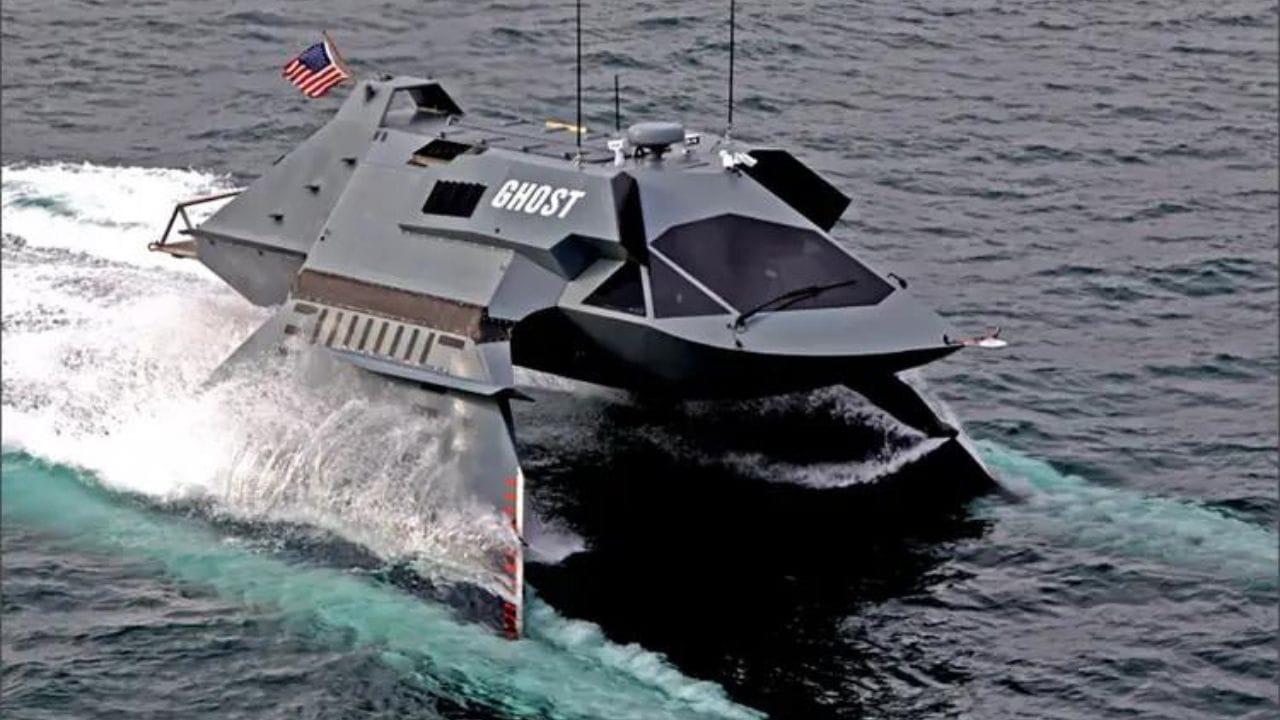


It May Seem Like A Movie Scene, But It’s Pure Technology: Imagine A Boat That Flies Over The Water, Dodging The Waves As If They Were Just Details. It Seems Crazy, But It’s The Dream That Almost Became A Reality With The Boat “Ghost”, A Revolutionary Project That Had Everything To Shake The Naval World.
If you think it’s just another stylized catamaran, you’re very mistaken. The “Ghost” uses a technology called SWATH (Small Waterplane Area Twin Hull) that basically submerges part of the boat in the water to reduce the impact of the waves.
Born from the visionary mind of Greg Sancoff and materialized by Juliet Marine Systems, this extraordinary vessel reinvents the paradigms of naval design.
They are like two mini-submarines that support the boat. The result? A smoother ride than “a knife cutting through butter”, even with waves up to 3 meters high!
-
Distant Galaxy Shaped Like a Giant Jellyfish Sheds Gas, Forming New Stars as It Moves Through Hot Cosmic Gas

-
Nearly 40% of Treated Water in Brazil is Lost Before Reaching Homes; Companies Use Satellites, AI, Helium, and Innovative Tech to Improve Access in Remote Areas

-
Steel Sphere Cylinder Achieves 14% Damping in Tests, Functions Without Sensors or Electricity, and Can Reduce Vibrations in Skyscrapers, Bridges, and Sensitive Equipment with US Patent Registered
-
Artist’s 15-Meter Lighthouse in the Mojave Desert, 160 km from the Sea, Intrigues Visitors with 19 km Range After Years of Bureaucracy




Speed And Stealth: The Trump Cards Of The “Ghost”
Equipped with gas turbine engines and a diverse weapon system, this boat not only cuts through the water like lightning, but is also almost invisible to radars.
The first interested client was none other than the U.S. Navy. And it doesn’t stop there: the “Ghost” was designed for anti-submarine operations, combating piracy, and defending against smaller threats like kamikaze drones.
But then why isn’t this innovative boat cruising the seven seas? Simple: the U.S. Navy backed out. Despite all the innovation, the project was deemed limited to operations only in coastal waters.
Furthermore, DARPA (Defense Advanced Research Projects Agency) offered a contract in exchange for patent rights, which didn’t materialize. The result? The “Ghost” was abandoned and now rests as a museum piece in Portsmouth, New Hampshire.
An Innovation That Sank
The “Ghost” is a typical example of how a technological innovation can go from heaven to the ground in a short time. It had potential, but stumbled on bureaucracy and a lack of strategic vision. Today, it is more of a curiosity in an exhibition park, but who knows what the future holds?
Perhaps other navies around the world will still discover the potential of this technology and give the “Ghost” the chance it never had.
And so the question remains: are we neglecting innovations that could revolutionize entire sectors just because we are comfortable with what we already know? In the case of the “Ghost“, it seems so.


