Portuguese
  Spanish


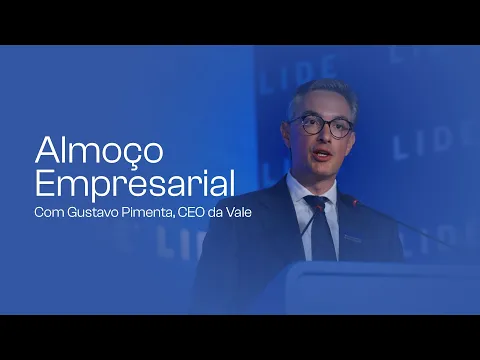
The CEO of Vale, Gustavo Pimenta, declared at an event on Friday (27) that the Brazilian miner should resume global leadership, betting on critical minerals like copper and nickel to supply the energy transition — and called these resources “the oil of the next century”.
The new leadership at Vale wants to place the Brazilian miner back at the top of the global industry. This statement is from CEO Gustavo Pimenta, who on June 27, 2025, during his presentation to the LIDE group, highlighted the need to recover lost positions and consolidate the company’s leading role in the new era of commodities linked to the energy transition.
Currently, Vale ranks ninth among the largest mining companies in the world by market value. In 2010, it was ranked second, behind only the Australian BHP, with an estimated value of US$ 170 billion. For Pimenta, stagnation does not reflect the country’s mineral potential.
“Vale must be the largest mining company in the world. We are sitting on the largest mining endowment on the planet; we need to unlock this value,” the executive stated.
ARTICLE CONTINUES BELOWSee also
China could reduce iron ore imports from 80% to 50% of consumption by 2030, while its share in global steel production falls from 52% to 46%, in a shift that could reshape the global market, says CMRG.

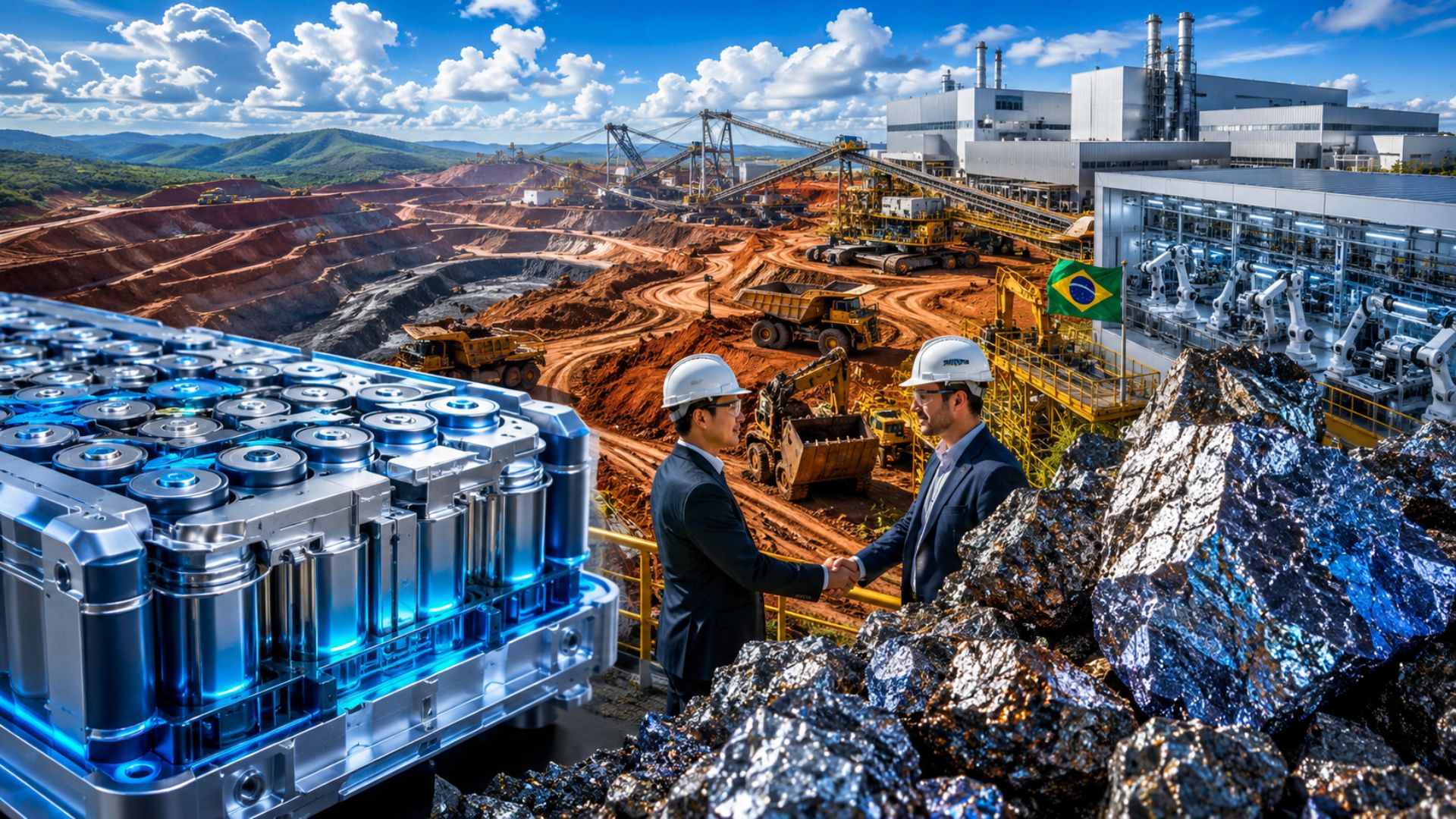
Brazil is sitting on one of the largest lithium reserves in the world, in the Jequitinhonha Valley, but national mining has almost become an appendage of China: 97% of the metal’s export goes to a single country, which also dominates refining.
Iron ore falls to 762 yuan in China as real estate sales decline and steel production hits lowest level since 2018
Brazil has minerals, clean energy, and a waiting market, but it could miss a billion-dollar opportunity if it doesn’t speed up the race for green minerals, while the steel industry seeks to reduce emissions.


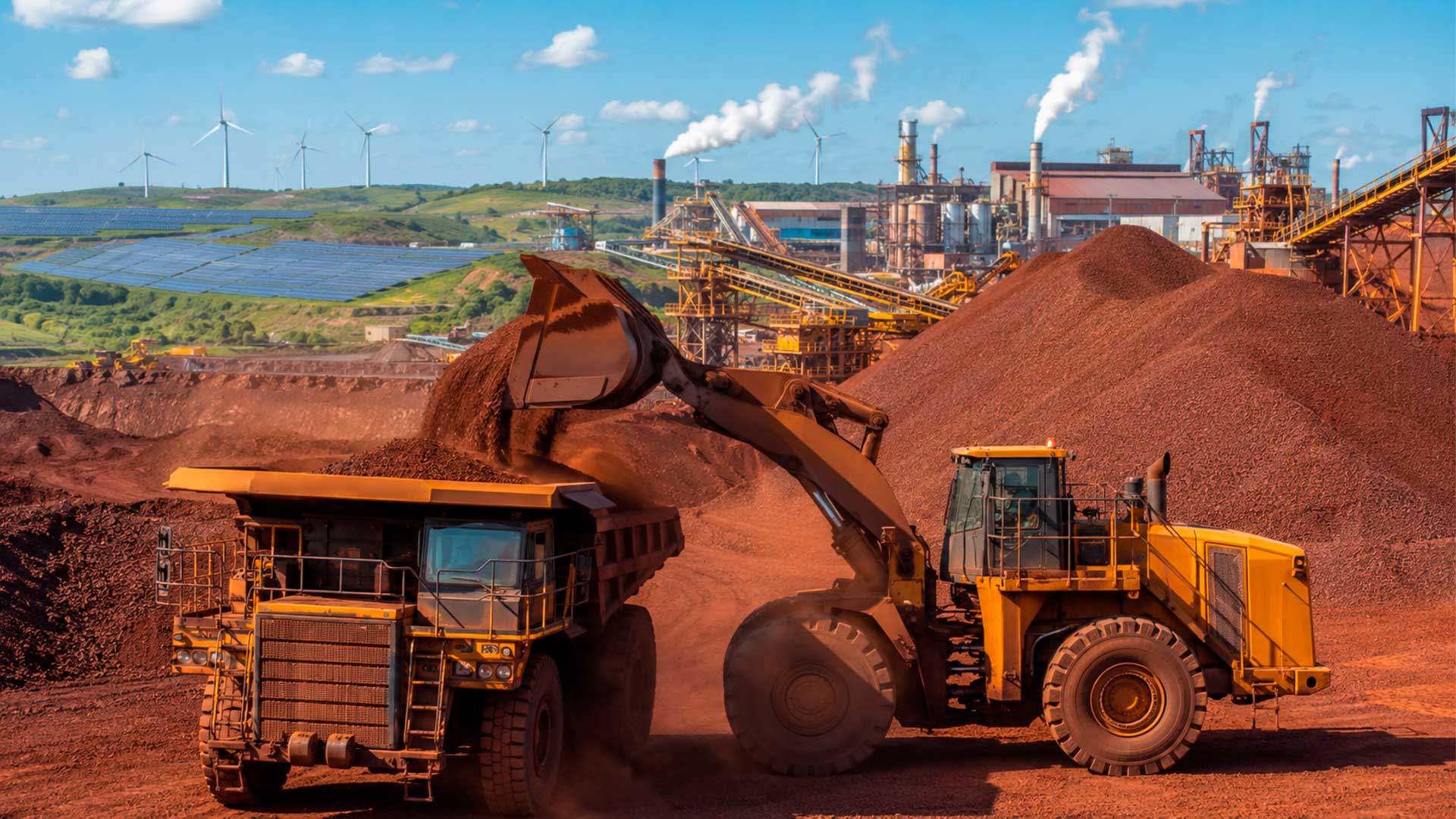
Vale’s New Bet: Critical Minerals as a New Global Vector and Support from CEO Gustavo Pimenta

The CEO’s speech marks a clear shift in positioning: moving away from exclusive dependence on iron ore and focusing on critical minerals — strategic resources for the future of technology, electric mobility, and the energy transition. For Gustavo Pimenta, these minerals will be “the oil of the next century”.
The main targets include:
- Copper, essential for generation, transmission, and electrification of the economy
- Nickel, widely used in batteries and advanced metal alloys
- High-grade iron ore, which remains indispensable for low-carbon steel
The executive emphasized that there is no artificial intelligence, renewable energy, or electrification without critical minerals, and that Vale already has a privileged position in this emerging market.
Production Expansion: Focus on Pará and the Return to Leadership in Iron Ore
One of the main moves to boost Vale’s production is concentrated on the “Novo Carajás” program, launched in Pará. With an investment of up to R$ 70 billion, the goal is to expand production in the region from 175 million to 200 million tons of iron ore per year.
“This position in iron ore, which we lost in recent years, needs to be regained. And with a difference: to offer high-value-added ore,” Pimenta said.
In addition to iron ore, the CEO highlighted the untapped potential of copper production in the North region. According to him, Brazil has fallen behind in the supply of this strategic metal, and Vale’s focus is to double its production in the next 10 years. Development will primarily come from the Carajás region.
Brazil and Canada: The Two Axes of Vale in the Market for Strategic Minerals
To establish itself in the global market for critical minerals, Vale is betting on two main axes:
Brazil, focusing on copper, premium iron ore, and new investments in sustainable mining.
Canada, where Vale is already prominent in the production of high-grade nickel, primarily serving the U.S. market — a relevant geopolitical advantage.
Despite the current global oversupply of nickel, the executive believes that the long-term strategic potential of the metal is undeniable, especially with the advancement of the battery industry and electric mobility.
Vale’s Reading of the Global Market: China, Prices, and the Commodities Cycle
Gustavo Pimenta also discussed international market conditions, highlighting the role of China, which today accounts for about 60% of global steel production. According to him, even after the crisis in the Chinese real estate sector, the country refocused on manufacturing — especially of electric vehicles — keeping the demand for iron ore high.
“Chinese steel production remains stable at around 1 billion tons. The mix has changed, but the volume remains,” he highlighted.
Regarding the price of iron ore, which currently hovers around US$ 93 per ton, Pimenta stated that if the price falls into the range of US$ 85 to US$ 90, about 150 million tons of global supply will operate at a loss. As a result, the market tends to self-regulate, sustaining the price based on the efficiency of the main producers.
Vale’s Ambition: To Return to the Top in a New Geopolitical and Technological Scenario
Beyond the numbers, the speech of Vale’s CEO signals a strategic repositioning of the Brazilian miner: to stop being merely a supplier of traditional raw materials and to become a central player in the new green and digital economy.
The goal of regaining the title of largest mining company in the world is not based solely on production volume but on strategic differentiators such as:
- Control of critical reserves for the 21st century
- Favorable geopolitical positioning (Brazil and Canada)
- Investment in minerals that drive the energy transition
- High-value-added production, focusing on sustainability
If Vale can deliver the promised volumes and secure its place in the global value chain of strategic minerals, it can indeed not only regain its prominence but also shape the future of major industrial and technological transformations over the coming decades.