





 Portuguese
  English
  Spanish
  4 min of reading
  0 comments


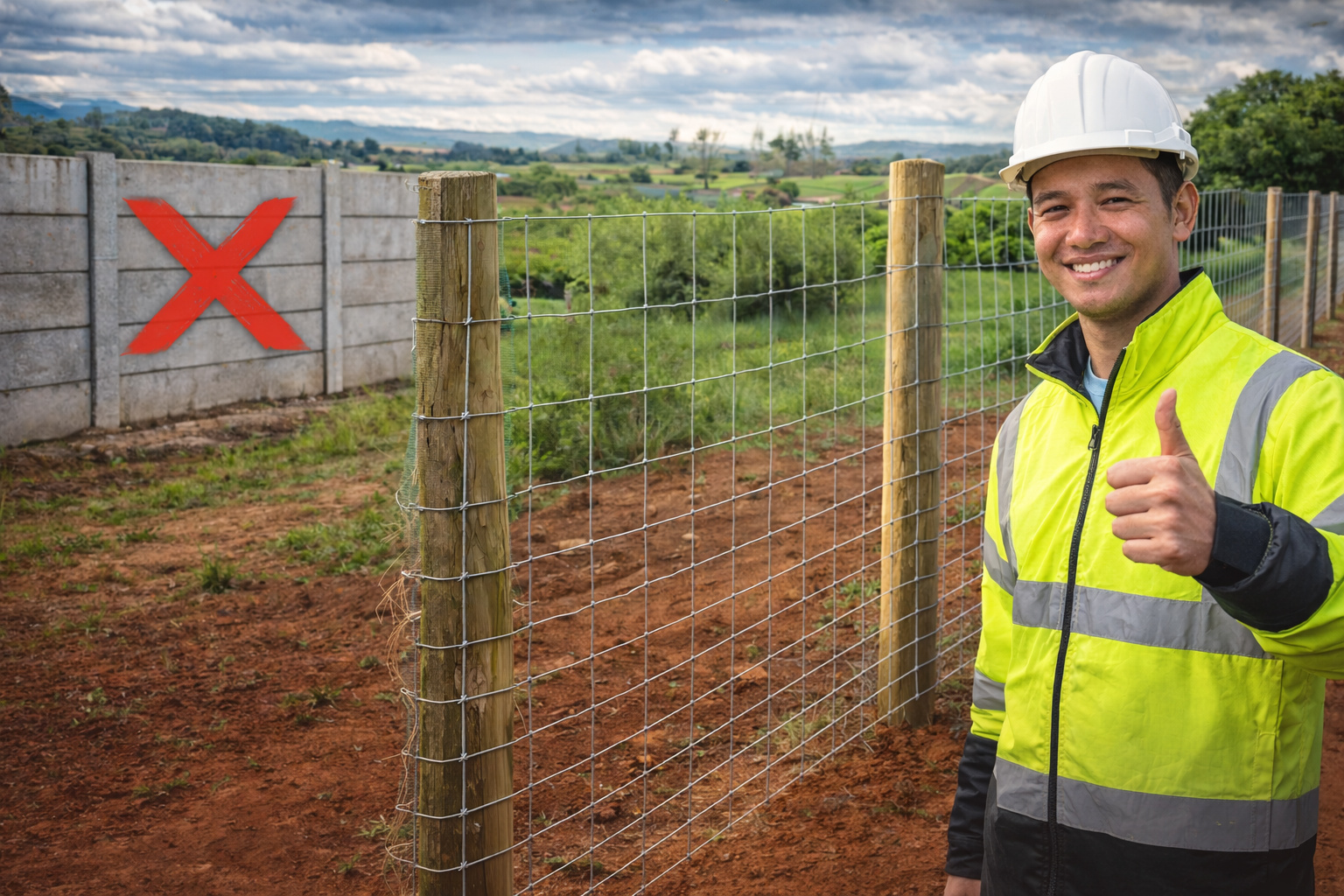
Fence with Treated Eucalyptus Posts and Galvanized Wire Mesh Emerges as an Alternative to Masonry Walls. Structure Can Cost Around R$ 40 Per Meter and Be Installed in Up to Two Days, Depending on the Terrain.
According to widely adopted practices in rural and peri-urban areas in Brazil, the combination of treated eucalyptus posts with galvanized wire mesh is one of the most used solutions for fencing properties with low cost and quick execution. The system is traditionally employed on farms, small properties, and agricultural lands, and has been adapted for residential use as an alternative to masonry walls.
Civil engineers and agricultural technicians report that this structural model can be installed in short timeframes — often over a weekend — depending on the footage and soil conditions. The cost per linear meter varies by region and material quality, but market estimates indicate significantly lower values than those of a conventional wall.
Why Treated Eucalyptus Is Used in Fences
Treated eucalyptus is widely used as a post due to its good balance between mechanical strength, durability, and cost. When subjected to industrial treatment in an autoclave with preservatives, the material exhibits higher resistance to moisture, fungi, and woodborne insects.
-
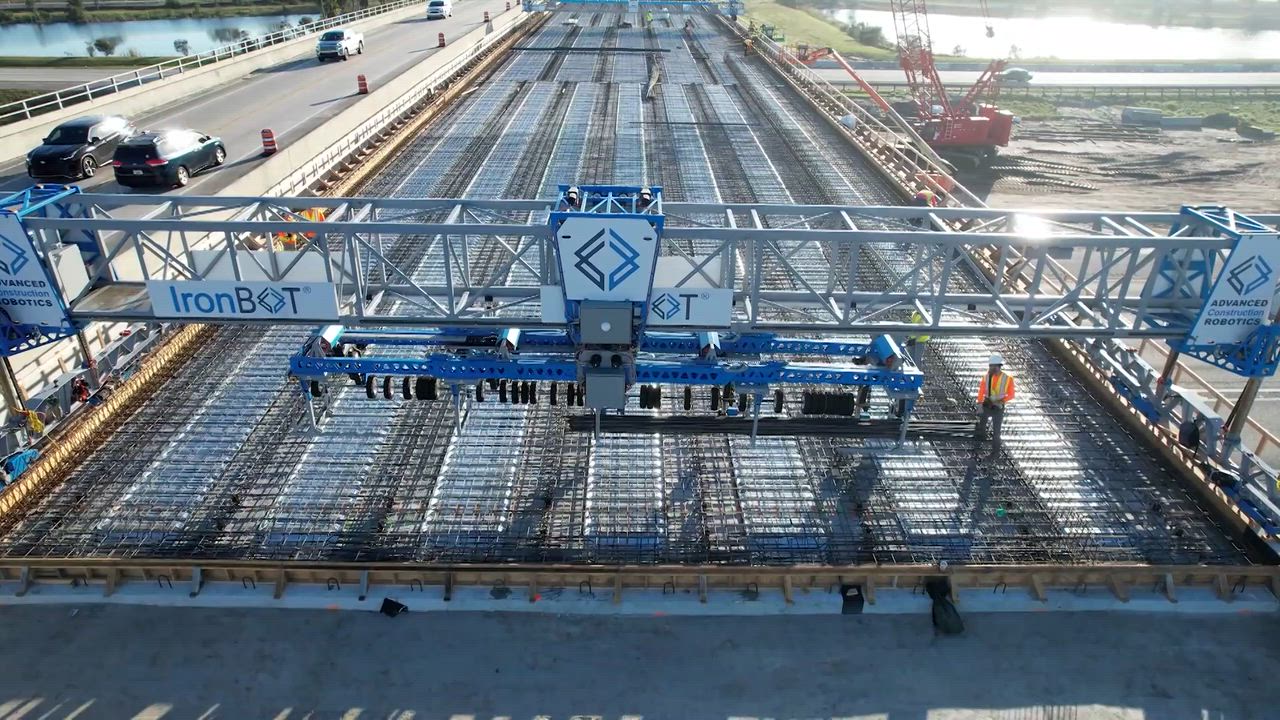
Goodbye to workers assembling rebar on construction sites: intelligent robot carries and positions more than 2.2 tons of rebar per hour, ties 1,200 intersections per hour, and promises to cut up to 50% of the schedule in bridge construction projects.

-
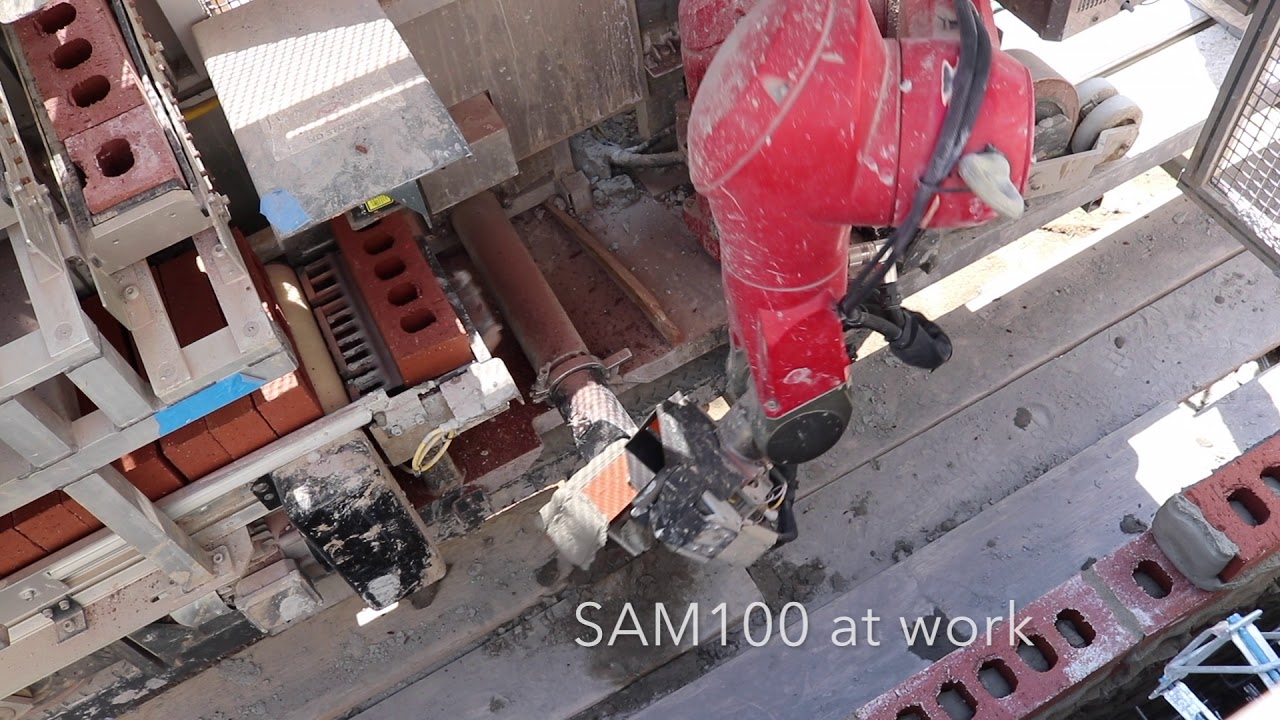
End of bricklayers laying brick by brick: robot places more than 2,000 bricks per day, automatically applies cement, works with only one human operator next to the machine, and transforms traditional masonry into a high-speed semi-automated operation.
-
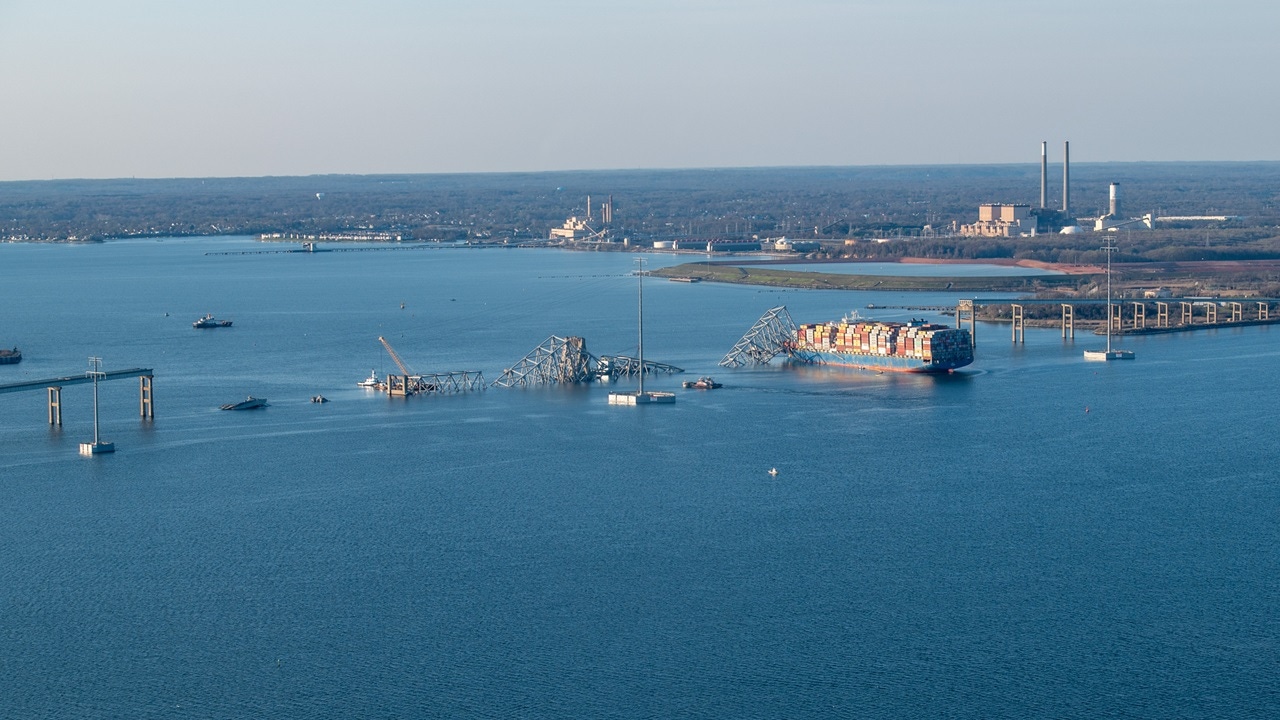
The bridge that collapsed in seconds after being hit by a ship in Baltimore will be reborn as a cable-stayed bridge: Maryland signed $4.8 billion in four contracts for a 508-meter span specifically designed to withstand the impact of a giant cargo ship.
-
End of the tape measure, marking line, and subfloor error: robot prints the project directly on the construction site floor, creates layout up to 10 times faster, and marks 10,000 to 15,000 square feet per day with one person.


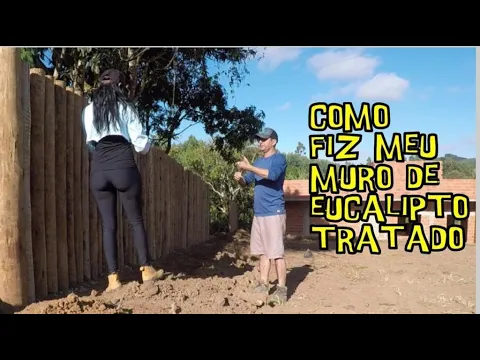

The treatment increases the lifespan of the wood in contact with the soil, reducing the need for frequent replacement. This characteristic makes treated eucalyptus a common choice in rural fences and lightweight structures.
The choice of post diameter varies according to the fence’s function. For lightweight residential fencing, smaller sections may suffice; in areas with greater structural demands, thicker posts are used.
Galvanized Wire Mesh as a Structural and Visual Element
Galvanized wire mesh — whether woven or welded — is manufactured with wire coated in zinc, providing resistance to corrosion. Galvanization protects the metal against oxidation, especially in areas with high humidity or constant exposure to rain. This type of mesh allows for:
- Clear delimitation of the property
- Natural ventilation
- Visibility of the interior
- Support for climbing plants
The combination of a rigid wooden structure and metal mesh creates a lightweight but functional system.
Installation in Short Timeframes
The execution of the fence involves relatively simple steps:
- Marking the alignment of the land.
- Drilling holes for securing the posts.
- Positioning and vertical leveling of the posts.
- Securing the galvanized wire mesh with staples or wire.
On flat land and with the right tools, small teams can cover dozens of meters per day. The lack of continuous concrete foundations — common in walls — significantly reduces construction time.
Cost Compared to Masonry Walls
A conventional wall involves:
- Foundation
- Blocks or bricks
- Mortar
- Plastering
- Painting
- Specialized labor
The cost per linear meter is typically several times higher than a fence made of posts and mesh. The mixed fence does not completely replace the structural function of a wall but meets the delimitation purpose with a lower investment.
Transformation into Living Fence
One of the most commonly used adaptations is to transform the structure into a living fence. By planting climbing or shrub species along the mesh, a vegetative barrier is created that offers:
- Privacy
- Partial shading
- Reduction of visual impact
- Landscape integration
Species such as “sansão-do-campo,” bougainvillea, jasmine, and ivy are frequently used in this type of application. Vegetation becomes an additional layer of visual and environmental protection.
Durability of the Structure
Durability depends on factors such as:
- Quality of the wood treatment
- Type of galvanization of the mesh
- Climatic exposure
- Soil drainage
Properly treated posts can last several years even in contact with the soil. The galvanized mesh also shows good corrosion resistance when installed correctly.
Application in Rural and Urban Areas
Historically, this type of fencing has been predominant in rural properties. However, its adoption in urban areas has grown due to the more accessible cost.
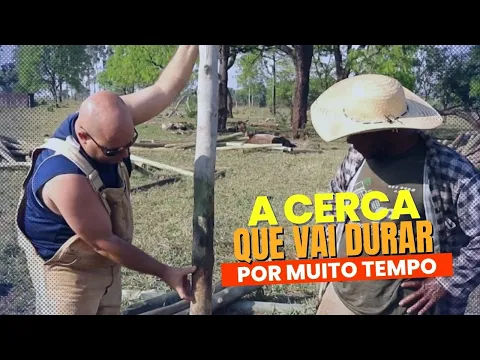
In horizontal condominiums and large plots of land, the solution appears as a viable alternative for side and rear closures.
Safety and Limitations
Although effective for delimitation, the mesh fence does not offer the same level of structural safety as a reinforced concrete wall.
The resistance depends on the thickness of the mesh and the securing of the posts. For applications requiring greater physical protection, additional reinforcement may be necessary.
Environmental Impact and Sustainability
The use of wood from reforestation — such as eucalyptus — contributes to lower environmental impact compared to concrete structures.
Additionally, the possibility of incorporating vegetation transforms the fence into a functional landscape element. The structure also allows for easy maintenance and selective replacement of parts.
Technical Adaptation
Engineers and technicians recommend attention to the depth of the post foundations. Ideally, at least one-third of the post should be buried to ensure stability.
In very sandy or unstable soils, reinforcement with concrete at the securing point may be necessary. Proper tensioning of the mesh is another important factor to avoid deformation.
The living fence structured with treated eucalyptus posts and galvanized wire mesh represents a consolidated solution in rural areas and is increasingly present in residential areas.
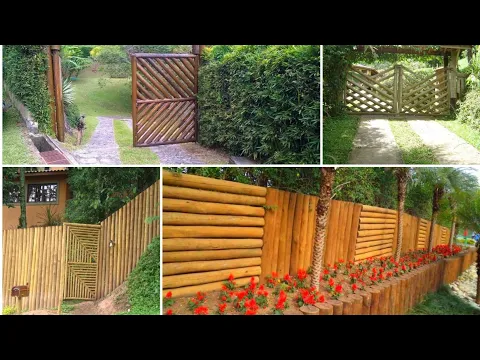
With simplified installation, reduced cost per meter, and the possibility of integration with vegetation, the system offers a functional alternative to traditional walls.
The lightweight structure, combined with vegetation, creates a physical and visual barrier with an investment lower than that of masonry, provided it is applied according to best installation practices.
The adoption of the model depends on the specific needs of each property, but its wide use demonstrates technical and economic viability in different contexts.





-

1 person reacted to this.