






 Portuguese
  Spanish
  4 min of reading
  0 comments


Four pelicans were born in the traditional London park, where the species has lived for over three centuries, and now receive specialized care before their first entry into the water.
An unprecedented scene surprised specialists, caregivers, and visitors in the heart of London.
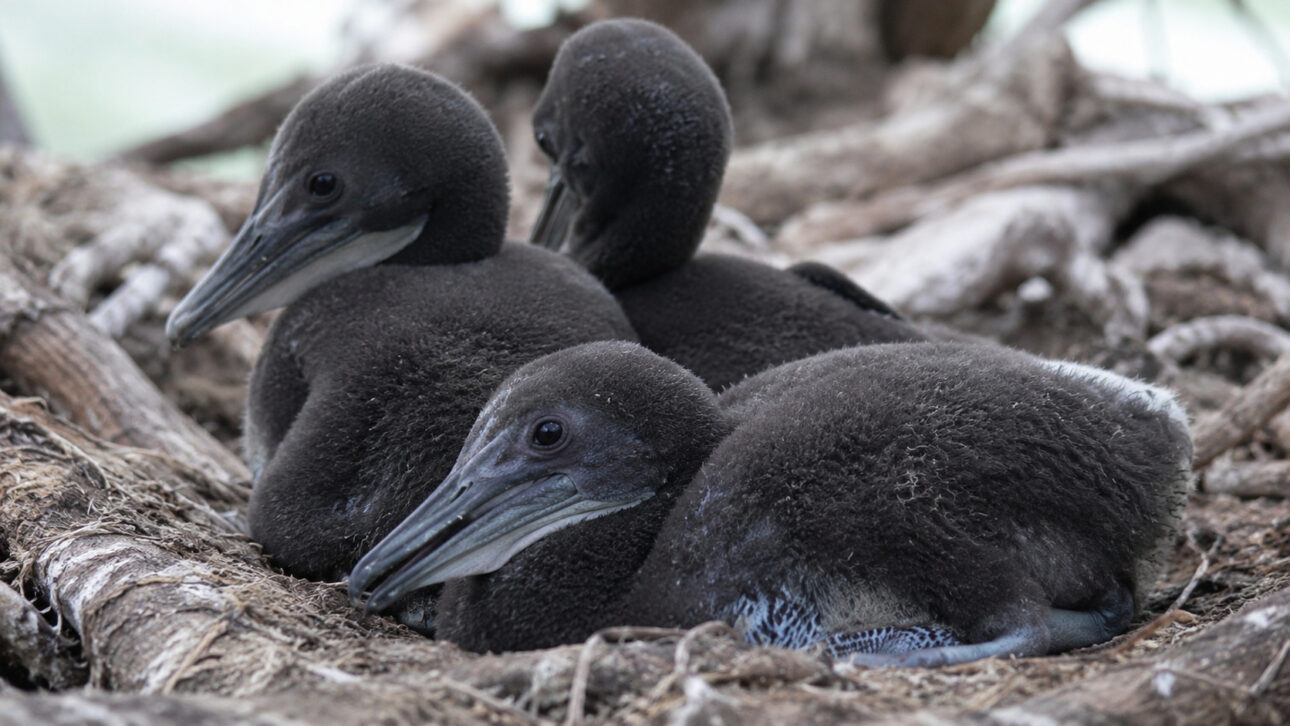
Four pelican chicks were born in St James’s Park, located in the central region of the British capital.
The event represents the first successful natural reproduction of these birds in the park in over 360 years.
-
NASA captured by satellite an underwater volcano erupting in the Bismarck Sea, in the Pacific, and now scientists are waiting to see if a new island will be born there in front of the cameras, a very rare phenomenon to witness live from space.

-
The Atacama Desert, the driest place on Earth, was covered in flowers and turned into a colorful carpet with more than 200 species in the phenomenon called “desert bloom,” when atypical rains awaken seeds that had remained dormant in the soil for many years.
-
The Caspian Sea, the largest lake in the world, is drying up due to climate change and no one can stop the loss: evaporation could lower the level by up to 21 meters this century and turn ports in Kazakhstan, such as Aktau, into desert.
-
How Romania became Hitler’s “gas station,” supplying about half of the oil used by Nazi Germany, and surprised the world by abandoning the Axis in 1944, just when the fuel shortage was beginning to suffocate the Third Reich.




Information released on June 19, 2026 indicates that the first chick broke the shell on May 17.
Three other chicks were born later and also managed to survive the first month of life.
This period represents an important stage for the growth and initial survival of the birds.
Historic birth surprises specialists in the heart of London
The reproduction surprised the professionals responsible for the conservation of the British royal parks.
According to Mark Wasilewski, manager of St James’s Park, the team was astonished by the birth of the four chicks.
The manager told the newspaper The Guardian that the episode represents a completely unprecedented situation for the local staff.
All the chicks remained alive during the first month, a result that increased the caregivers’ optimism.
The birth has come to be considered a milestone in the environmental history of the traditional London park.
Pelicans have lived in St James’s Park since the reign of Charles II
The history of pelicans in St James’s Park began in 1664, during the reign of Charles II.
In that year, the Russian ambassador presented the British Crown with the first pair of these birds.
The pelicans have since become well-known residents and symbols of the royal park.
No previous generation, however, had managed to reproduce naturally with success at the location.
The four chicks represent the first successful brood since the arrival of the pelicans at the park.
The birth ended a wait that spanned different reigns and more than three centuries of British history.

Isolation during avian flu may have favored reproduction
An avian flu outbreak temporarily altered the routine of the six adult pelicans at the beginning of 2026.
The birds were kept isolated in a protected area of Duck Island as a safety measure.
The caretakers released the animals to roam the park again in April.
The team noticed shortly after the release that the pelicans had started building nests.
The period of isolation may have favored the closeness between the birds and stimulated reproductive behavior.
Mark Wasilewski humorously related the prolonged cohabitation to the birth of the chicks.
The females Star and Gargi participated in reproduction along with the adult males of the group.
Unusual appearance made chicks resemble small dinosaurs
The chicks were born featherless, with dark bodies, and completely dependent on the adult pelicans.
Park employees compared the small birds to dinosaurs because of their appearance in the first days.
The unusual aspect did not reduce the brood’s appetite, which began to grow rapidly.
Mark Wasilewski explained that the intense food consumption is a positive sign during this phase.
The accelerated development also increased the survival expectations of the four chicks.
Experts monitor growth and health of the brood
The conservation work brings together professionals from St James’s Park, the Blackpool Zoo, and the Royal Veterinary College.
Specialists monitor the feeding, growth, and health conditions of the new park residents.
The technical collaboration aims to ensure that the entire brood safely reaches the next stages of development.
The chicks have not yet started swimming with the adult pelicans.
The first entry into the water should occur when the birds are approximately 12 weeks old.
Visitors must keep their distance from the nests
Visitors need to respect the safety guidelines established by the St James’s Park administration.
The public should keep their distance from the nests and avoid movements that could scare the pelicans.
This precaution allows the adults to continue protecting and feeding the chicks without external interference.
The first brood of pelicans born in St James’s Park in over 360 years can thus continue to grow safely.
The event represents a historic chapter for the local wildlife and for the royal parks of London.
Could the birth of these four pelicans increase the attention given to bird conservation in urban parks? Share your opinion!






Be the first to react!