






 Portuguese
  Spanish


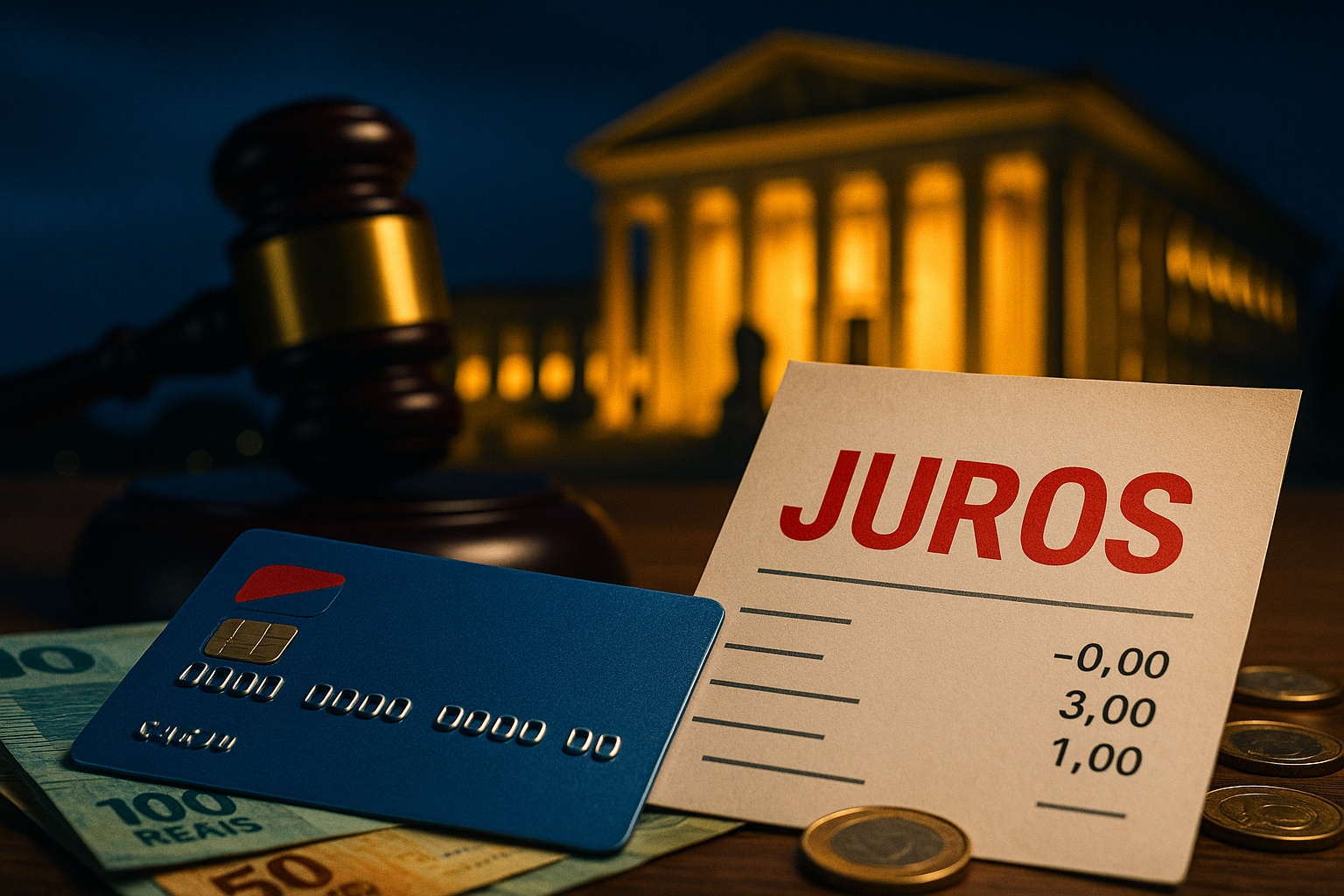


Abusive Charges on Overdraft Leads to Double Refund and Compensation. Courts Have Set Even R$ 6,000 in Moral Damages Against Banks.
The overdraft is one of the most expensive types of credit in the Brazilian financial system. In 2024, even after the cap imposed by the Central Bank of 8% per month, many consumers continued to report illegal charges, hidden interest in fees, and problematic contractual revisions.
When the charge exceeds what is allowed or is made without transparency, the courts have considered the practice abusive, subjecting banks to double refunds, according to Article 42 of the Consumer Protection Code (CDC), in addition to compensation for moral damages.
What the Law and Jurisprudence Say
The CDC protects consumers against abusive clauses and unfair practices, especially in banking contracts.
-
Are Companies Required to Release Employees During Brazil’s World Cup Matches? Understanding Workers’ Rights

-
Brazilian Family’s Homeschooling Success Sparks International Debate: Daughters Read 30 Books Annually and Speak Multiple Languages

-
Piauí Governor Enacts Law Requiring State Contractors to Reserve Jobs for Former Inmates with Minimum Wage and Verification Before Payment
-
Providing Your Tax ID at Supermarkets: A Routine Step That Can Unlock Discounts and Rewards but Also Reveals Your Shopping Habits



Article 39, V, for example, prohibits demanding manifestly excessive advantages. Meanwhile, Article 42 guarantees that, in the case of undue charges, the consumer has the right to a refund of the amount paid in double, plus interest and monetary correction.
The STJ has already established that banks are service providers and are objectively liable for undue charges (Summary 479). In cases of abusive interest on overdrafts, state courts have been recognizing not only the refund but also compensation for moral damages, especially when the charge compromised the financial dignity of the customer.
Practical Cases Decided by the Courts
- In 2023, the TJSP ordered a bank to refund double the amounts charged as abusive overdraft interest, in addition to awarding R$ 6,000 in moral damages to the client.
- The TJMG recognized a consumer’s right to recover fees embedded in the overdraft that masked illegal interest, ordering compensation of R$ 5,000.
- In decisions from 2022 and 2024, other courts confirmed that charges above the cap set by the Central Bank constitute abusive practices, subject to immediate refund.
These precedents show that this is not an exception: banks have been systematically held accountable for abusive practices in overdrafts.
What Amounts Can Be Refunded and Compensated
Condemnations generally include:
- Double refund of the amounts charged excessively;
- Monetary correction and legal interest;
- Moral damages, which typically range from R$ 3,000 to R$ 6,000 on average, potentially higher when the customer suffers credit restrictions or has their name unjustly reported.
Thus, a consumer who paid R$ 2,000 in abusive charges could recover R$ 4,000, plus moral compensation, totaling amounts that exceed R$ 10,000 in some cases.
How the Consumer Can Act
To assert their rights, the consumer should:
- Gather bank statements showing overdraft debits;
- Request, in writing, an explanation from the bank regarding the fees and charges applied;
- File a complaint with the Central Bank and the Procon;
- If there is no resolution, file a revision lawsuit in the Small Claims Court, seeking double refund and compensation for moral damages.
Lawyers advise that, even without complex calculations, it is possible to prove abusive charging with bank statements and the regulatory limit set by the Central Bank.
Judicial decisions make it clear that abusive interest on overdrafts will not be tolerated. The consumer not only has the right to recover what was overpaid but can also receive compensation for moral damages of up to R$ 6,000.
For banks, the message is clear: transparency is mandatory and abuse is costly. For consumers, the lesson is that it is not necessary to accept illegal charges — simply seek the courts to recover amounts and demand reparation.





Os juros dos cartões de créditos também muintos alto de um dia 48 reais mais os embargos e muinto coisas de um cartão de crédito de 460 pue gastei no mes me cobaram 524 no Itaú nao consigui pagar e um absurdo
Banco Sicredi faz isso mesmo sem autorização do cliente, daí quando vc ocupa o valor que é liberado, infelizmente eu precisei e agora estou com a dívida extrapolada devido ao empréstimo que tenho com o Banco,mas não consigo pagar este tipo de acordo por causa deste cheque especial que está envolvido com o empréstimo que eu havia feito! Pago juros altos sobre o empréstimo e também por esta liberação de crédito emergencial que é abusivo affs!