






 Portuguese
  Spanish


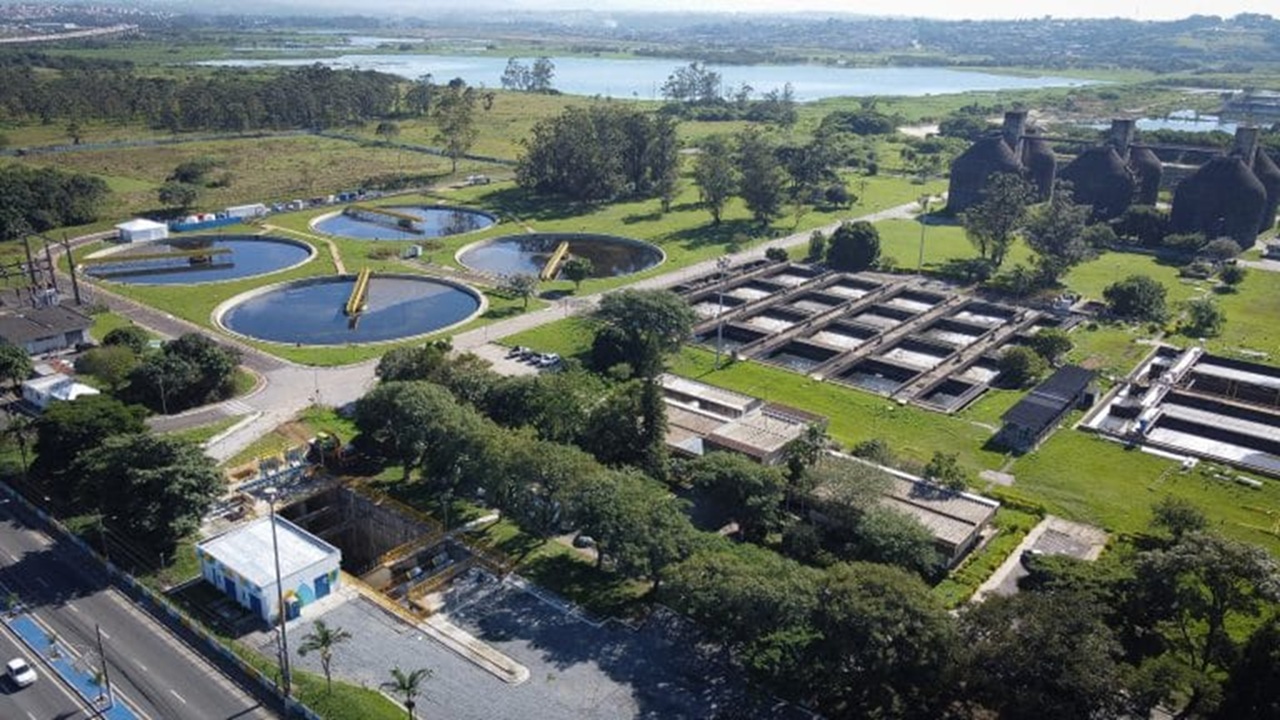

After the privatization of Sabesp, São Paulo increased the investment forecast to accelerate the universalization of basic sanitation by 2029, with billion-dollar investments in drinking water, sewage collection and treatment, as well as projects aimed at water security and the inclusion of vulnerable families.
Sabesp plans to invest R$ 369 per inhabitant in basic sanitation in the coming years in São Paulo, almost three times the national average for 2024, following the privatization carried out in August by the State.
Investment per inhabitant exceeds national average
The forecasted amount is above the R$ 225 per inhabitant deemed necessary to universalize services by 2033. Between 2017 and 2024, before the privatization, the company invested an average of R$ 171 per inhabitant.
With the new cycle, the goal is now to bring forward universalization to 2029, four years ahead of the deadline set by the New Sanitation Legal Framework. The plan foresees R$ 70 billion to be applied by 2029.
-
At 14 years old, she worked in a factory in Hong Kong, studied economics abroad, and then entered the Chinese real estate market, which helped change the landscape of Beijing.

-
While NATO secured more than $10 billion in missiles and space surveillance at a single forum, Brazil still spends 1.1% of its GDP on defense and is stalling its own anti-aircraft system.

-
Corn ethanol attracts R$ 23 billion in 21 new plants and prepares for a nearly 50% jump in Brazilian production by 2027, even with high interest rates.
-
A newly opened terminal in the middle of the Amazon has begun transporting soy and corn through Amapá, eyeing the queue of ships that is congesting the ports in the South.


Tarcísio de Freitas stated that São Paulo is experiencing a “revolution in basic sanitation,” with actions to protect water resources, reduce pollution, and improve quality of life.
Basic sanitation plan foresees R$ 260 billion
The expansion is part of the Regional Basic Sanitation Plan, which foresees R$ 260 billion by 2060 by Sabesp. Of this total, R$ 70 billion will be allocated to drinking water, sewage collection, and treatment by 2029.
In 2025, São Paulo received R$ 15.2 billion from Sabesp to expand treated water and sewage, an increase of 120% compared to the previous R$ 6.9 billion.
In the first quarter, goals for 2024 to 2026 reached 87% in supply, 77% in sewage collection, and 71% in treatment.
Treated water changes routine after decades
In Vila São Francisco, in Poá, Maria Helena da Silva, 58 years old, was the first resident to receive treated water from Sabesp after 40 years of waiting.
She reported that residents depended on an illegal hose, with low pressure, and it took two hours to fill a bottle. With piped water, the routine now includes hot showers, water for drinking, cooking, and washing clothes.
The expansion is also accompanied by Na Rota da Água, which gives visibility to water security, supply, and universalization projects. The initiative involves technical visits to more than 1,100 sites.
Among the deliveries are projects in Itapecerica da Serra, Embu das Artes, and Embu-Guaçu, stations in Caieiras and Franco da Rocha, and expansion in Francisco Morato.
IntegraTietê expands treatment and social tariff
In IntegraTietê, the expansion and retrofit of the Barueri Sewage Treatment Plant, the largest in Latin America, was contracted. The investment is R$ 5.7 billion, with completion expected by 2029.
Once completed, the project is expected to increase the plant’s treatment capacity by 40.6% and benefit around 4 million people. Sabesp serves 376 municipalities in São Paulo, with approximately 28 million inhabitants.
The investments also reach vulnerable families. The Tarifa Social Paulista reached 6 million beneficiaries, with up to 78% discount and automatic enrollment for updated CadÚnico and BPC beneficiaries.








