






 Portuguese
  Spanish
  2 min of reading
  0 comments


Chevron Oil Company Negotiates Stake in Two Assets in Canada with Local Firm.
You won’t believe Chevron’s latest move! The oil giant announced the sale of stakes in oil and gas exploration fields in eastern Canada to Canadian Natural Resources for an impressive US$ 6.5 billion (R$ 35.29 billion).
The deal involves a 20% stake in the oil sands field of Athabasca and 70% in the gas and oil shale fields of Duvernay. These oil fields are strategic, and the sale signals a significant shift in Chevron’s strategy.
Oil Company Aims to Sell Between US$ 10 Billion and US$ 15 Billion
The transaction, which is entirely cash-based, is retroactive to September 1 and is expected to close by the end of the year, pending necessary regulatory approvals. Chevron aims to optimize its global portfolio, planning to sell between US$ 10 billion and US$ 15 billion (R$ 54.3 billion and R$ 81.45 billion) in assets by 2028.
-
Oil production grows in Rio, but reserve replacement raises a warning sign

-
Petrobras is expected to complete the drilling of the Morpho well in the Foz do Amazonas in August 2026, the first well in the Equatorial Margin, an oil frontier that the ANP estimates at more than 30 billion barrels and could redraw the map of Brazil.

-
Oil returns to the center of concerns with tension between the US and Iran

-
IEA reduces forecast for global oil demand in 2026 after impacts of the Middle East crisis
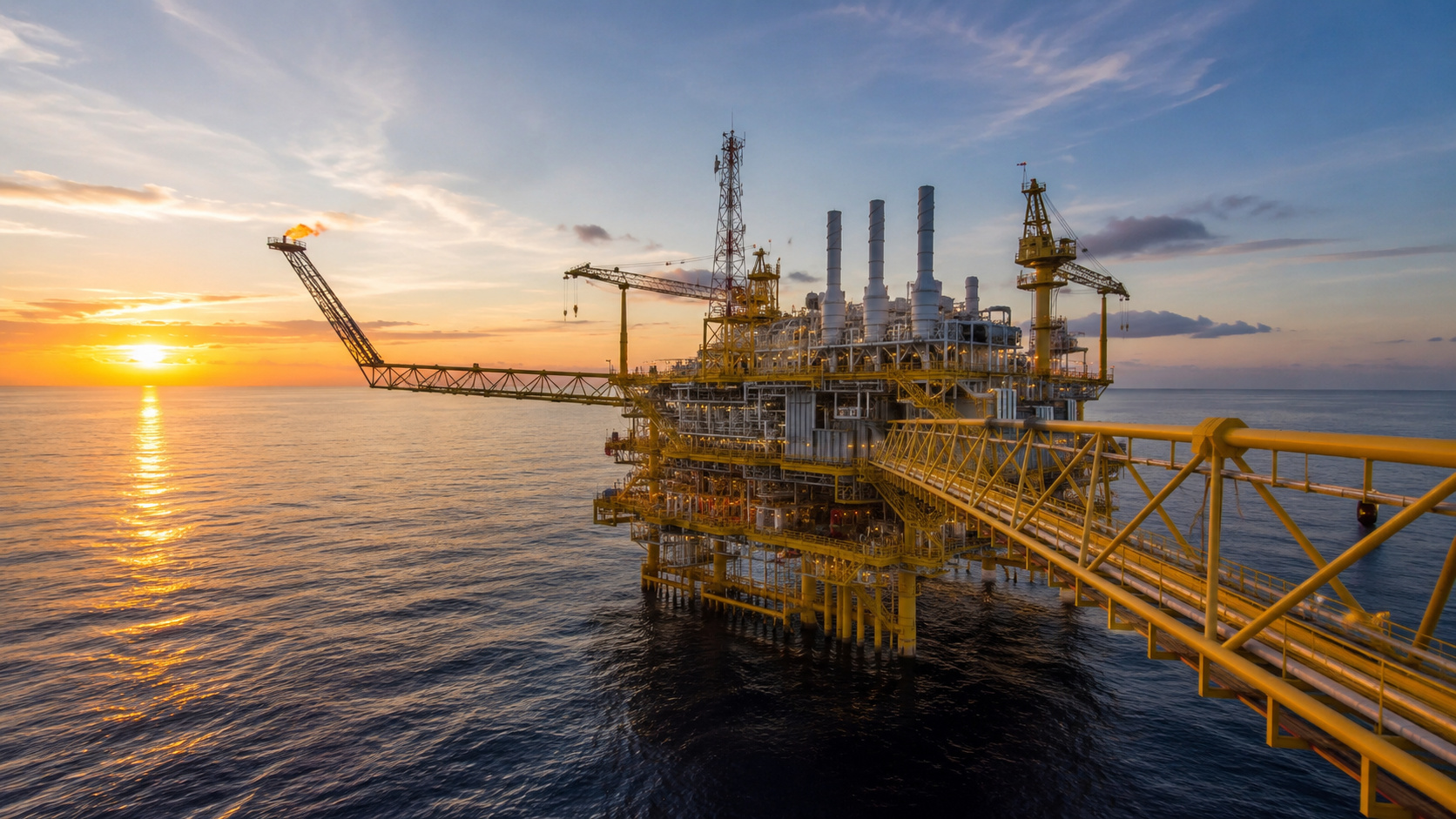


These assets, located in Alberta province, accounted for a daily production of 84 thousand barrels of oil for Chevron in 2023, after royalty payments. The sale of these oil fields will allow the company to reallocate resources and invest in projects deemed more profitable or strategic.
Chevron in Brazil
Chevron has a historical presence in Brazil, primarily operating in oil and natural gas exploration and production. The company started its operations in the country in the early 20th century and has participated in various offshore exploration projects over the years. One of Chevron’s main assets in Brazil was the Frade Field, located in the Campos Basin, where the company operated with significant participation. This deepwater oil field is situated approximately 370 kilometers off the coast of Rio de Janeiro.
In recent years, Chevron has been adjusting its portfolio in the country, selling stakes in some assets to optimize its global operations. Despite reducing its direct presence in certain projects, the company remains committed to the Brazilian market, seeking opportunities that align with its business strategy. Chevron upholds its commitment to safe and environmentally responsible operational practices, adhering to strict international and local standards across all its activities in Brazil.
Does this move by Chevron indicate a new trend in the oil market? What do you think is coming next? Share your thoughts in the comments!







Be the first to react!