Portuguese
  Spanish


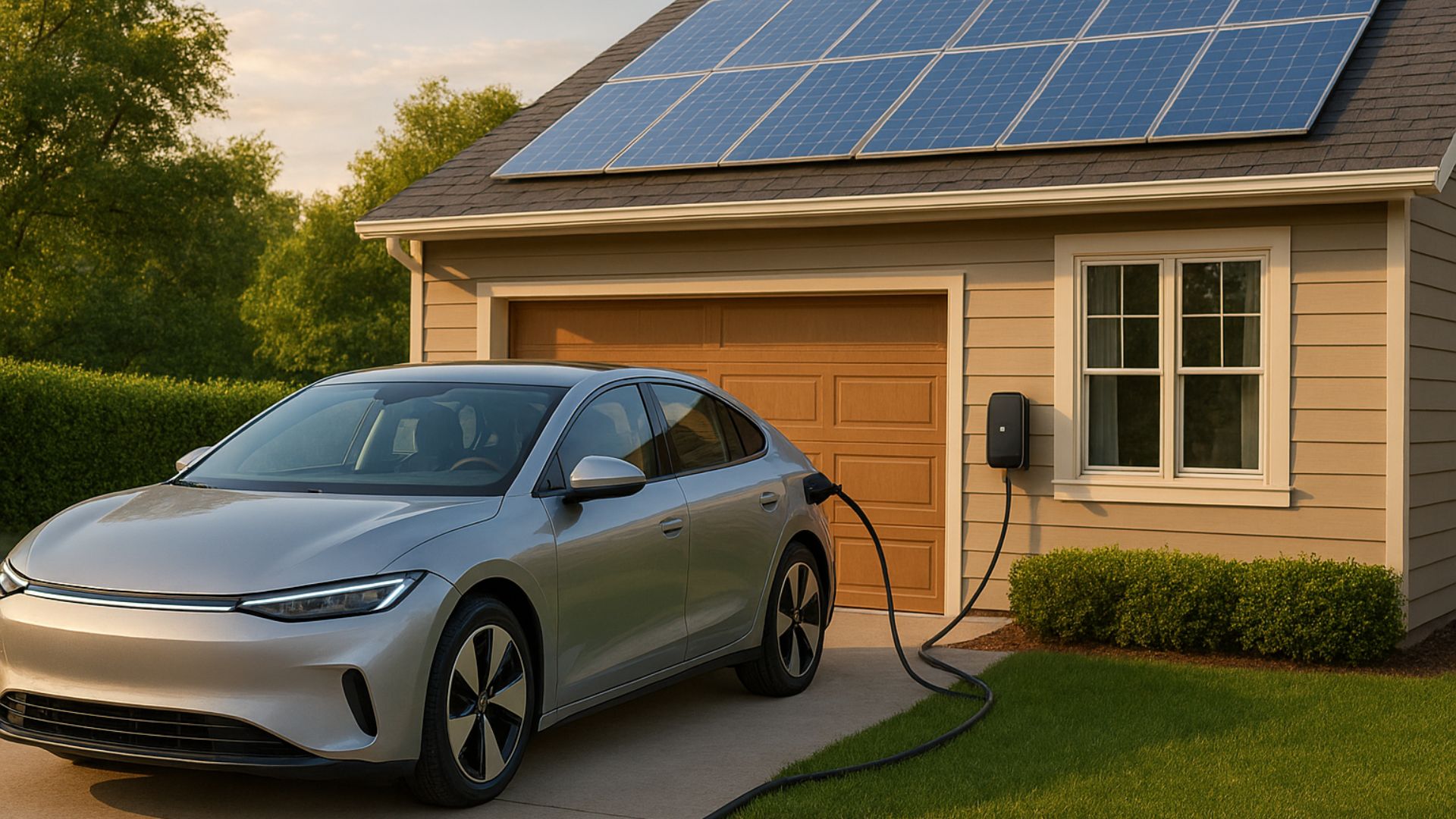

China Advances Sustainability By Testing Electric Cars That Can Feed Energy Back To The Grid. V2G Technology Transforms Vehicles Into Mobile Batteries And Promises To Change The Use Of Electricity In The Country
China announced a pioneering project: to use its vast fleet of electric cars as mobile batteries, through V2G technology, to inject energy back into the grid and power homes. The original report from Xataka Brazil, published this Sunday (23), revealed that the government has already installed 30 bidirectional stations in nine cities, as part of a pilot that could expand to thousands by 2030.
V2G Pilot Project And Mobile Batteries Using Electric Cars
This initiative represents an important strategy for sustainability, energy efficiency, and strengthening the national power grid, while also offering financial incentives for vehicle owners.
The plan, disclosed by Rest of World, involves using electric cars to store electricity when demand is low and return it to the grid during peak times. Currently, 30 bidirectional stations are already operating in nine Chinese cities as part of an experimental program.
-
Green Roofs on Homes Gain Popularity for Reducing Heat, Noise, and Rain Impact in Brazil

-
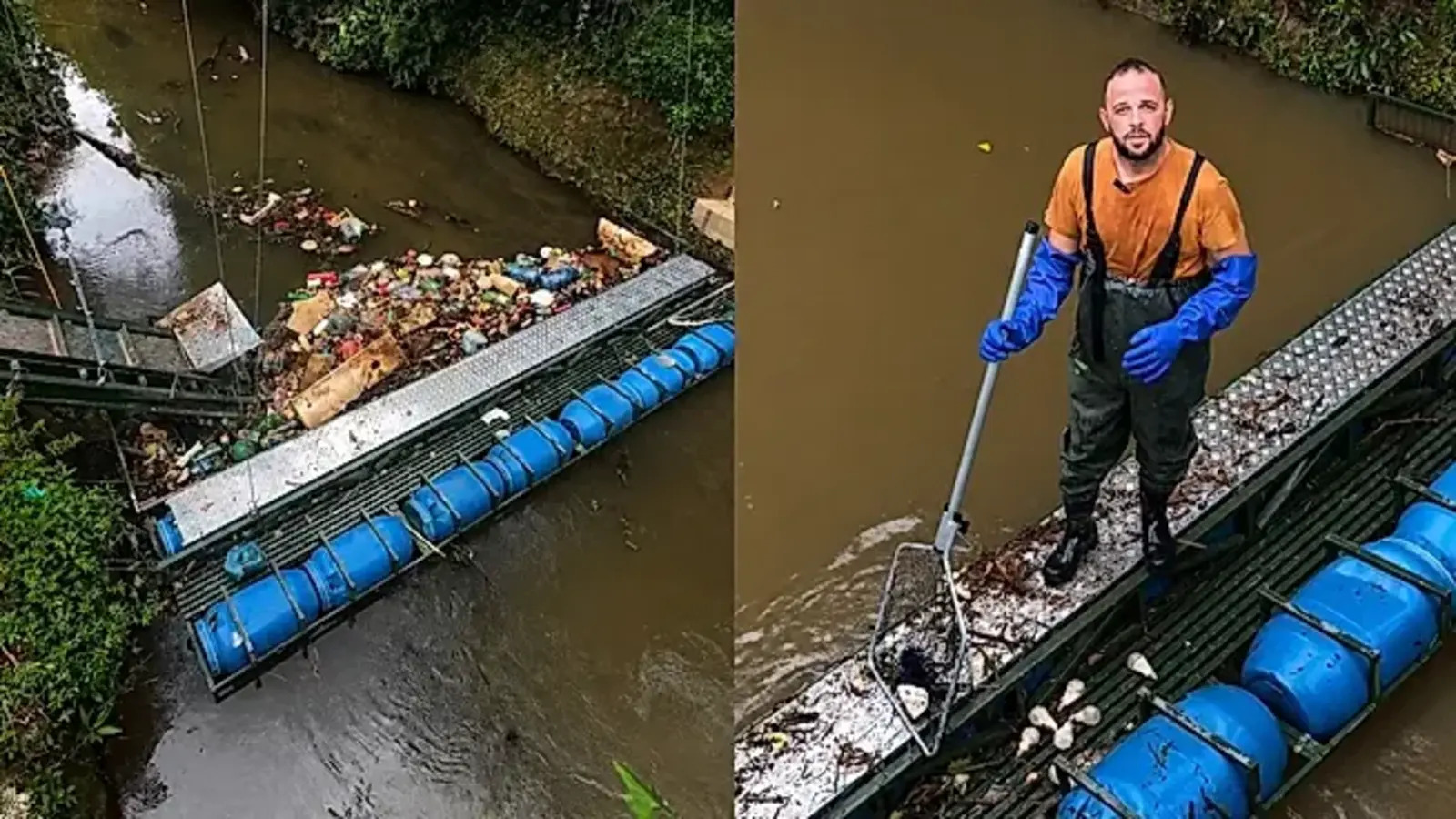
Brazilian promises his children to save a river, creates an eco-barrier in his backyard, has already removed more than 40 tons of trash from the water, and even inspires the idea in other states of the country.

-
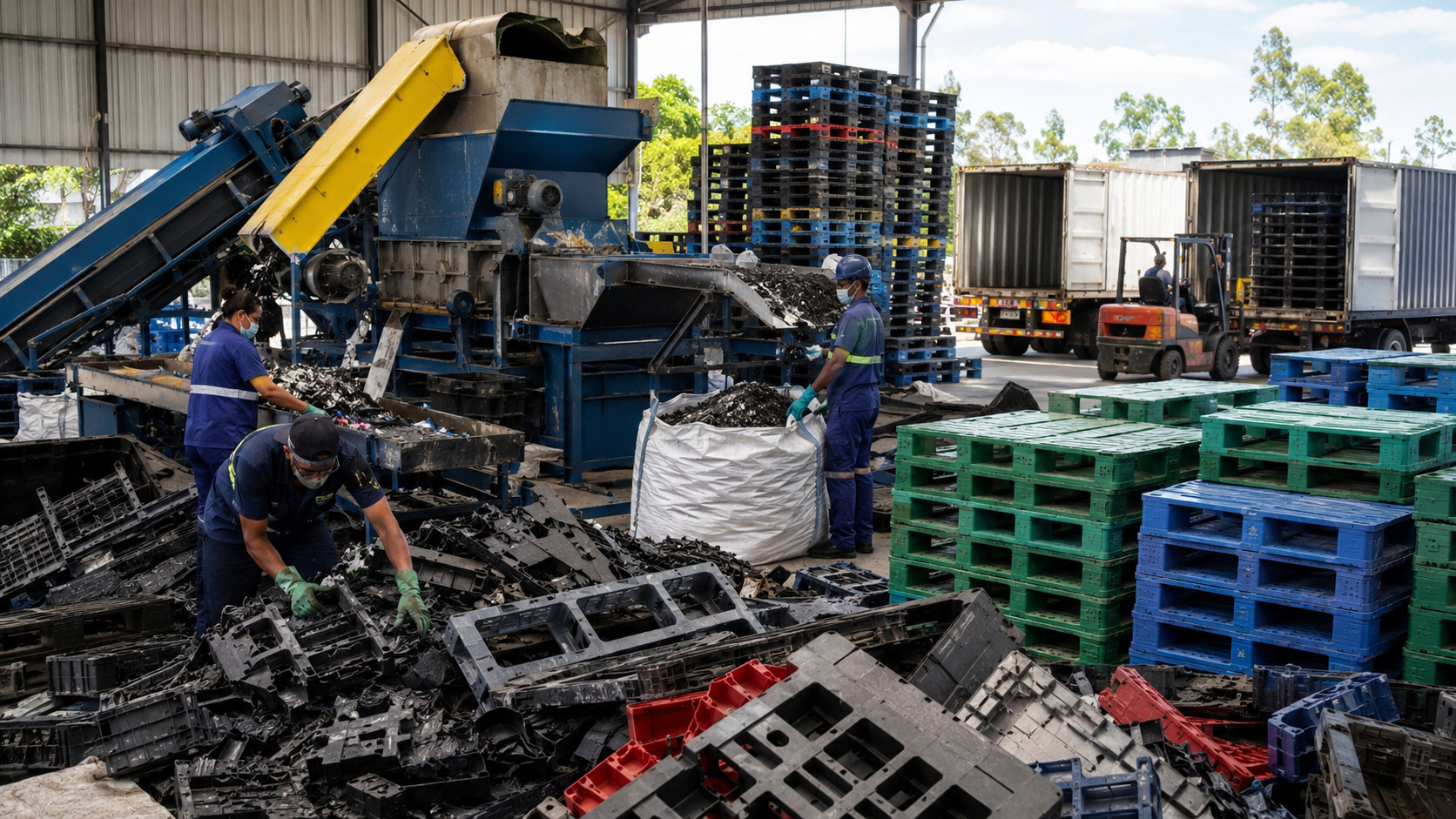
How a Brazilian company created a system that transforms broken pallets of any brand into new assets, recycles 80 tons of plastic per month, and found a profitable solution to a problem that challenges industries across the country.
-
Invasive bullfrog capable of devouring other amphibians and laying up to 20,000 eggs is found in Florianópolis, raising an alert about the threat to native fauna.


According to the data, the government aims to expand to 5,000 stations by 2027 and achieve a total capacity of 1 billion kW by 2030. With this scheme, vehicles would no longer be just means of transportation, but also active components of the electrical system: true distributed mobile batteries.
Financial Incentives For Electric Car Drivers
Owners participating in this program can earn money. In initial tests, the Chinese government offered up to 1,400 yuan per charge cycle (about R$ 1,046) to drivers who return energy back to the grid at the right times.
According to supplemental reports, some vehicle owners are already reporting monthly earnings around 500 yuan (about R$ 390) by providing energy during high tariff periods. This creates an attractive business model for users, who begin to see their cars as a source of generation as well.
Scale And Impact On The Grid
China already leads globally in electric mobility, with its fleet of electric cars among the largest in the world. Integrating this fleet with the electrical grid using V2G can have a significant impact:
- Increased grid resilience: with cars acting as distributed storage, the grid can better handle demand spikes.
- Reduced dependence on fossil fuel plants: the energy stored in vehicles can replace part of the polluting generation during critical times.
- Waste reduction: energy stored in vehicles can be optimized for domestic use or to support grid load.
Explaining V2G Technology In Electric Cars
Vehicle-to-Grid (V2G) is the technology that allows bidirectional energy flow between an electric car’s battery and the electrical grid. In other words: the vehicle can both receive charge and return energy to the grid.
For it to work, bidirectional charging stations and a smart grid are needed to determine when it’s more advantageous to discharge or charge. Additionally, a measurement system that accurately records these flows and determines compensation for vehicle owners is required.
Broad Energy Strategy
Charging Infrastructure
China is heavily investing in charging points for electric vehicles. According to data from the National Energy Administration, by mid-2025 there were already 13.8 million charging points in the country — a 48% increase compared to the previous year.
Another survey points to 16.7 million chargers by July 2025, according to InsideEVs. This robust network facilitates the adoption of more advanced projects, such as the use of V2G and mobile batteries.
Long-Term Vision
With the expansion of bidirectional stations and the large number of compatible vehicles, China could become an “electrostate”, where electrified cars are not only consumers of energy but also active participants in generation and storage.
This model is a key piece for its energy transition strategy, reducing emissions and strengthening the power grid with distributed participation.
China Initiative: Benefits For Citizens
The program brings concrete advantages for vehicle owners:
- Financial Gain: Get paid for making the battery available to the grid during peak times.
- Optimized Battery Use: The vehicle becomes an economic asset, not just for transportation, but for energy storage.
- Contribution To Sustainability: By participating, the driver helps the grid depend less on polluting sources.
- Energy Security: More stability and less risk of overloads or blackouts.
Additionally, there is a collective impact: the more cars participate, the greater the distributed storage capacity available for the entire population.
Challenges And Barriers
Despite the high potential, the project faces obstacles:
- Battery Lifespan: Repeated discharges can accelerate battery wear, raising concerns about cost and durability for owners.
- Economies Of Scale: There is still a great need to expand the number of bidirectional stations to support mass penetration.
- Regulation: Clear contracts, compensation policies, and market rules are essential to make the model sustainable.
- User Adoption: Many drivers may hesitate to participate for fear of reducing the vehicle’s lifespan or lack of trust in the system.
Experts also point out that finding a viable business model for this system (without excessive subsidies) is crucial for its long-term success.
Investment In Sustainability: Global And Future Relevance
The China project is not isolated. Universities and research centers are studying similar strategies to integrate V2G into other networks around the world. For example, simulation platforms already allow modeling the impact of V2G on urban traffic and electrical networks.
There are also studies analyzing how to plan active distribution networks with V2G stations and reactive power support for greater efficiency. If successful, the Chinese model can serve as a reference for other nations seeking to align electric mobility with energy resilience and sustainability.
The initiative to transform vehicles into mobile batteries, through V2G technology, represents a turning point in the concept of mobility. The car ceases to be just a means of transportation and becomes an energy asset.
This reinforces the view that the energy transition is not just about replacing combustion engines with electric ones, but about rethinking how we use and generate energy. China, with its ambitious project and expanding infrastructure, is positioned to lead this new era — and its experiment may inspire other regions to adopt similar solutions.