






 Portuguese
  Spanish


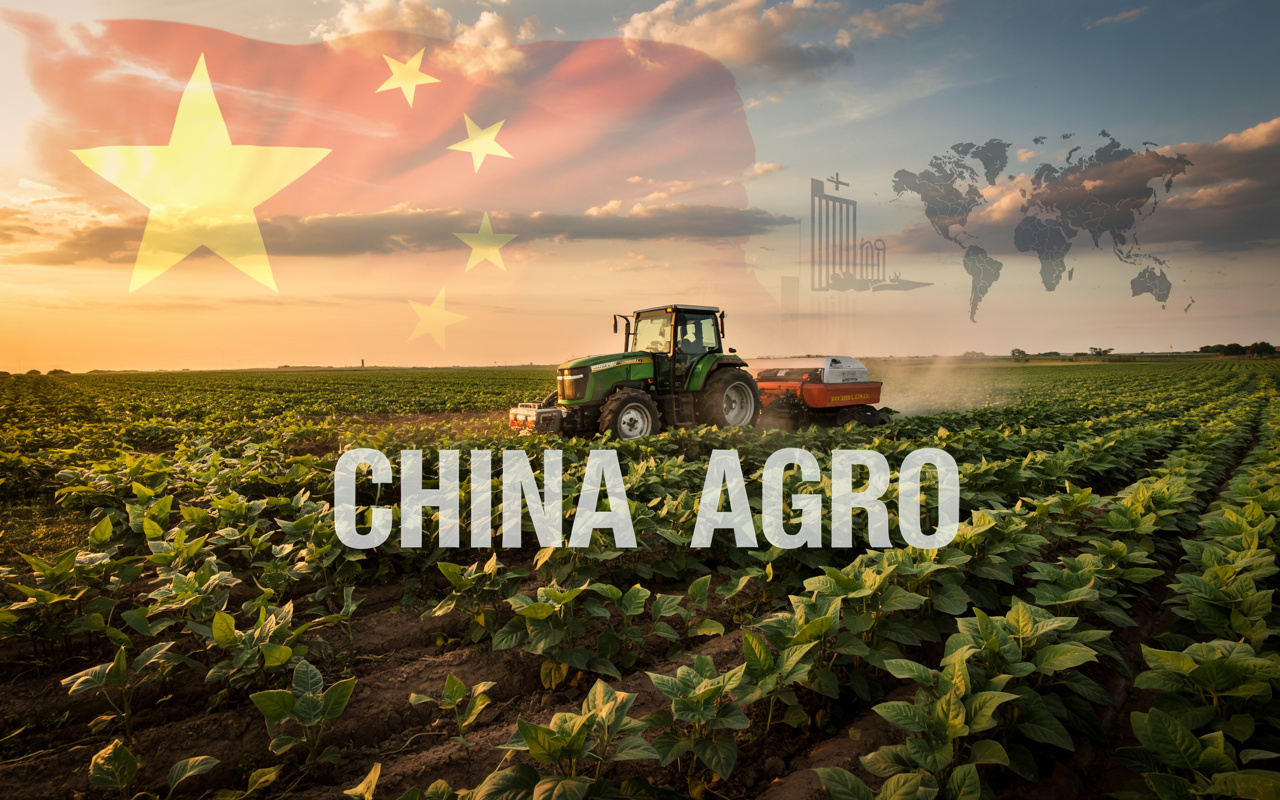


China Authorizes State-Owned Hulunbuir to Buy and Lease Land in Brazil in 2025 to Plant Soybeans, Corn, and Cotton, Expanding Agricultural Agreements and Rekindling the Sovereignty Debate.
The Chinese expansion in the Brazilian agribusiness has gained a new chapter with the decision of the state-owned Hulunbuir State Farm Group to invest directly in agricultural production in the country. The company, a reference in irrigation and management in Inner Mongolia, has been authorized to buy and lease land in Brazil for the cultivation of soybeans, corn, and cotton — grains that account for over 60% of Chinese imports. The move, formalized after a meeting with the National Agriculture Society (SNA) in March 2025, strengthens trade ties between Brazil and China but rekindles the debate about sovereignty in the field.
Chinese State-Owned Agriculture and the Quest for Food Security
The decision by the Chinese state-owned agriculture is part of the growing demand from the Asian country for food. In 2024 alone, Brazil exported US$ 49.7 billion in agricultural products to China, accounting for over 30% of the entire national agribusiness agenda. While this partnership strengthens Brazil’s trade balance, it also increases dependence on a single strategic partner.
For China, ensuring grain supply is a matter of food security. The direct investment in Brazilian land emerges as a response to this need, reducing logistical risks and increasing control over the supply chain.
-
Brazil to Issue “Panda Bonds” in China, Aiming to Raise Up to 5 Billion Yuan at Lower Interest Rates Than Dollar Debt
-
NATO Faces Internal Tensions as U.S. Pushes for Increased Defense Spending, Targeting 5% of GDP by 2035, with Warnings for Countries Near 2% Level

-
Brazil to Introduce B16 Diesel with Increased Soybean Oil Content for Trucks by 2026
-
Brazil’s July Bolsa Família Payments May Include Extra $150 and $50 for Families with Children, Pregnant Women, and Updated CadÚnico Registration


Hulunbuir State Farm Group and the Bet on Brazilian Lands
The Hulunbuir State Farm Group intends to apply agricultural technologies already tested under extreme conditions in Inner Mongolia to Brazil. Among them are advanced irrigation systems, climate-resistant seeds, and management models that maximize productivity.
The SNA also highlighted that Brazil has about 30 million hectares of degraded pastures that can be converted into agricultural areas without the need for deforestation.
This data was crucial in attracting the interest of the state-owned company, which seeks to expand its production sustainably and in accordance with environmental standards.
Brazil-China Agricultural Agreements: Technology and Innovation in Agribusiness
The agreement paves the way for new fronts of cooperation. The Chinese state-owned company expressed interest in partnering with Embrapa for knowledge transfer and providing seeds adapted to the Brazilian climate. It also signaled a willingness to collaborate with national startups linked to the SNASH, SNA’s innovation hub, which gathers over 150 companies.
In addition to grain production, there are plans for technological exchange in the livestock sector, further expanding the reach of agricultural cooperation. This integration could modernize Brazilian agriculture while strengthening bilateral trade ties.
Buying Land by Foreigners and the Sovereignty Debate
Despite the opportunities, the purchase of land by foreigners remains a sensitive topic. The Federal Constitution and Law No. 5,709/1971 establish limits for the acquisition of areas by international companies.
However, experts warn that alternative legal mechanisms — such as the shareholding control of formally Brazilian companies — have been used to circumvent these restrictions.
This movement generates concern in strategic regions like Matopiba (Maranhão, Tocantins, Piauí, and Bahia), a frequent target of foreign interest. Legal experts advocate for greater transparency in contracts and strengthening land governance to protect local producers and avoid imbalances in the domestic market.
Chinese Companies in Brazil
The presence of Chinese companies in Brazil in the agricultural sector is not new, but the authorization for a state-owned company to operate directly in the field represents a significant leap.
On one hand, there are clear benefits in terms of investments, technological transfer, and job creation. On the other hand, there is a risk of losing productive autonomy and increasing the country’s vulnerability to external demands.
As highlighted by the Farmnews portal, “sovereignty cannot be outsourced.” This warning summarizes the concern of part of the agricultural sector, which sees the direct entry of China as a threat to Brazil’s strategic independence in the long run.
What’s at Stake
The advance of the Hulunbuir State Farm Group in Brazil symbolizes more than just a simple agricultural business. It represents a geopolitical move that connects Chinese demand for food to Brazil’s production capacity, repositioning the national agribusiness in a network of mutual dependence.
While Brazil may gain in productivity, innovation, and opening new markets, it also risks compromising its sovereignty over land and strategic resources. The decision to balance these factors will be crucial for the future of agribusiness and the country’s foreign policy.
And you, do you believe that Brazil-China agricultural agreements can strengthen Brazilian agribusiness or represent a threat to national independence in the face of increasing foreign land purchases?







O Brasil não tem que vender terras para a China,ser parceiros comerciais é uma coisa, agora vender terras é algo q não deve ser negociado ,se somos soberanos então que tenhamos autonomia pra mandar no chão onde pisamos.
A China sendo e o cachaceiro sendo soberano
Como ocorreu com o calçado brasileiro, que a China aprendeu, levou os melhores profissionais para ensinar e depois dominou o produto e quebrou muitas empresas brasileiros, será com agricultura, só que agora estamos dando também a nossa terra. Os chineses são exatamente pragmáticos e frios. Eles não são bobos alegres como os brasileiros. O brasileiro merece perder o Brasil, pois não tem amor a pátria e as bençãos destas terras. Que não sabe o valor do que tem, joga fora.