Portuguese
  Spanish


Small towns in Italy continue using nearly abandoned properties as a strategy to revitalize historic centers, attract new residents, and boost local economies, showing that the symbolic value of the purchase is just the beginning of the story.
A house for 1 euro is back on the radar.
In 2026, the case of Brazilian Rubia Daniels resurfaced as one of the most symbolic examples of 1 euro houses in Italy. The reason is not just the purchase made years ago, but the fact that her story was revisited by Idealista, a European real estate portal, amid the ongoing interest in Italian villages that still use old properties to attract foreigners, renovations, and new residents.
Rubia, a Brazilian living in California, chose Mussomeli, in Sicily, after the small town became globally known for the program of houses sold for a symbolic value. She bought old properties, faced heavy construction work, and removed 50 small trucks of debris from one of the properties.
-
Havan Competitor Expands in Brazil with 170 Stores, Offering Everything from Stationery to Asian Food and Focusing on Affordable Products to Attract Shoppers

-
Norway’s $2 Trillion Dilemma: How Oil Revenue Created a Massive Savings Fund with Too Much Money to Spend

-
Microsoft Lays Off 4,800 Employees, Cuts 20% of Xbox Staff Amid AI Pressure on Major Tech Firm

-
Brazil’s ANP Opens 86 New Oil Blocks in the Equatorial Margin, Expanding the Amazon River Mouth Frontier




The 2026 update helps explain why the topic remains relevant. It’s not just about retelling a purchase initiated in 2019, but about showing how Rubia’s story became a showcase of a phenomenon that still appears in recent real estate guides and remains connected to the effort of small Italian towns to repopulate historic centers.
The Brazilian who saw a future where there was ruin
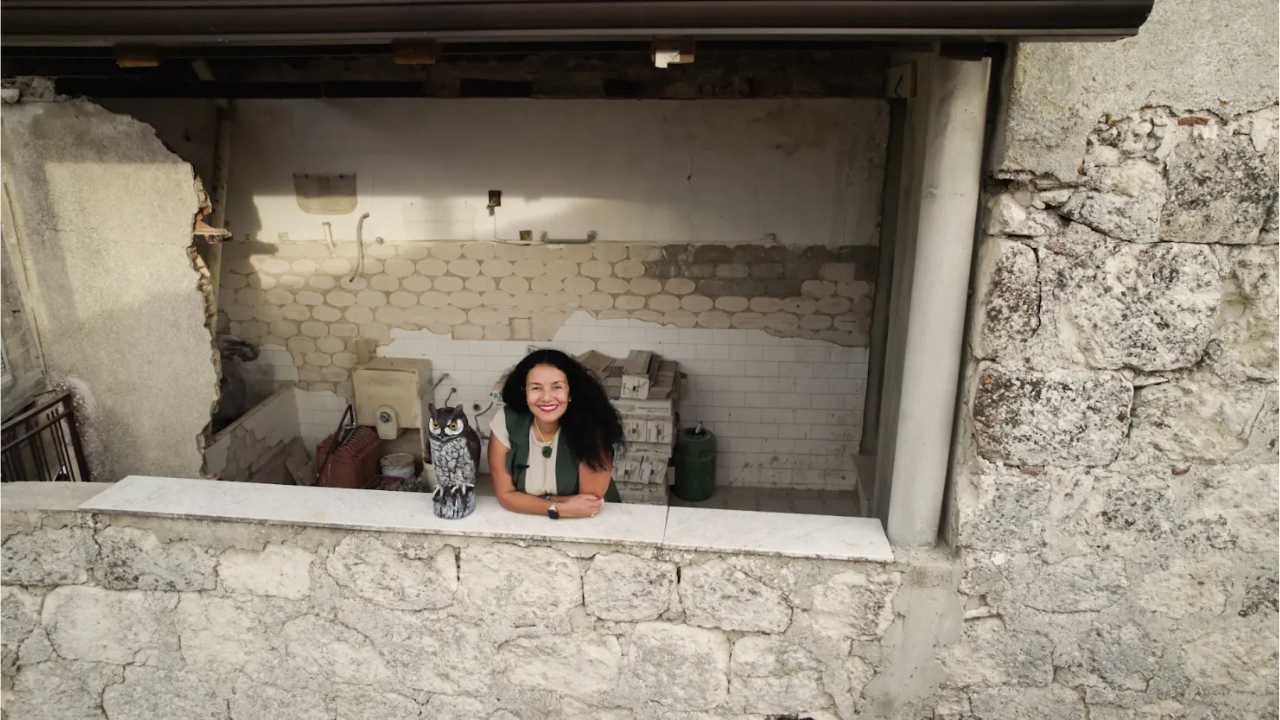
Rubia Daniels arrived in Mussomeli, Sicily, after the small town began gaining international fame with the 1 euro house program. According to ABC News Australia, the Australian public broadcaster, she visited the location in 2019 and bought a house for the symbolic price.
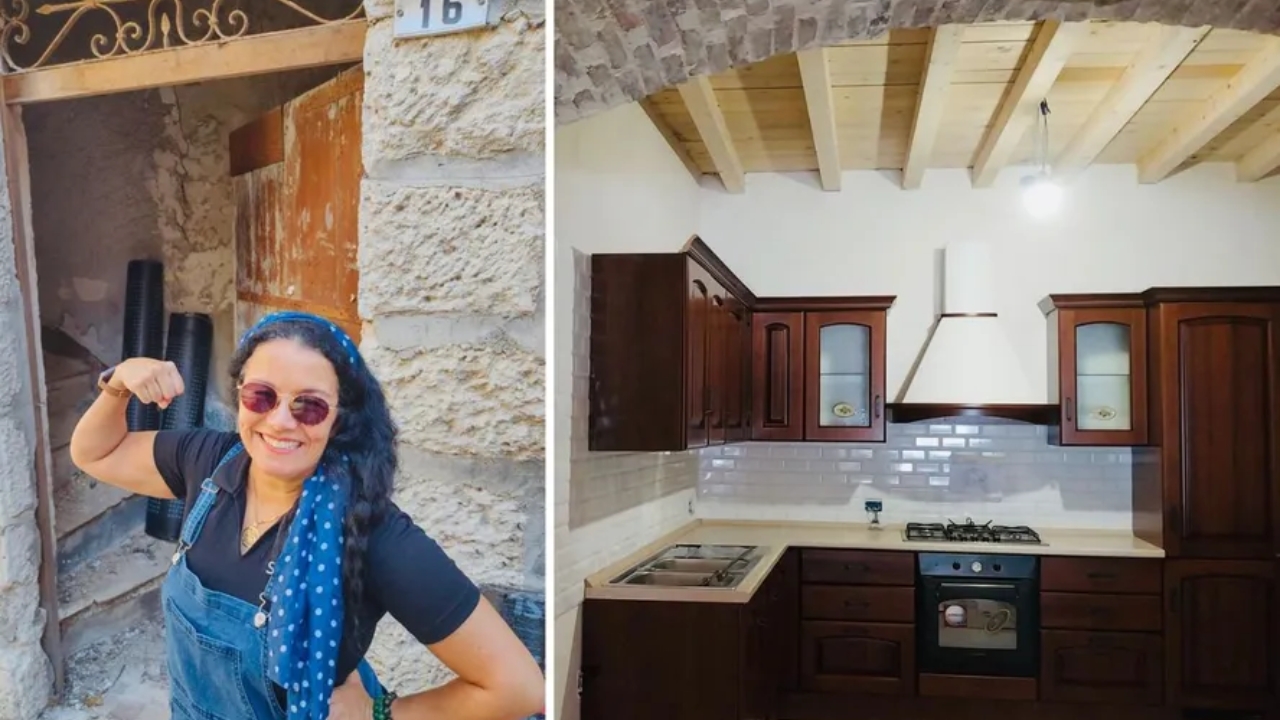
The experience didn’t stop there. She later acquired other properties linked to the same movement, including houses intended for her children. In 2026, Idealista, a European portal specializing in the real estate market, revisited the case and presented Rubia as one of the buyers who turned 1 euro houses into a life project.
The detail that makes the story strong is the extent of the transformation. One of the houses was in such a critical state that part of the roof had collapsed into the kitchen. During the renovation, Rubia brought tools from the United States, hired local workers, and removed 50 small trucks of debris.
The price was symbolic, but the change was real
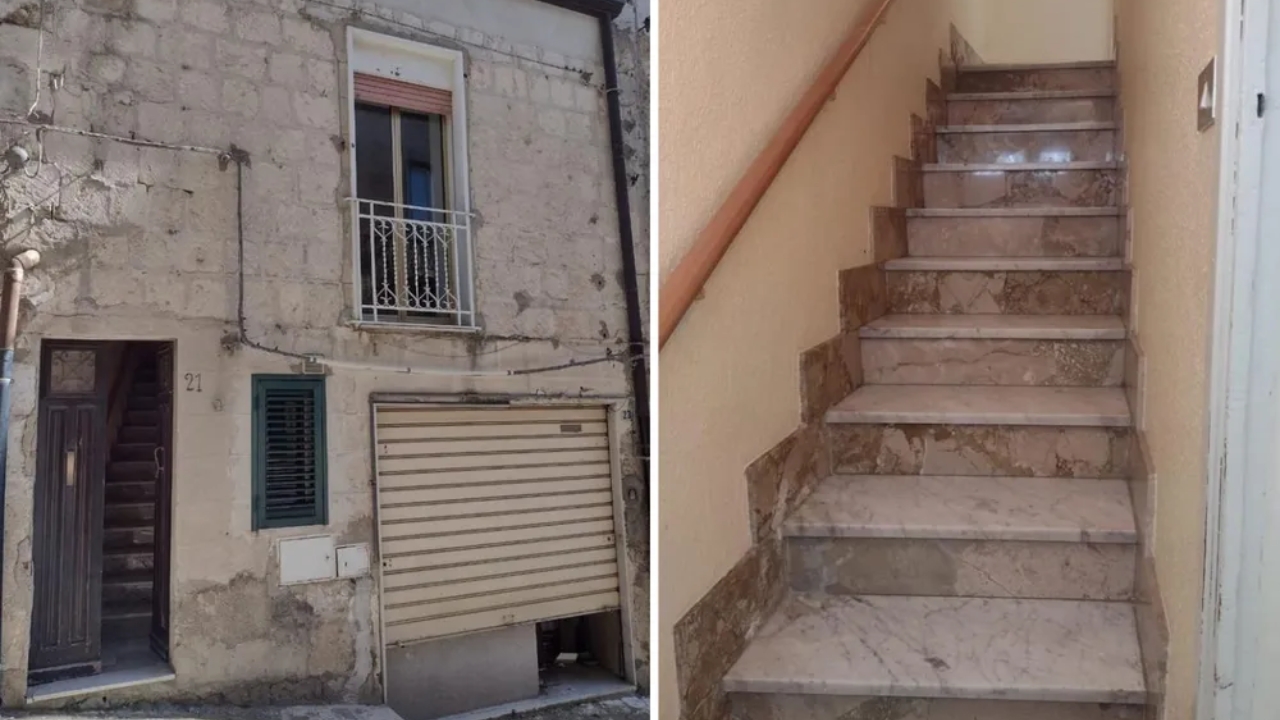
The house cost 1 euro, but the project required money, patience, and work. In Mussomeli, buyers need to renovate the property within three years and deposit a guarantee of 5,000 euros, which can be lost if the deadline is not met.
This point helps to separate dream from reality. The program does not deliver ready-made houses. It offers a chance to recover old properties, many of them abandoned for years, within cities that have lost residents and are trying to give new purpose to their historical centers.
In the case shown by ABC, a three-story house had a hole in the roof, water damage, accumulated debris, and a practically unusable kitchen. The renovation estimate was about 50,000 dollars, but costs could range from 17,000 to more than 300,000 dollars, depending on the state of the building.
Mussomeli became a showcase for foreigners
Rubia’s story gained traction because it happened in a city that became a symbol of this movement. Mussomeli launched the program in 2017, amid the challenge of facing population loss and the emptying of old properties.
The city once had about 15,000 inhabitants and dropped to approximately 10,000, according to ABC. To try to change this scenario, it started using empty houses as a lure for foreigners willing to renovate, live, invest, or create ties with the region.
The strategy did not only attract curious buyers. It also boosted masons, material stores, small businesses, and local services. City authorities told ABC that the program would have added 20 million dollars to the local economy and multiplied tourist visits tenfold.
Rubia’s story is not an isolated case
Although Rubia is the strongest face for the Brazilian public, other stories help to show why the program continues to attract attention. The Australian Danny McCubbin also bought a 1-euro house in Sicily, faced problems in the first project, and ended up staying in Mussomeli.
Instead of just renovating a property, he opened a community kitchen that distributes up to 500 meals a month with local volunteers. The cheap house, in this case, became a gateway to a greater relationship with the city.
The Guardian, a British newspaper, showed that the phenomenon goes beyond a real estate promotion. For some Italian villages, selling houses for 1 euro has become an attempt to attract people, money, and works to regions affected by depopulation. For buyers, it has become a mix of European dream, heavy renovation, and new beginnings.