






 Portuguese
  Spanish


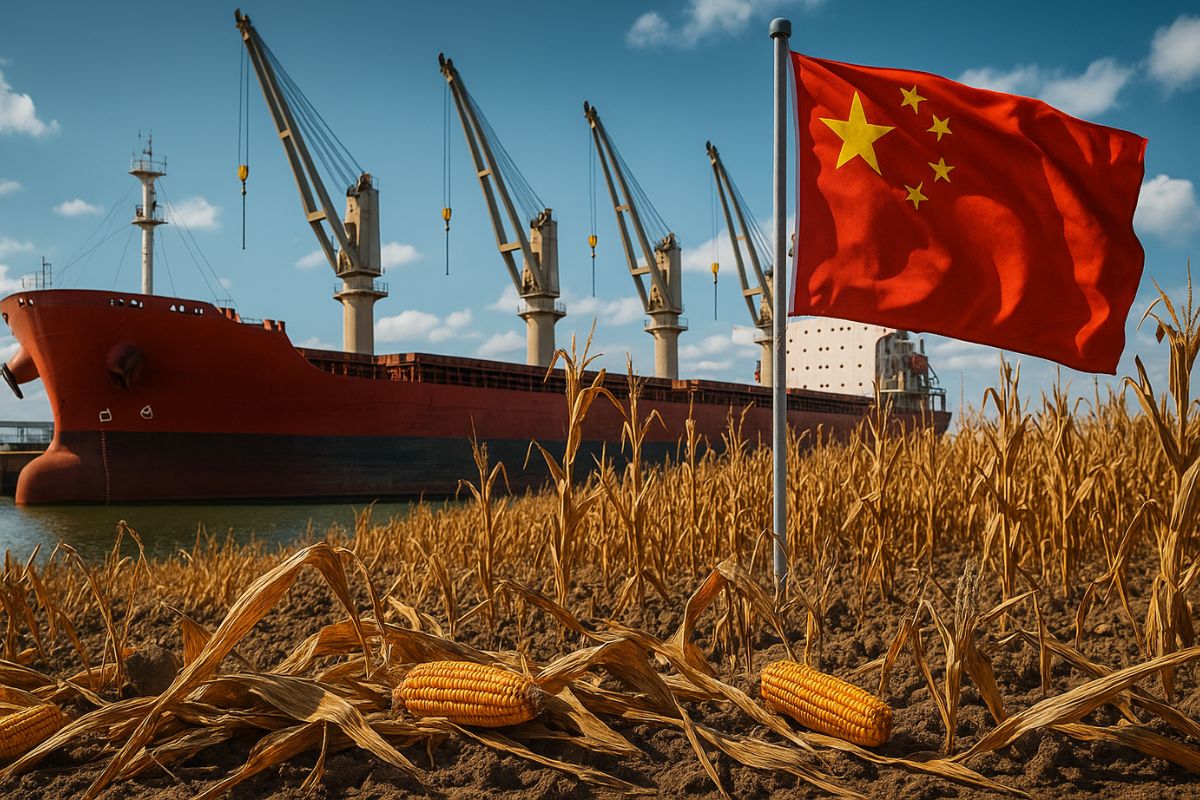


China Buys 95% Less Corn from Brazil in July and Also Reduces Wheat Imports. GACC Data Shows Sharp Decline in Chinese Demand for Corn and Wheat, While Soybeans Continue to Rise in the Market
The China Buys 95% Less Corn from Brazil in July 2025, according to data released by the country’s Customs Department (GACC). Only 60,000 tons were imported in the month, compared to over 1.1 million in the same period last year. In value terms, this amounted to US$ 14 million, a significant decline reflecting changes in consumption patterns and supply strategies in the Asian country.
From January to July, the China Buys 95% Less Corn from Brazil compared to 2024, with total imports of 840,000 tons — a decrease of 93% compared to the previous year. The move happens in parallel with an increase in soybean purchases, which remain a priority in the Chinese agricultural agenda.
Who Is Most Affected by the Decline in China’s Corn Purchases?
The drastic reduction mainly impacts Brazilian producers and exporters, who have benefited from Chinese demand since the market opened in 2022. The China Buys 95% Less Corn from Brazil precisely at a time of record harvest in the country, increasing pressure on domestic prices and raising the need to seek new buyers abroad.
-
California’s Almond Industry Consumes Over 4 Trillion Liters of Water Annually Amid Drought, Relies on Trucked-In Bees for Pollination

-
India’s Sugar Export Cuts and Ethanol Shift Amid El Niño Threat Could Impact Global Prices and Stocks

-
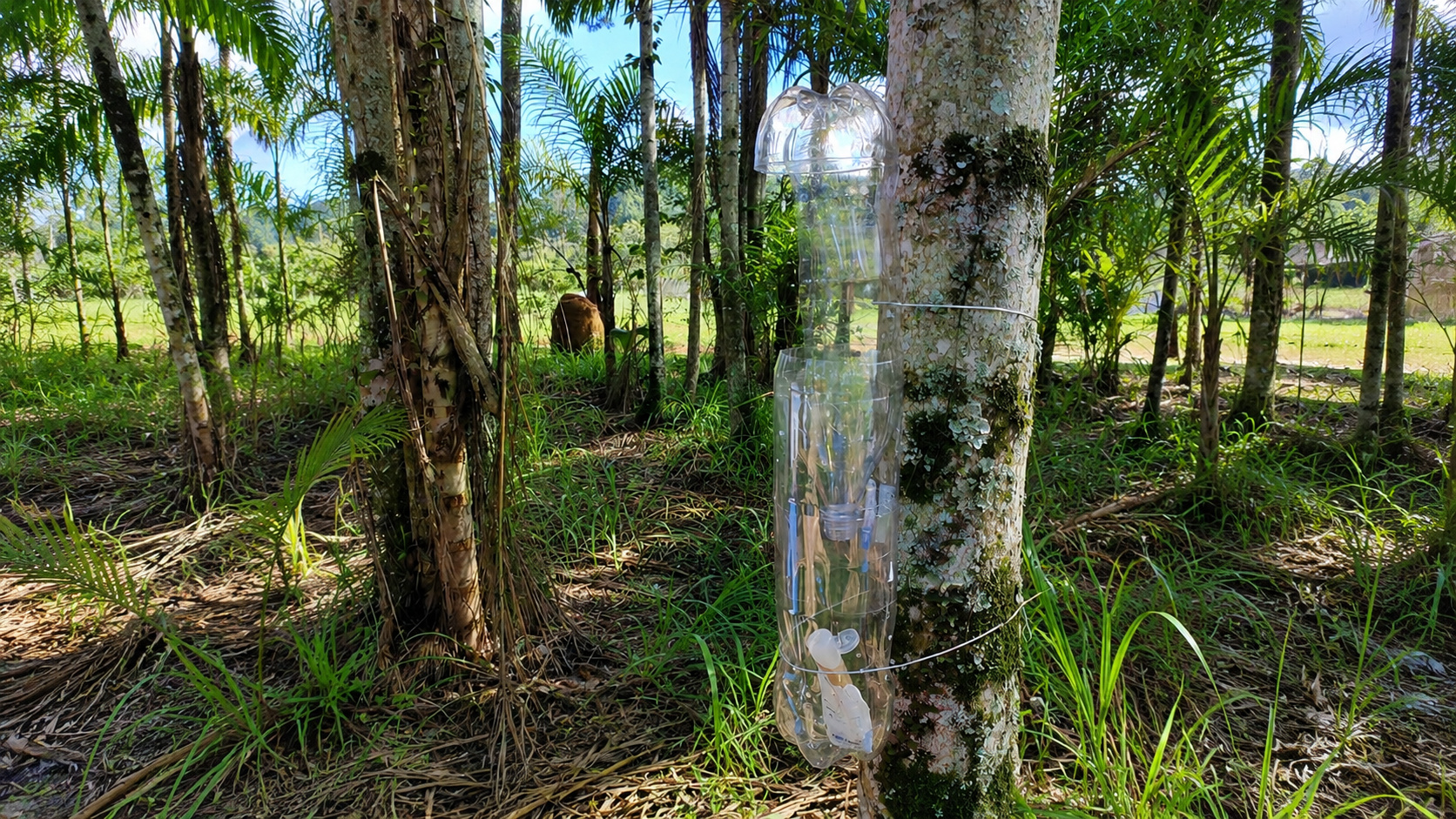
Quarantine Pest Threatening Palm Trees Puts Brazilian Authorities on Alert, Prompts Monitoring at University of Taubaté and Potential Control Measures Across São Paulo
-
Global Alert: Report Finds 159 Pesticides in Coffee Beans Sold in Europe, Posing Serious Risks to Millions of Farm Workers



With the loss of this strategic market, experts evaluate that part of the production may be redirected for domestic consumption or to countries in Asia and the Middle East, but the impacts on futures contracts are already concerning the agricultural sector.
How Much Has Wheat Also Lost Space in the Chinese Agenda?
In addition to corn, wheat also registered a significant decline. In July, China imported 410,000 tons, 48% less than in the same month of 2024. For the year to date, the volume reached 2.37 million tons, representing a decrease of 76.4%.
This reduction shows that the Chinese strategy is not limited to corn but has also affected other agricultural commodities, reinforcing the idea of diversifying suppliers and making greater use of domestic stocks.
Where Did China Maintain or Increase Purchases?
Despite the decline in corn and wheat, the China Buys 95% Less Corn from Brazil while increasing soybean purchases. In July, 11.67 million tons were imported, an increase of 18.4% compared to 2024. For the year to date in 2025, purchases reached 61 million tons, up 4.6%.
There was also growth in specific products, such as sugar (+76.4% in July) and dairy products (+5.2%), while other items, such as cotton, palm oil, and fertilizers, experienced a sharp decline. This highlights a selective import policy, in which China prioritizes certain supply chains.
Why Does China Buy 95% Less Corn from Brazil?
Among the factors pointed out by analysts are the increased domestic production in China, the use of regulatory stocks, and the search for alternative suppliers such as the United States and Ukraine. The decision may also be related to diplomatic and commercial issues, as the relationship between Brazil and China in the agricultural sector involves ongoing negotiations about tariffs and product quality.
Moreover, Chinese domestic consumption has adjusted to the economic slowdown, which reduces the need for imports of certain grains. This scenario helps explain why the China Buys 95% Less Corn from Brazil even in a year of high supply in the international market.
Is It Worth Worrying About This Movement?
The answer tends to be yes. Brazil has consolidated China as the main destination for agricultural exports, and the decline in corn purchases may mean greater price volatility and less predictability for producers. The sector must now seek alternatives, expanding agreements with other countries and strengthening domestic consumption.
At the same time, the continued Chinese demand for soybeans ensures some balance, but does not fully compensate for the decline in corn and wheat purchases. For experts, this episode reinforces the importance of market diversification and the development of long-term agricultural policies.
The news that the China Buys 95% Less Corn from Brazil in July reinforces the weight of external dependence in the national agribusiness. The drastic reduction in imports affects producers, exporters, and the balance of the domestic market, showing how changes in Chinese strategies directly impact the Brazilian economy.
And you, do you believe Brazil should depend less on China in the agricultural sector, or do you consider this just a temporary movement? Share your opinion in the comments — your experience is essential for this debate.






Problema meus caros é esta política , e impostos exorbitantes, para sustentar a mordomia de ****, que exploram empresários de bem e trabalhadores, somos o país que produz mais alimento no mundo e parte da população passam fome,estamos atrasados em vários aspectos económicos , como renda , o país sendo desindustralizando, e com isto o que poderia ser um mercado interno forte , banca o privilégio de poucos.
O Brasil deve depender menos de todos, somente com diversificação e ampliação de mercados o Brasil se verá menos vulnerável a volatilidade geopolítica da atualidade.
É preciso olhar mais para o mercado interno, já que existe toda uma demanda que acaba elevando os preços para quem precisa comprar ração ****, e investir mais em armazenamento de grãos e melhorar cada vez mais nossa infraestrutura para o escoamento da produção agrícola.