Portuguese
  Spanish


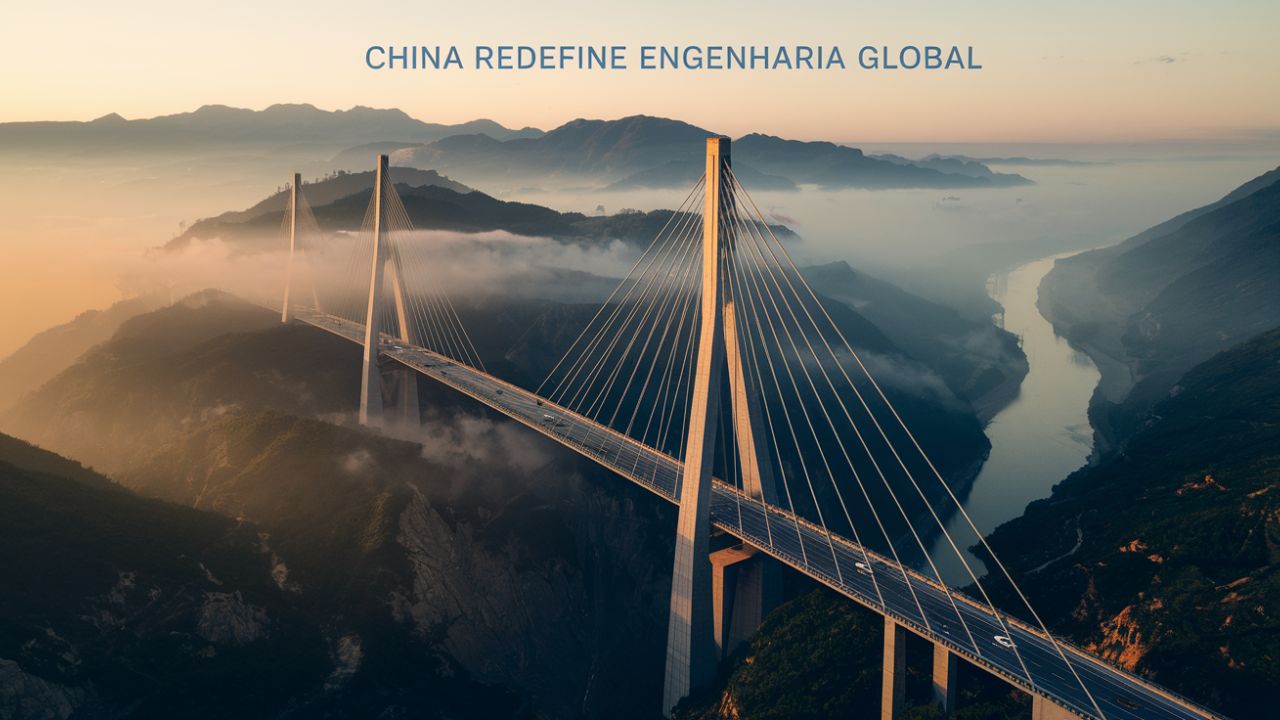


At 625 Meters Tall, Twice the Height of the Eiffel Tower, and 2,890 Meters Long, China Has Completed the Main Structure of the Huajiang Grand Canyon Bridge, Which Will Soon Be the Tallest in the World, Reinforcing Its Global Leadership in Megaprojects.
When we think of grandeur and innovation, China is always at the forefront. And now, it surpasses itself again with the completion of the main structure of the Huajiang Grand Canyon Bridge in Guizhou province. This engineering masterpiece is not only the tallest in the world but also a perfect example of how to turn challenges into opportunities.
The Impressive Dimensions of the Huajiang Bridge
A bridge so tall that it makes the Eiffel Tower look like a miniature! The Huajiang Bridge has an impressive vertical height of 625 meters, from the deck to the surface of the Beipan River. Its 2,890 meters of length and a span of 1,420 meters make it the largest suspension bridge in mountainous areas on the planet.
Building in mountainous terrain is never easy, but China faced this obstacle head-on. Guizhou province, where 92.5% of the territory is covered by mountains, was previously isolated. This bridge is another step towards integrating remote regions with the rest of the country.
-
Giant 3,600-ton Crane Breaks Two World Records by Installing World’s Largest Single-Piece Forged and Welded Hydrogenation Reactor, Weighing 3,037 Tons, in Chinese Petrochemical Plant in Just Six Days

-
$80 Million Bridge in Brazil Cuts Travel Time from 30 Minutes to 1 Minute, but Audit Reveals Major Flaws
-
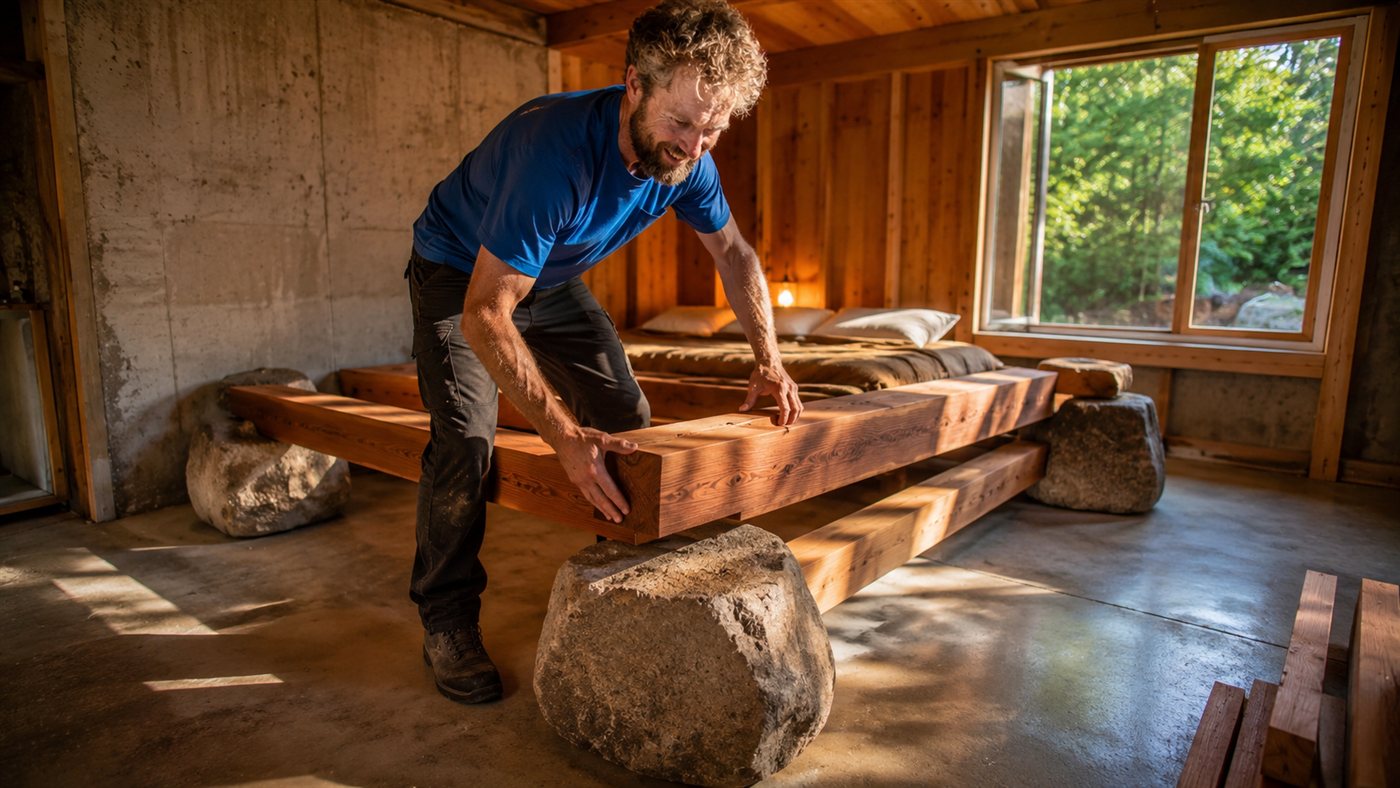
Man Builds Stone Bed with Granite Rocks and Hand-Sawn Cedar Beams, Home Extension Garners Over 437,000 Views on Bonus Bolts Channel

-
Brazilian Researcher Develops Color-Changing Roof Tile to Reduce Air Conditioning Use by Up to 15%



Technological Innovation in Construction

How do you move a 215-ton steel beam into place hundreds of meters high? The answer lies in the world’s largest cable lifting system, a combination of transport, elevation, and smart monitoring. It’s like a mechanical ballet of precision that leaves anyone impressed.
Every detail was planned to ensure that the bridge could withstand climate and geographical challenges. Now, with the main structure completed, final steps like painting and the installation of smaller equipment are in full swing.
Economic and Social Impacts
Although the main structure has been completed, construction is still undergoing crucial final steps, such as wrapping the main cables, painting, and installing safety systems. Full completion is expected this year, when the bridge will be opened to traffic.
Previously isolated, Guizhou province in China is now connected to the rest of the country by an expressway network that exceeds 9,000 km. Over 30,000 bridges have been built since the 1970s, paving the way for economic and social progress.
The Huajiang Grand Canyon Bridge is not just a means of transport. It symbolizes the transformation of an entire region. Guizhou, once a forgotten area, now shines as an example of how infrastructure can change lives.
China and Its Leadership in Engineering
The construction of the Huajiang Bridge is a testament to China’s commitment to technological advancement and sustainable development. It is a symbol of how innovation can overcome any challenge, solidifying the country as a global leader in infrastructure engineering.