Portuguese
  Spanish


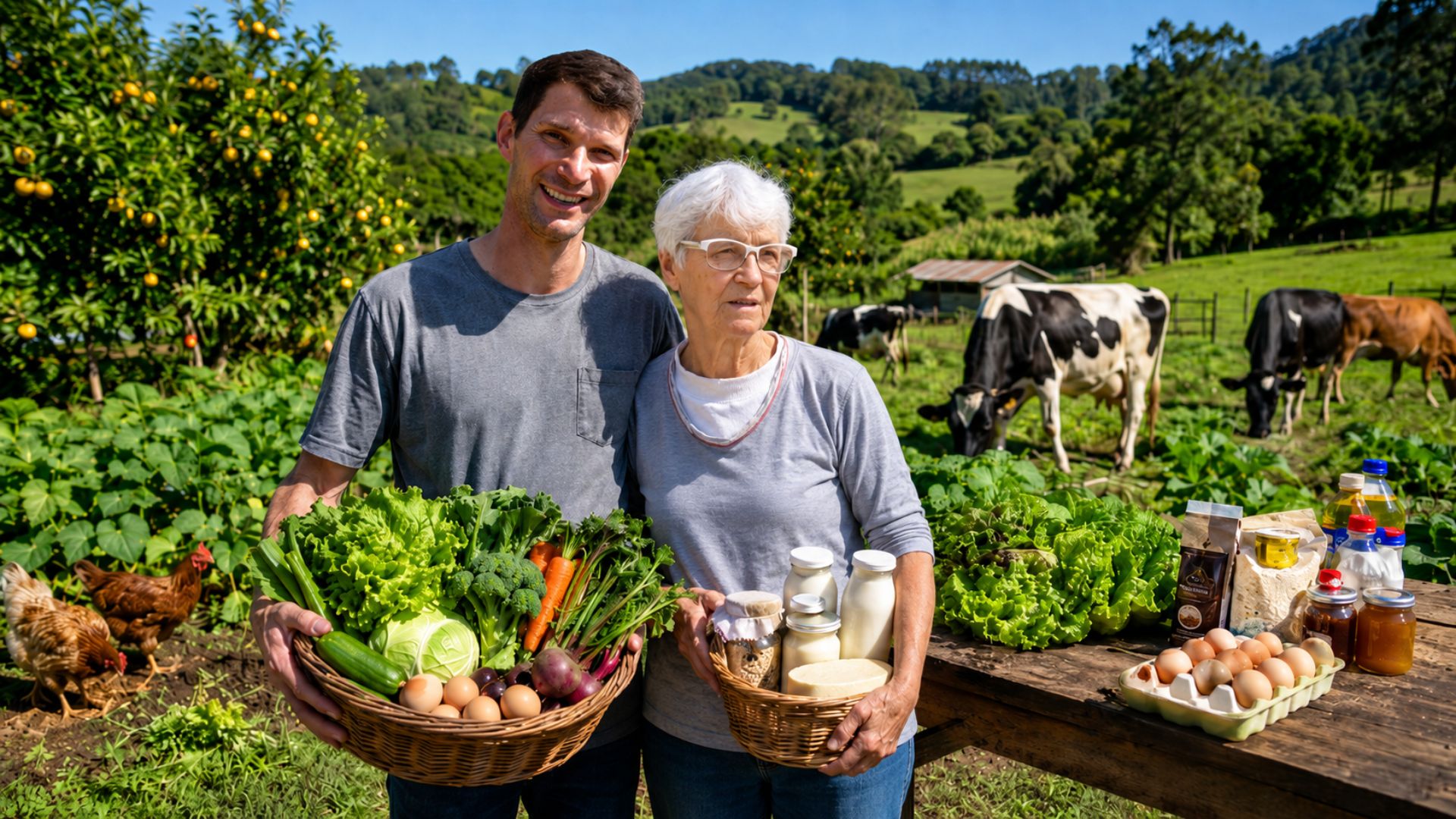

On the Mazarolo family property in Casca, Ângelo and Aunt Inês extract milk, rice, wine, cheese, flour, meat, yerba mate, and even solar energy from the land. There are about 80 head of cattle and up to a thousand liters of milk per day. According to Emater, farms like this are already rare.
While almost everyone depends on the supermarket, Ângelo, 36, and Aunt Inês, 75, go to the market only to buy salt, coffee, and some cleaning products, and everything else comes from their own land in Casca, Rio Grande do Sul. According to the family report released in June by Vale Agrícola, from breakfast to dinner, almost everything on the table is grown there, in a routine many people imagine belongs only to the past.
On the Mazarolo family property, in the interior of Casca, the two produce milk, rice, yerba mate, fruits, wine, cheese, flour, meat, eggs, and even electricity. According to Ângelo, the logic is simple, because diversifying serves to ensure income, food, and security, so that when one activity faces difficulty, another helps maintain balance. There are about 80 head of cattle, crops, ponds, and preserved areas, in a model that, according to Emater, has already become an exception.
The logic of diversification on Ângelo’s property
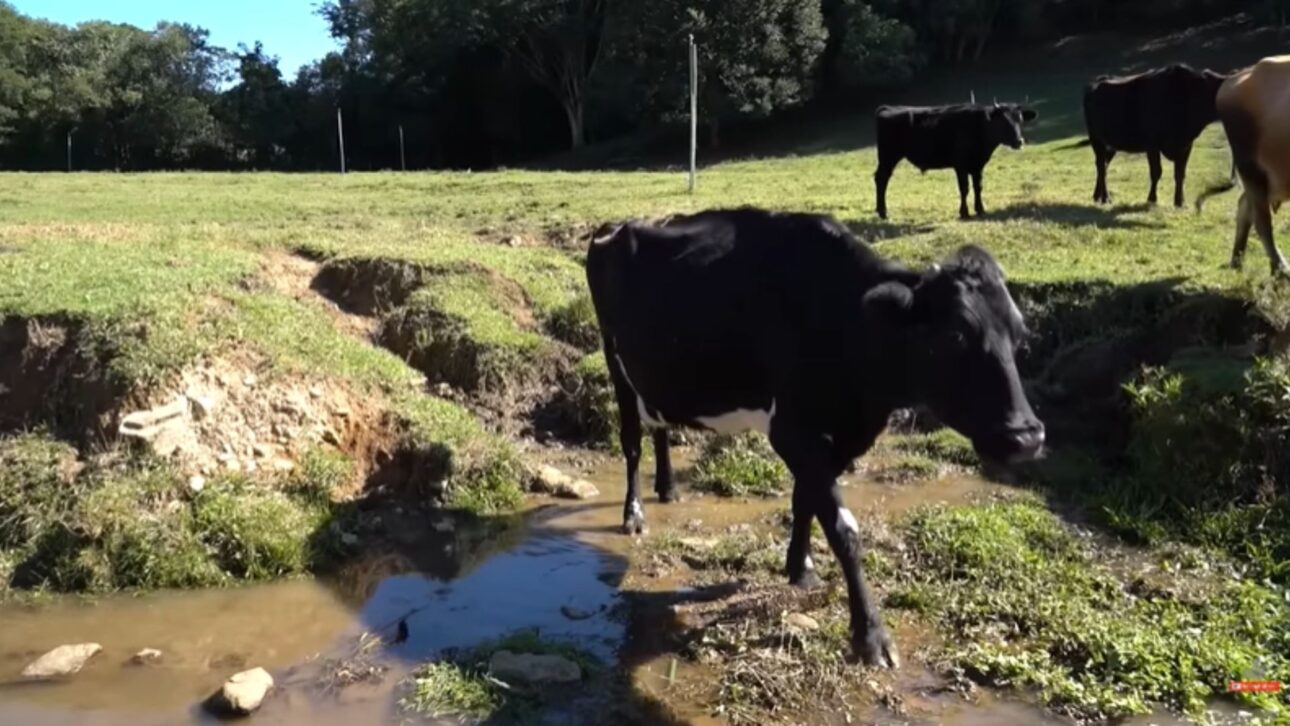
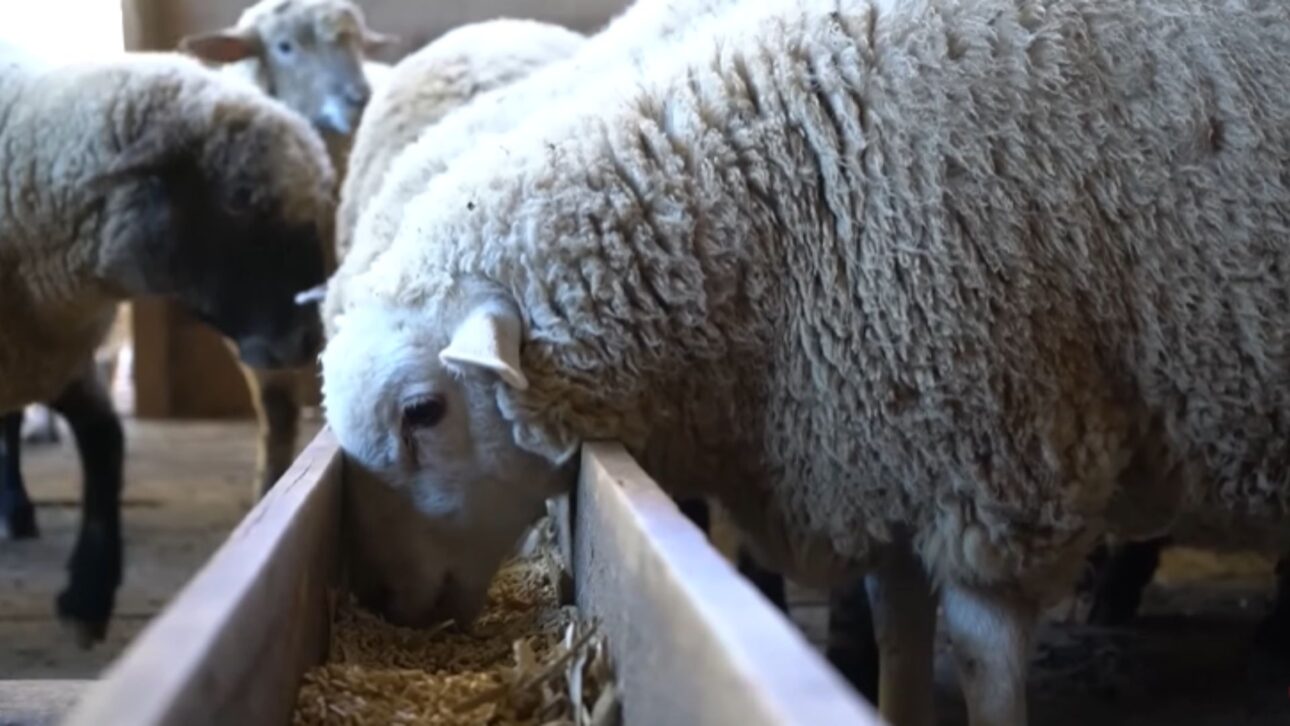
The variety of creations and cultures impresses those who arrive. The property has about 45 female sheep, one breeder, and about eight lambs for slaughter, in addition to approximately 80 head of cattle, crops, and ponds. According to him, the central idea is to diversify to ensure income, food, and security, as when one activity goes poorly, another balances the accounts.
-
Researchers Turn Discarded Mango Pits into Hydrogel That Absorbs 400% of Its Weight in Water, Offering Agricultural Solution for Droughts and Waste Reuse

-
Flower strips in Brazilian farms become pest control strategy, attracting predator insects and reducing the need for chemical pesticides.

-
Yara acquires Texas ammonia plant for $1.3 billion, boosting global fertilizer competition with 1.3 million tons annual capacity
-
At 35, Lawyer Leaves Corporate Career to Turn 1-Hectare Farm into Organic Supplier for Schools in Southern Brazil


Milk is one of the pillars, but with highs and lows. Production is around 800 to 1,000 liters per day, which totals about 30,000 liters per month, although the price fluctuates a lot. According to his account, during good periods he saves a small reserve to get through difficult times and gradually discards older or already fat animals, and this diversity acts as a barrier against market fluctuations because if soy is down, there’s milk, corn, sheep, and meat.
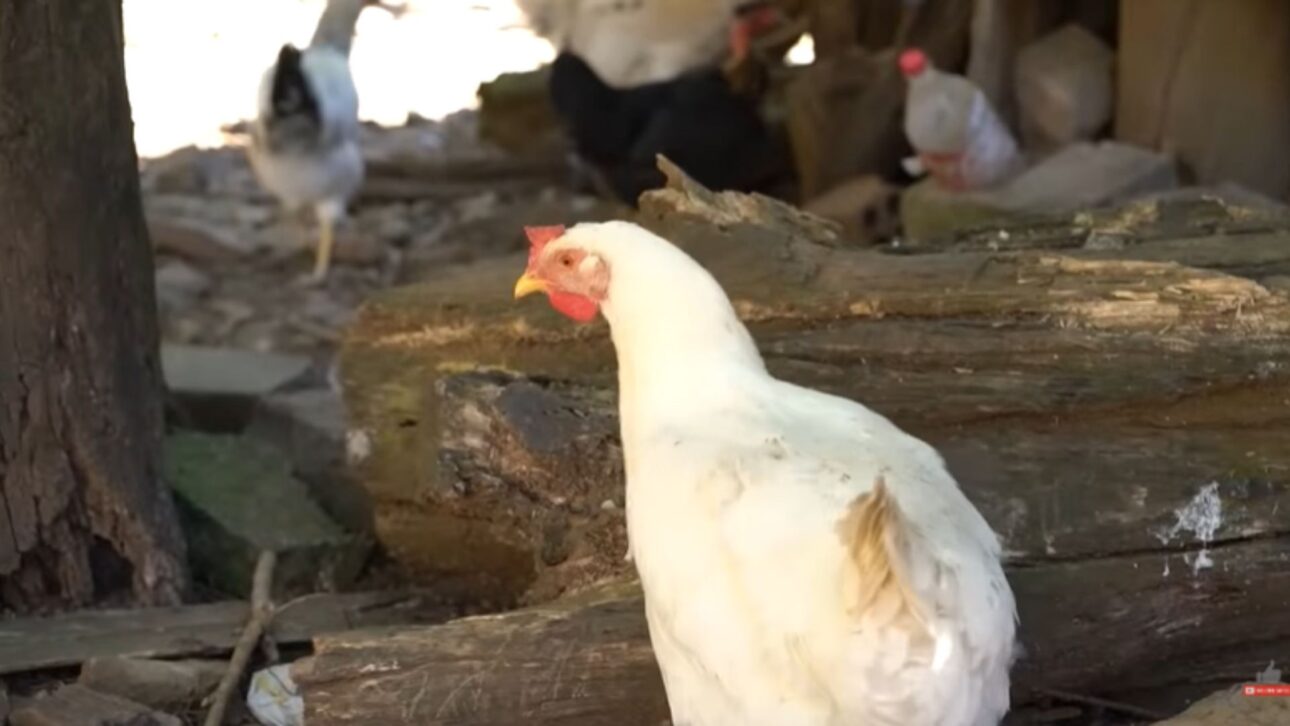
Pasture-Based Cattle Farming, Irrigation, and Closed Cycle
More than variety, what sustains everything is organization. According to Emater, more than diversity, it is the organization of work that sustains the property, and Ângelo works with pasture-based dairy cattle farming. According to the agency, he invested in irrigation, which ensures pasture and also a production of conserved forage, creating a closed cycle of feeding, where the animals’ waste remains in the field and re-fertilizes the pastures.
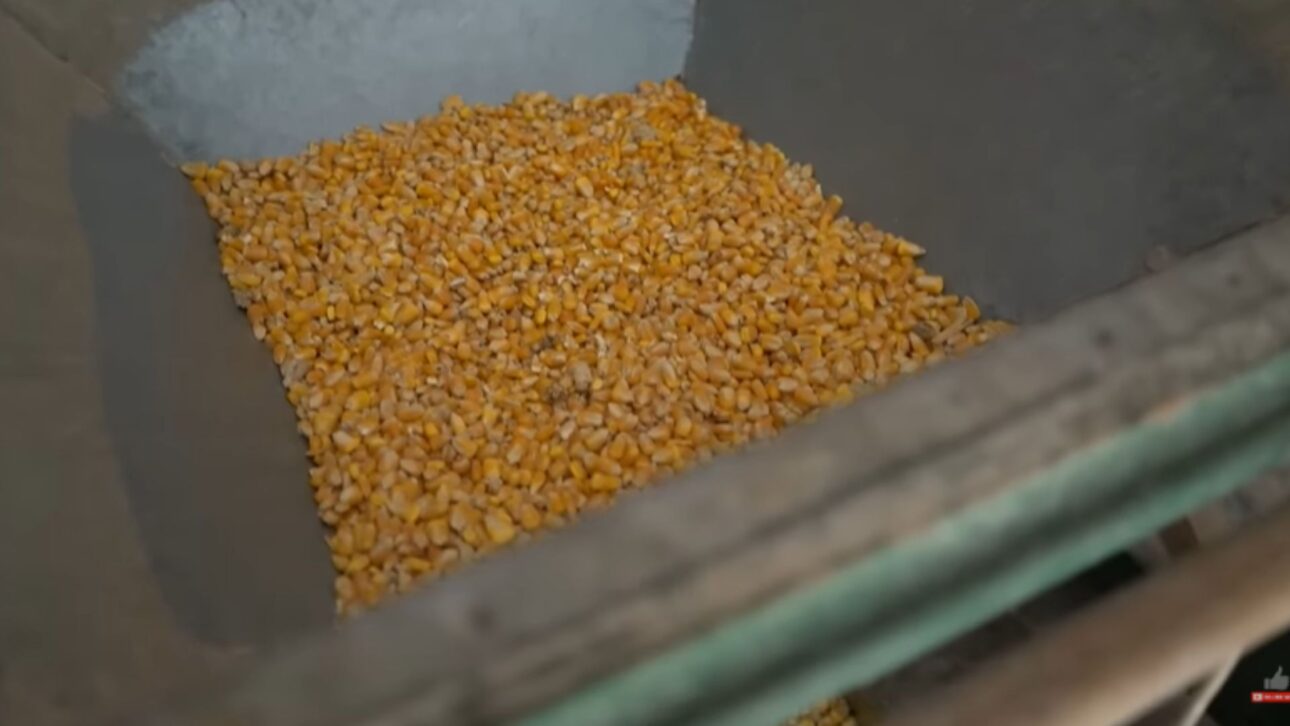
The feeding management follows its own calendar. In summer, the silage is corn, and in winter, depending on the climate, he produces some wheat silage, with the animals fed twice a day, silage and feed, in addition to salt and water available at various points on the property, still served by a river that runs through it. According to him, hybrid corn for grain yields an average of 200 to 250 sacks per hectare, part of which is also destined for silage.
Solar energy and cost reduction on Ângelo’s property
Technology arrived as an ally of the bills. Technology entered the property to reduce costs and provide energy autonomy, as he used to spend from R$ 1,000 to R$ 1,500 per month just on energy, including milk cooling, feed production, and irrigation pumps. According to his account, that’s why he opted for solar panels.
Today the bill has changed its sign. Instead of paying, he started to have a return of around R$ 100 to R$ 500 per month with the sale of solar energy. According to the producer, this energy autonomy is part of the same self-sufficiency logic that defines the property, where reducing external dependence is as important as producing one’s own food.
Yerba mate, dryland rice, and family tradition
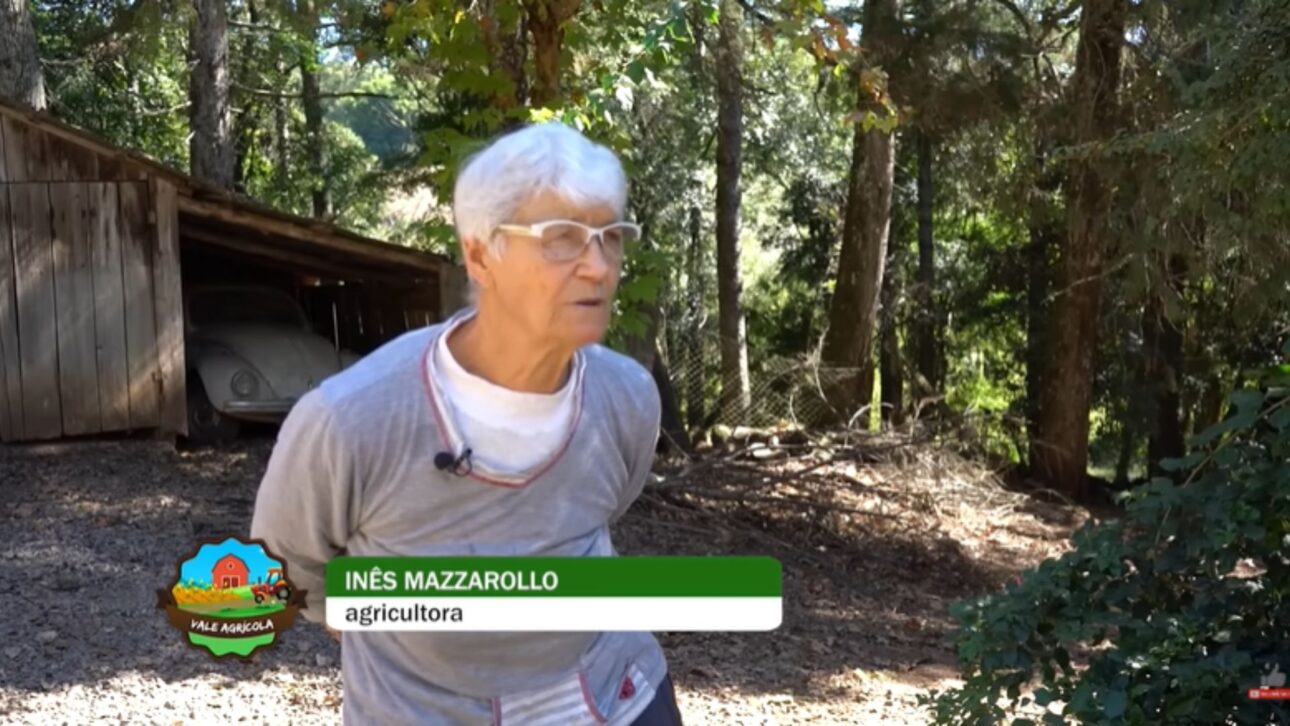
Yerba mate carries the history of three generations. According to Ângelo, he is the third generation of the family to produce yerba mate on the property, from the chimarrão plant so present among the gauchos. According to his account, he harvests the plant, passes it through fire, dries it for about four to five hours, and after it’s well dried, pounds the yerba for approximately one to one and a half hours until it’s ready for chimarrão. The family also produces brown sugar and their own flour, in a small mill built by him.
The rice is rare and mostly for the house. According to Ângelo, the rice is practically for personal consumption, with a little passed on to friends and acquaintances, as it is dryland rice, produced in dry conditions and not in water, made from seeds that the family saves and replants each year. According to the account, the family lost Ângelo’s father a few months ago, a pillar who, even at an advanced age and with health problems, took care of the vineyards and sought alternative solutions without giving up tradition.


In Casca, Rio Grande do Sul, Ângelo, 36, and his aunt Inês, 75, maintain the Mazarolo family property as an almost self-sufficient system, with milk, rice, yerba mate, wine, cheese, flour, meat, eggs, and even solar energy, going to the market only for salt, coffee, and cleaning products. The foundation is diversification combined with work organization, with a closed cycle of food and solar energy reducing costs. According to Emater, which gathers more than 700 properties in the region, farms like this are already rare, and the agency’s technician states that most Brazilians buy food at the supermarket instead of producing it, even though the numbers here come from Ângelo’s own account.
And you, could you live almost solely on what your own land produces, like Ângelo, or do you think this model is unfeasible nowadays? Share your opinion and exchange ideas with other readers about life in the countryside, with respect for different views.