Portuguese
  Spanish


A new scientific analysis has revealed that East Antarctica harbors much more intense underground activity than previously thought, with hundreds of deep tremors recorded beneath the ice and signs that could change how researchers understand the continent.
For decades, Antarctica carried the reputation of a silent, frozen, and almost immobile continent. Now, a discovery made with artificial intelligence has turned this image upside down by revealing hundreds of hidden earthquakes occurring in a region where almost no one expected to find such activity.
What’s most intriguing is that the tremors do not appear on a classic boundary between tectonic plates. They emerge in the middle of a plate, beneath tons of ice, at a depth that defies simple explanations and rekindles an unsettling question: what is really happening beneath Antarctica?
The ice seemed calm, but the signs were buried
The new study published in the journal Science shows that East Antarctica may be much more active than previously thought. The discovery did not arise from a new explosion of visible tremors on the surface, but from the reanalysis of old seismic data with modern machine learning tools.
-
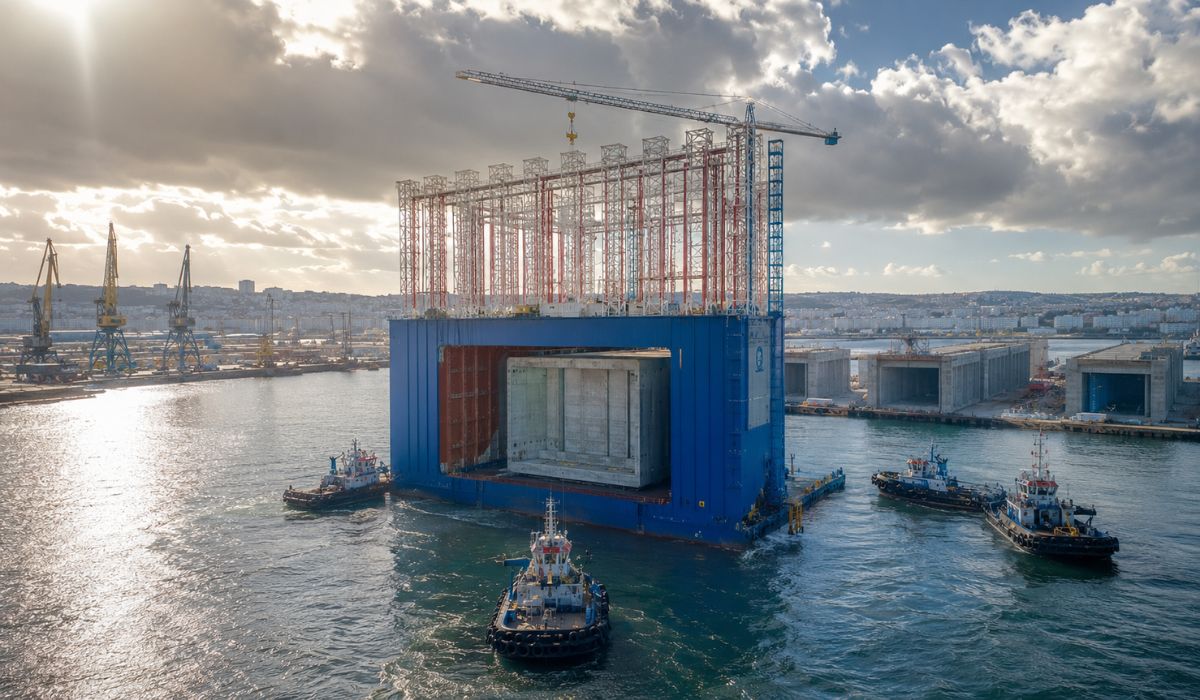
Spain Launches World’s Largest Floating Dry Dock: 56-Meter Giant Produces Massive Concrete Structures in A Coruña Using Technology Proven in Brazil

-
AI-powered toys that talk, recognize faces, and collect data face scrutiny from Brazilian government over children’s privacy concerns

-
4,000-Year-Old Child’s Skull Unveils Ancient Burial in 7,500-Year-Old Norwegian Rock Shelter, Impressing Archaeologists

-
Norway Defeats Brazil in World Cup but Invests Billions to Preserve the Amazon, Strengthens Amazon Fund, and Joins Brazil in Leading Global Effort Against Tropical Deforestation



Researchers revisited records from 49 seismic stations, including measurements from 2001 to 2004 and from 2012 to 2015. What previously went unnoticed in the data noise appeared as an underground map of small tremors.
The result is striking: more than 500 previously undetected earthquakes were identified beneath the region of the David Glacier, a massive ice sheet that connects areas of East and West Antarctica.
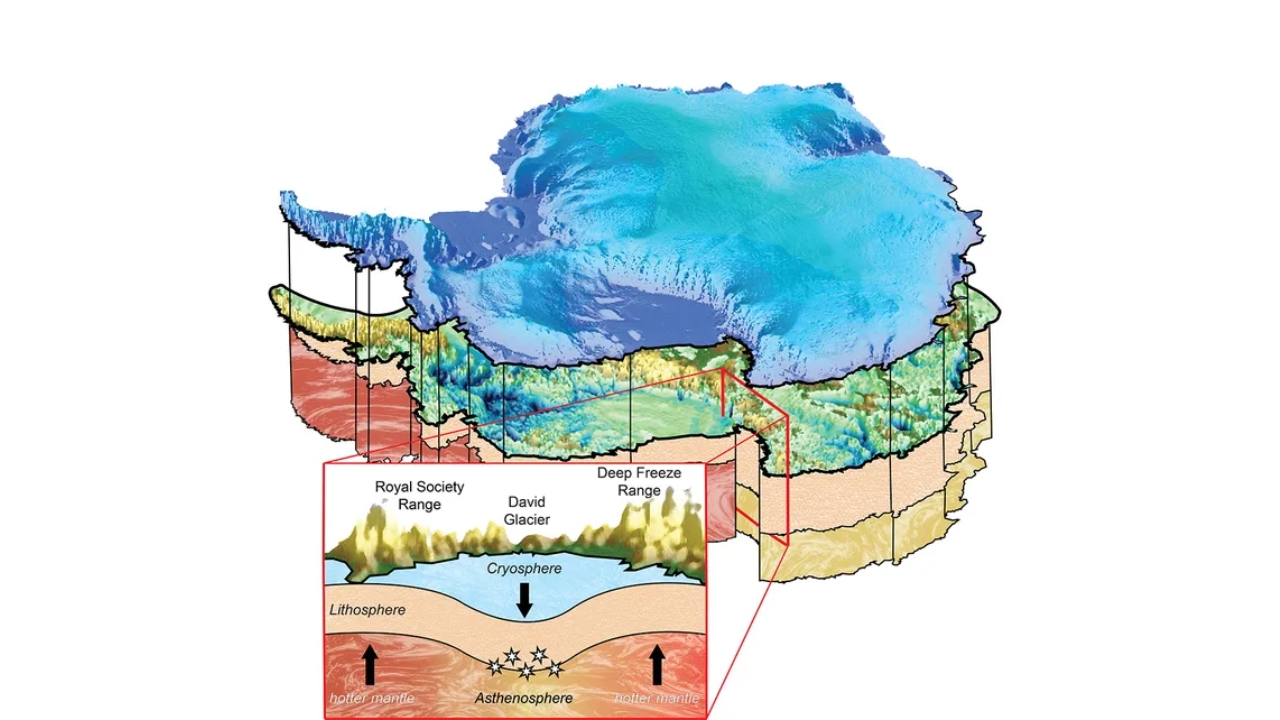
Image credit: Samantha Hansen and Long Ho, University of Alabama.
More than 500 tremors in an unexpected place
The earthquakes were located about 100 to 150 kilometers deep, a range considered unusual for this context. Generally, such tremors are associated with subduction zones, where one tectonic plate dives beneath another.
But here is the detail that makes the discovery so powerful: these events appeared far from the active boundaries of tectonic plates. This changes the tone of the news because it suggests that deep processes within the continent may be producing tensions that traditional models did not always highlight.
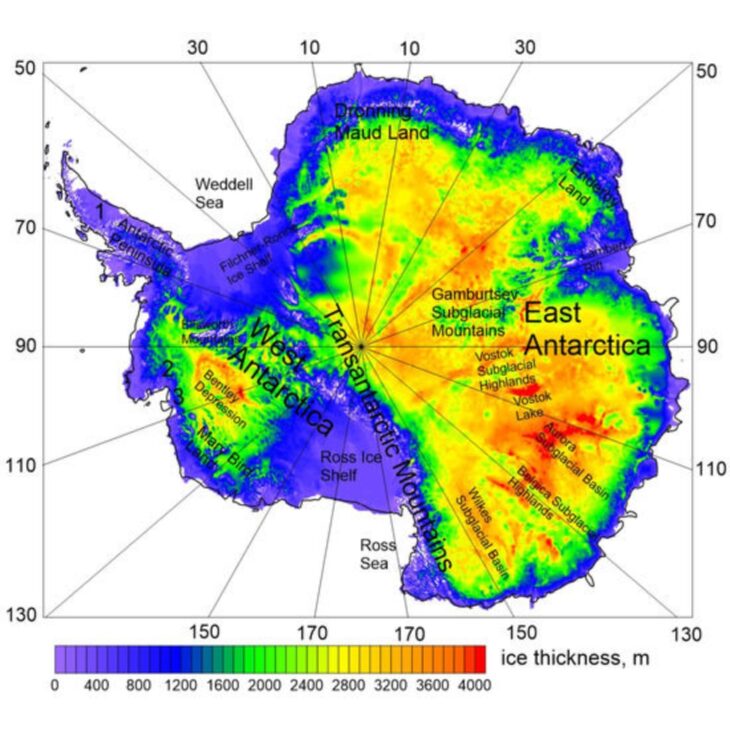
The David Glacier is also not just any piece of this puzzle. It stretches for almost 1,100 kilometers and helps drain about 4% of the East Antarctic ice sheet towards the ocean. In other words, the activity happens right under a gigantic structure, linked to the behavior of the ice and the future of one of the most sensitive regions on the planet.
Artificial intelligence heard what the instruments did not show
The decisive point of the research was the use of artificial intelligence to scour existing data. It is not about predicting earthquakes or creating immediate alarms, but about seeing signals too small for traditional methods to capture with the same efficiency.
Long Ho, a geologist at the University of Alabama and the study’s first author, explained that the tremors occur where cold, rigid rocks of East Antarctica meet warmer, more malleable materials under West Antarctica. This contrast creates an abrupt change in tectonic resistance.
The detected magnitudes range from 1.6 to 3.5, meaning they are small tremors. Even so, the scientific value is enormous. They indicate that the solid part of the Earth beneath the ice may be more connected to the surface dynamics than it seemed.
There is no immediate threat, but the scientific alert has grown
Despite the impact of the discovery, researchers indicate that the tremors are not strong enough to threaten the ice sheet above or the Antarctic ecosystem. The immediate risk, therefore, is not of a collapse caused by earthquakes.
What concerns and fascinates is something else: the possibility that the interior of the continents holds much more hidden seismic activity than previously imagined. With better tools, regions once considered silent may begin to reveal an unexpected underground life.
The Antarctic, in this sense, becomes a kind of natural laboratory. The ice hides mountains, valleys, basins, and now also a set of deep tremors that help tell a more complex story about force, pressure, heat, and movement.
Why this discovery matters now
The big breakthrough is that old data has gained new value. Information collected more than a decade ago was practically waiting for technology capable of listening to these signals with more precision.
This opens the way for new questions. Can the immense weight of the ice layer influence the location of the tremors? Can changes in the ice alter the stresses in the rocks below? Do other continents also hide deep and silent earthquakes?
For now, the definitive answer does not yet exist. But the discovery already breaks down a comfortable idea: that Antarctica is just a white and immobile desert.
Beneath the frozen surface, the continent breathes, creaks, and adjusts in silence. And now that artificial intelligence has begun to listen to these signals, Antarctica no longer seems as quiet as the world believed.