Portuguese
  Spanish


The system is from the German company NiTO Holzstein and uses certified structural wood blocks with high precision joints. It has German approval for up to two floors and an attic. The seven-day period, however, applies to the structural shell, not a house ready to live in.
Without cement, glue, or a single screw, interlocking wooden blocks promise to raise the skeleton of a house in about seven days, with one worker assembling one square meter of wall in less than a minute. According to the report published by the NSC portal in June, the technology was created in Germany and proposes walls made of solid wood blocks that fit together. The idea attempts to shorten the path for those who associate construction with brick and mortar.
According to the material, the system was developed by the German company NiTO Holzstein and gained attention for promising the assembly of the structural shell of a house in about seven days. The promise, however, needs to be read carefully, because the timeframe does not mean a move-in ready property, but the main structure erected before the stages of foundation, installations, roofing, and finishing. It is worth mentioning that the solution does not dispense with engineers, architects, and specialized professionals.
How wooden blocks raise the house without cement
The principle of the system is in the interlocking of the pieces. The basis of the invention is structural wood blocks with high precision joints and, instead of cement or mortar, the system locks one block into another to form the walls of the house. According to the company, a trained worker can assemble about one square meter of wall in less than a minute, a speed that comes from the modular model, as the pieces arrive ready at the site and are installed according to the project.
-
Two-Bedroom Home Built in a 40-Foot Shipping Container Delivered and Ready for Same-Day Living in São Paulo Countryside

-
China Constructs Artificial Island 32 km Offshore for Yangshan Port, Connected to Shanghai by 32 km Bridge, Unloading 3,000 Containers in 20 Hours
-
China’s $70 Billion River Diversion Project, the World’s Largest, Moves 44.8 Billion Cubic Meters Annually, Crosses Under the Yellow River, and Displaced 330,000 People
-
Indian Driver Spends 14 Years Digging 10-Meter Tunnel Through Mountain to Connect Isolated Village to the World





In practice, the method changes the routine of the site. According to the material, the technology reduces the wet stages of construction, decreases the need for heavy equipment, and can make the assembly of the structure cleaner. Still, the report emphasizes that the system does not eliminate the work of engineers, architects, and other specialized professionals, who remain necessary for the project.
Wood instead of cement, and the environmental appeal
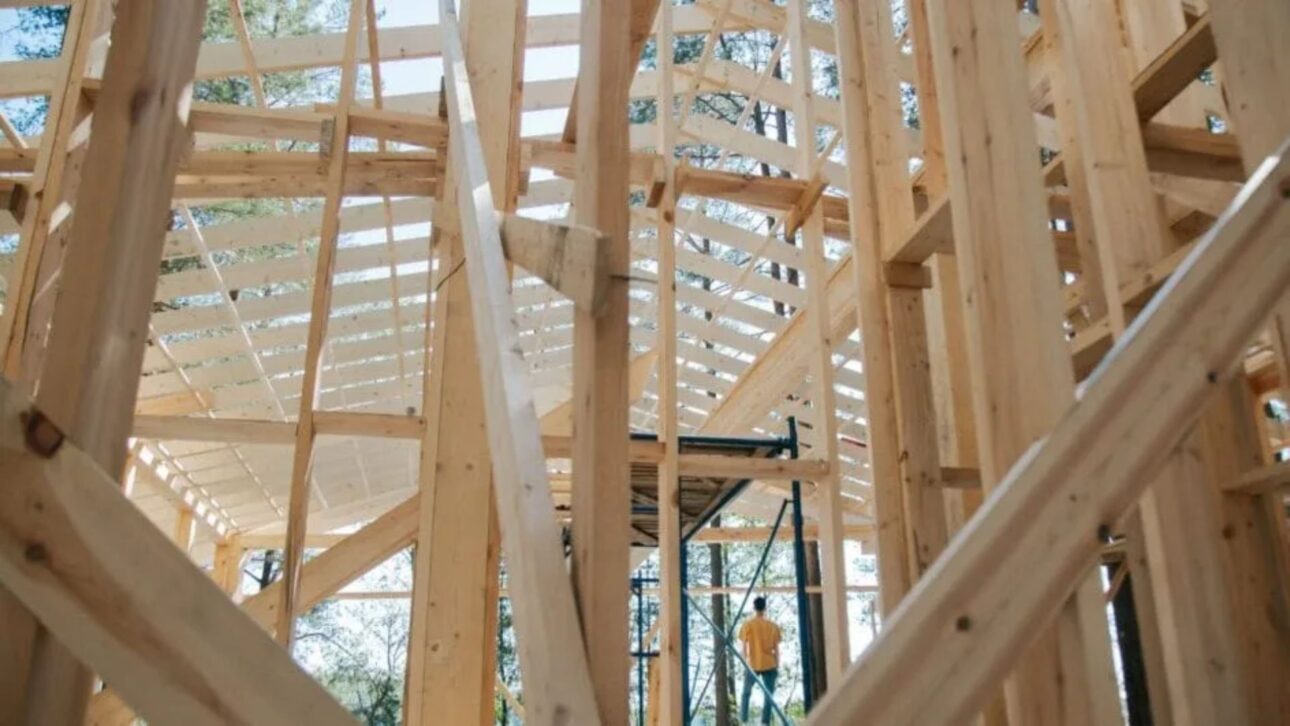
The material of the pieces is a central part of the proposal. The blocks are made of certified structural wood, used in construction for its strength and stability, and even the internal connections are made with wood, without metal or synthetic adhesives. This type of solution facilitates repairs, expansions, and even future dismantling, and can help in recycling materials at the end of the house’s useful life, as it avoids mixing components that are difficult to separate.
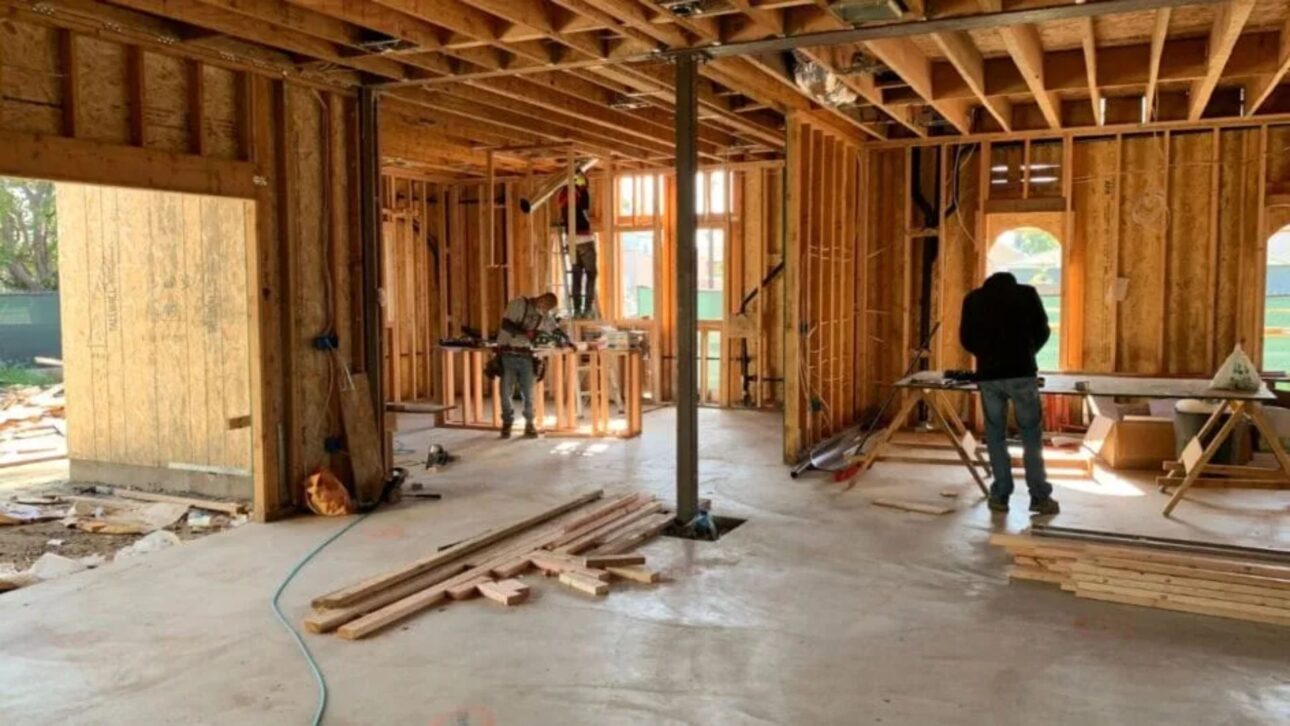
The choice follows a trend in the sector. According to the material, opting for wood follows a movement in the construction industry in search of alternatives with less environmental impact. The United Nations Environment Programme report indicates that buildings and construction remain linked to a significant share of global CO₂ emissions and material consumption worldwide.
What can be built with the technology
Approval defines the limits of use. The system received approval from the German Institute for Construction Technology, the DIBt, for buildings up to two floors and an attic. With this, it can be used in a house, annexes, garages, small commercial properties, and smaller residential constructions.
Outside Germany, however, nothing is automatic. According to the material, adoption in other countries depends on the rules of each place, and factors such as local regulations, climate, availability of certified wood, and trained labor directly impact the feasibility of the method. In other words, the approval is German, and applying the system in another country requires its own evaluation.
House ready in seven days? What the promise really means
The most important point is to separate the appeal from the reality of the work. The structure can be erected in a few days, but a habitable house requires other stages because, after the wall assembly, there are still the roof, insulation, doors, windows, electrical and plumbing installations, coatings, and finishes. Therefore, the technology does not eliminate the total construction time but can accelerate one of the heaviest phases of the process.
Even with the caveats, the innovation points a way forward. According to the material, the German invention shows how the construction industry is beginning to test solutions that are less dependent on cement. For a sector marked by long deadlines, waste, and high material consumption, building walls without mortar already represents an important change in the way residential projects are conceived.
The system from the German company NiTO Holzstein erects the skeleton of a house with structural wooden blocks that fit together without cement, glue, or screws, in about seven days, with one worker assembling one square meter of wall in less than a minute. It is a cleaner, modular, and lower-impact proposal, with German approval for up to two floors and an attic. Nevertheless, the seven days apply only to the structural shell, not to a house ready to live in, the performance figures come from the company, and use outside Germany depends on local regulations, climate, wood, and labor, so the technology speeds up a heavy phase without shortening the entire construction time.
And you, would you live in a house made of wooden blocks without cement, or do you still trust more in traditional brick and mortar? Share your opinion and exchange ideas with other readers about the future of construction, respecting different viewpoints.