Portuguese
  Spanish


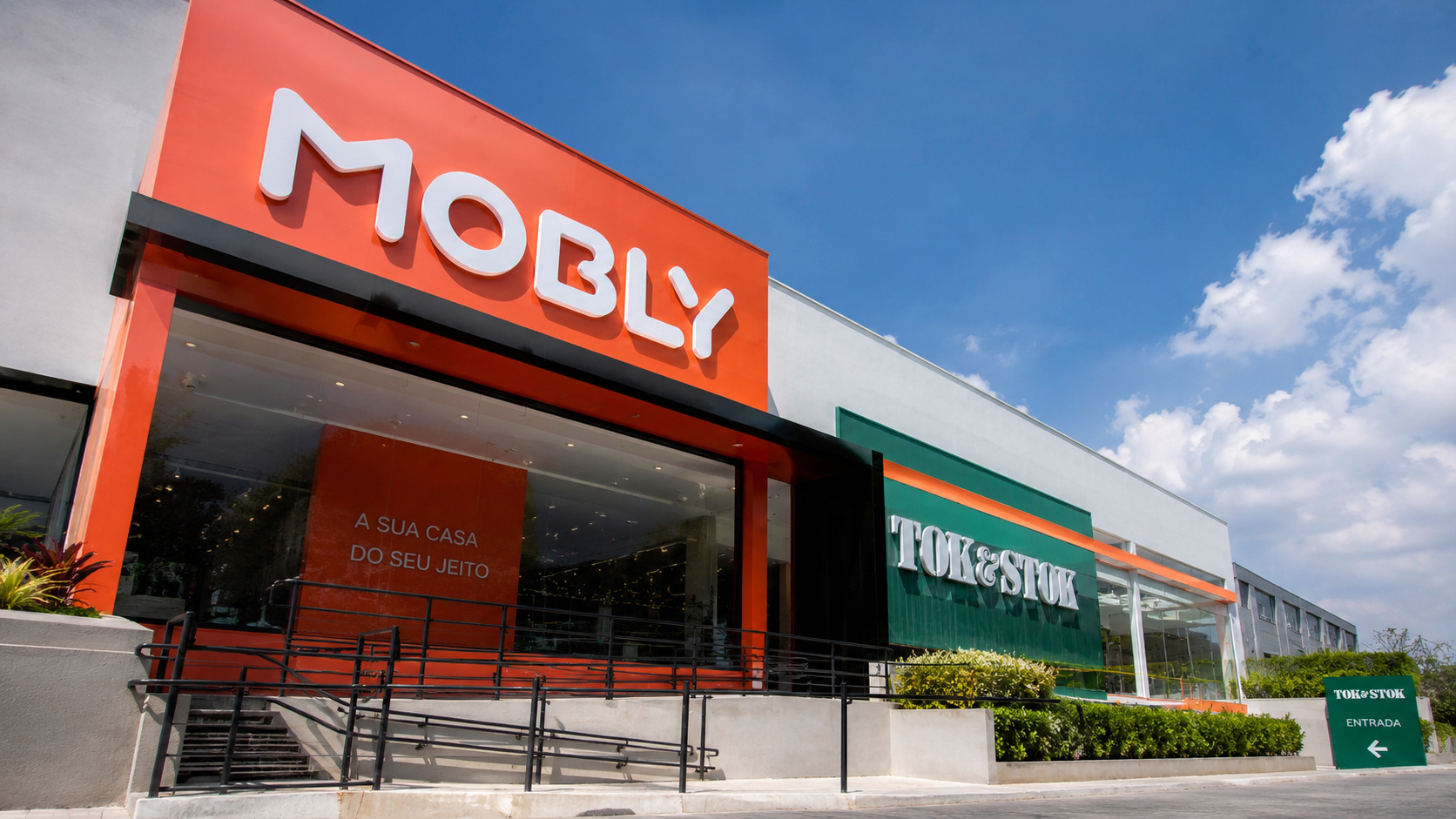

Judicial recovery approved in São Paulo paves the way for Grupo Toky to renegotiate debts, maintain activities, and avoid operational shutdown.
The São Paulo Court approved the judicial recovery request of Grupo Toky, owner of Tok&Stok, Mobly, and Guldi, after the company reported a debt exceeding R$ 1 billion.
The decision was confirmed by the company on Monday, June 15, 2026, after the request was submitted in May to the 3rd Bankruptcy and Judicial Recovery Court of the Central Civil Forum of São Paulo.
According to the group, the debt increase occurred amid pressure in the furniture and decoration sector. High interest rates, tighter credit, and higher household debt reduced sales and affected cash flow.
-
Brazil to Issue “Panda Bonds” in China, Aiming to Raise Up to 5 Billion Yuan at Lower Interest Rates Than Dollar Debt
-
NATO Faces Internal Tensions as U.S. Pushes for Increased Defense Spending, Targeting 5% of GDP by 2035, with Warnings for Countries Near 2% Level

-
Brazil to Introduce B16 Diesel with Increased Soybean Oil Content for Trucks by 2026
-
Brazil’s July Bolsa Família Payments May Include Extra $150 and $50 for Families with Children, Pregnant Women, and Updated CadÚnico Registration


Judicial recovery seeks to preserve operation
Judicial recovery allows financially troubled companies to renegotiate debts under court protection, without immediately halting their activities.
Grupo Toky states that the request aims to preserve operations, maintain customer services, and create conditions to reorganize its financial obligations.
Negotiations with creditors had already been underway. Even so, the debt continued to grow, leading the company to seek judicial protection.
Request cites risk of irreparable damage
In the process presented to the São Paulo Court, Grupo Toky stated there was a risk of irreparable damage to the company’s operations.
The company requested urgent measures to prevent the collapse of activities and ensure the continuity of brand operations.
One of the main points involves the release of approximately R$ 77 million in credit card sales. According to the group, these amounts were withheld by SRM Bank.
The company claims that the blockage affected cash flow and jeopardized basic payments, including salaries of more than 2,000 employees.
Group requests suspension of charges for 180 days
Grupo Toky also requested the suspension of charges and actions for debts for 180 days, a period known as the stay period.
This timeframe should allow the company to negotiate with creditors and attempt to reorganize its debts in a structured manner.
The company also requested the maintenance of contracts and services considered essential for the operation’s functioning.
Among them are logistics, transportation, digital systems, cloud computing, electricity, and water supply.

Grupo Toky was born from the union between Mobly and Tok&Stok
Grupo Toky was created in 2024, following the union between Mobly and Tok&Stok, two traditional brands in the furniture and decoration sector in Brazil.
The merger gave rise to one of the largest home and decoration retail groups in Latin America, combining physical and digital operations.
Mobly was founded in 2011 by Victor Pereira Noda, Marcelo Rodrigues Marques, and Mário Carlos Fernandes Filho, with an initial focus on online sales of furniture and decoration items.
Over time, the company expanded its operations to physical stores, including megastores, outlets, and compact stores.
Tok&Stok was founded in 1978 by the French Régis and Ghislaine Dubrule. The brand gained ground in the Brazilian market by betting on modern, modular, and affordable furniture.
The company’s growth followed the expansion of the urban middle class and the apartment market in the country.
Besides Tok&Stok and Mobly, the group also includes Guldi, focused on the mattress segment.
What happens now with Tok&Stok and Mobly
The judicial recovery opens a new stage for Grupo Toky, which now seeks to renegotiate debts and preserve its operations.
The company tries to maintain stores, jobs, essential services, and contracts while reorganizing its financial situation.
The case also exposes the pressure faced by the furniture and decoration retail sector, affected by high interest rates, restricted credit, and weaker consumption.
Will Tok&Stok and Mobly be able to recover from the financial crisis and maintain their operations in the Brazilian retail market?