Portuguese
  Spanish


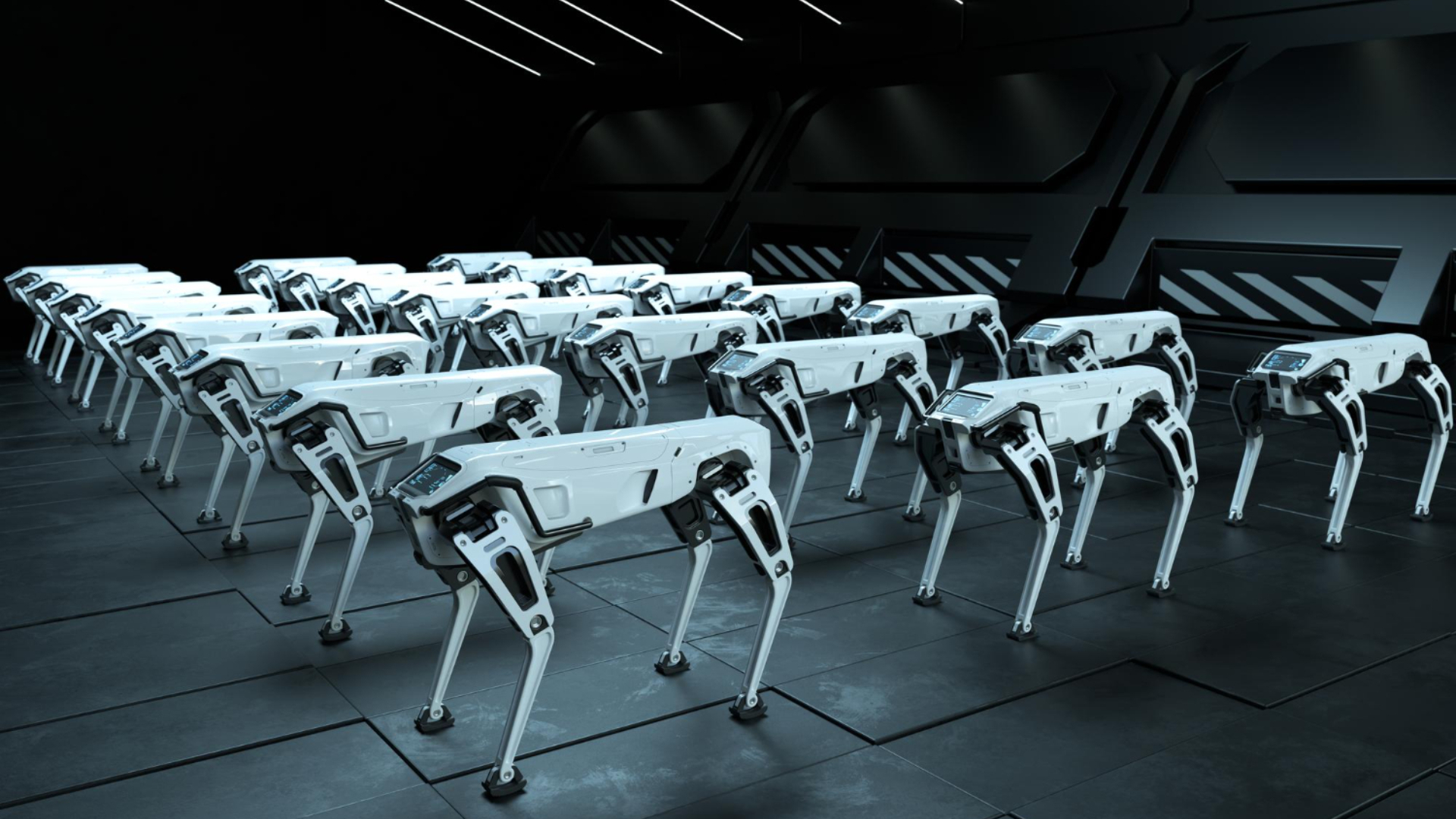


Submarine-launched anti-mine vehicles, autonomous underwater drones, robotic combat dogs, and anti-drone systems were showcased at the Chengdu defense exhibition, expanding China’s display of uncrewed military technologies for sea, land, and air operations
Submarine-launched anti-mine vehicles were showcased by China at the Chengdu Defense Technology Industry Exhibition 2026, alongside robotic combat dogs, logistics drones, anti-drone systems, and electronic warfare equipment. Autonomous underwater drones are among the main attractions, capable of detecting and neutralizing naval mines in deep waters without the submarine needing to surface.
Anti-mine vehicles operate from torpedo tubes
Among the systems on display, submarine-launched autonomous underwater vehicles drew attention for being designed for deep waters and reconnaissance missions. The platforms can be launched from 260 mm and 533 mm torpedo tubes, allowing direct use from submerged submarines.
Chinese developers stated that the vehicles are aimed at high-precision oceanographic surveys, seafloor mapping, and underwater reconnaissance. The larger model can operate at depths of up to 3,000 meters, a fact associated with China’s advancement in naval technologies and autonomous AI-powered systems.
-
16-Year-Old from Brazil’s Sertão Wins Young Scientist Award for AI Predicting Rainfall with 94.5% Accuracy to Aid Farmers

-
Netherlands Reports First Child Euthanasia Case Since Rule Expansion for Minors

-
Brazilian Innovator Survives Homemade Submarine Dive in Paraty Despite Hatch Leak and False Oxygen Alarm
-
China Develops Custom 140-Ton Electric Mining Truck with 770 kWh Swappable Battery, Deploys 290 Units in Xinjiang’s Largest Zinc Mine



The system was presented as capable of performing reconnaissance, long-range patrols, and mine clearance without direct human guidance or external software support.
Underwater drones detect and neutralize threats
China Central Television reported that the underwater vehicle can receive specialized mission modules to detect and neutralize underwater threats, including naval mines. The modular design also allows for adding batteries for prolonged operations or advanced sensors for deep-water reconnaissance and seafloor mapping.
The report classified the platform as an intelligent underwater robot, capable of operating independently on behalf of its mother submarine. The presentation reinforced the presence of AI-enabled autonomous naval warfare systems among the technologies showcased in Chengdu.
The anti-mine vehicles also fit into the broader array of advanced uncrewed systems presented at the event. The exhibition brought together underwater, land, air, logistics, and anti-drone technologies, with an emphasis on autonomous platforms and direct uncrewed operations.
Robotic dogs expand focus on land combat
Robot dogs and robot wolves used by the People’s Liberation Army were also on display. The presence of this equipment highlighted China’s focus on uncrewed land combat systems, alongside the naval and aerial platforms presented at the event.
Chinese state media stated that these robots can navigate difficult terrain and act as stable mobile weapon platforms. The equipment was described as resistant to recoil and explosion impacts, characteristics associated with deployment in combat environments.
Cargo drones and anti-drone systems gain prominence
Large uncrewed cargo aircraft and large-capacity supply drones were also part of the exhibition. One of the main systems was the HH-200 aerial truck, from the Aviation Industry Corporation of China, designed to transport up to 1,500 kg of cargo over long distances, with relatively low costs.
The exhibition also showcased a high-capacity multi-rotor drone, aimed at stability in transport missions. The platform can carry up to 500 kg and air-drop supplies to remote military outposts or disaster-stricken areas.
Anti-drone systems formed another relevant focus of the exhibition, with technologies to detect, disrupt, and neutralize hostile uncrewed aircraft. A platform designed against swarms presented an approximate detection range of 10 kilometers, combining radar, electro-optical, and electromagnetic sensors.
Portable electronic warfare equipment was also displayed, including handheld simulation weapons and backpack systems. These capabilities can interfere with enemy drone controls and force them to land in designated locations. In this context, the anti-mine vehicles appear as a showcase of Chinese military autonomy.