






 Portuguese
  Spanish


China has updated its Type 903A class replenishment ships with dual fuel coupling, doubling refueling speed in naval operations.
The Chinese Navy (PLA Navy) has just made a significant logistical leap. Recent images confirm that the new Type 903A class replenishment ships have undergone a significant upgrade: each refueling station now features two fuel coupling points — double that of previous models. The change allows two hoses to be connected simultaneously, effectively doubling the fuel transfer speed during at-sea operations.
What has changed in the Type 903A replenishment ships
In older Type 903 class models — and even in the first batches of the Type 903A itself — each refueling station had only one connection point for fuel hoses. This limited both the speed and flexibility of at-sea replenishment operations.
With the new configuration, the latest ships now operate with two simultaneous couplings per station. In addition to faster refueling, the system allows for the transfer of two different types of fuel at the same time — such as aviation kerosene and naval diesel — something that was not possible with the previous generation.
-
U.S. Air Force Launches Air-to-Air Missile Project with Range of Up to 1,850 km for Indo-Pacific Operations

-
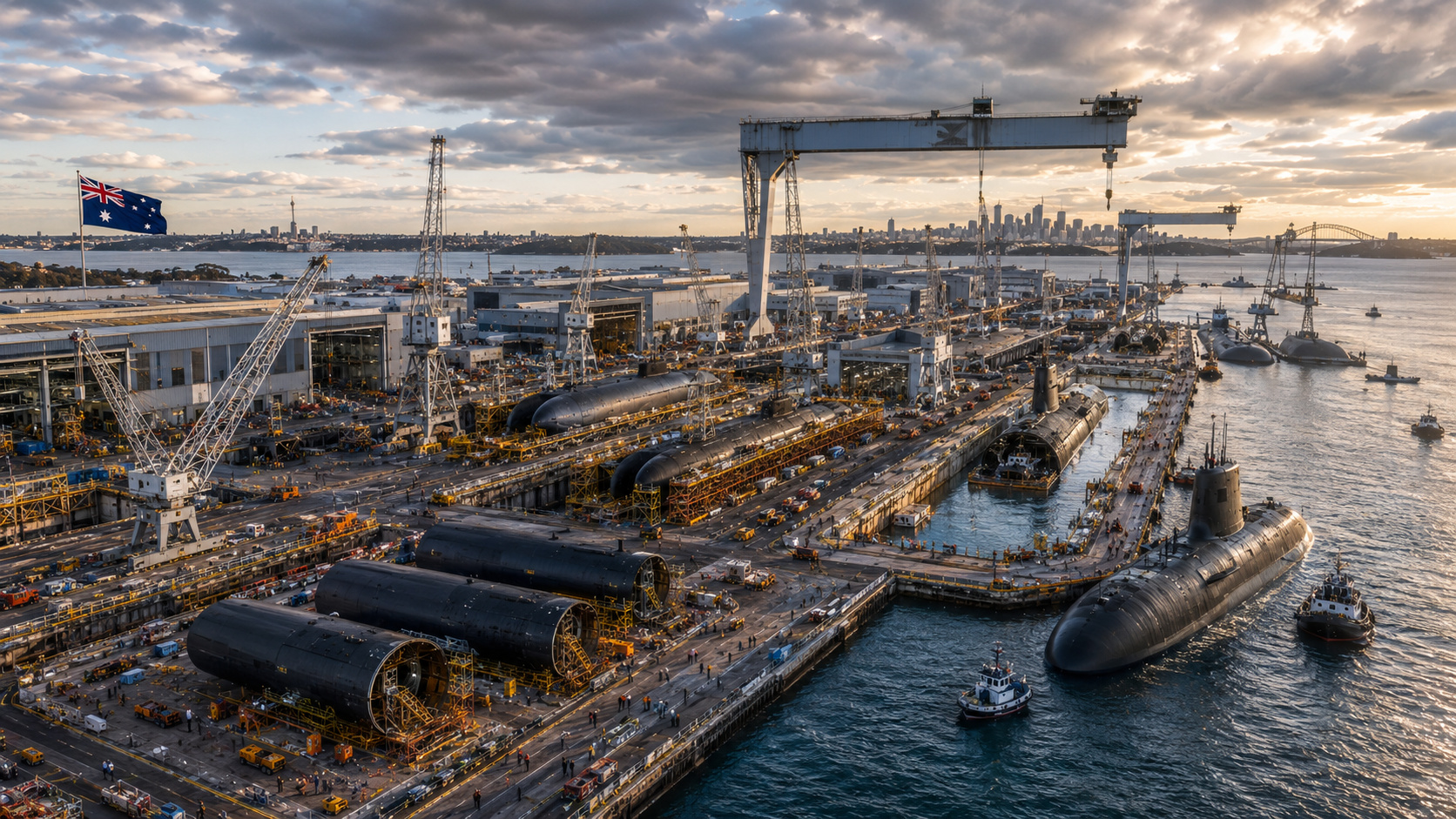
Australia to Deploy Up to 8 Nuclear-Powered Submarines in Indo-Pacific, Establishes Billion-Dollar Naval Chain Through AUKUS, Joining Elite Group Capable of Extended Underwater Missions

-
Indonesia Begins Construction of 2,000-Ton Scorpène Stealth Submarines with Advanced Weaponry and French Steel

-
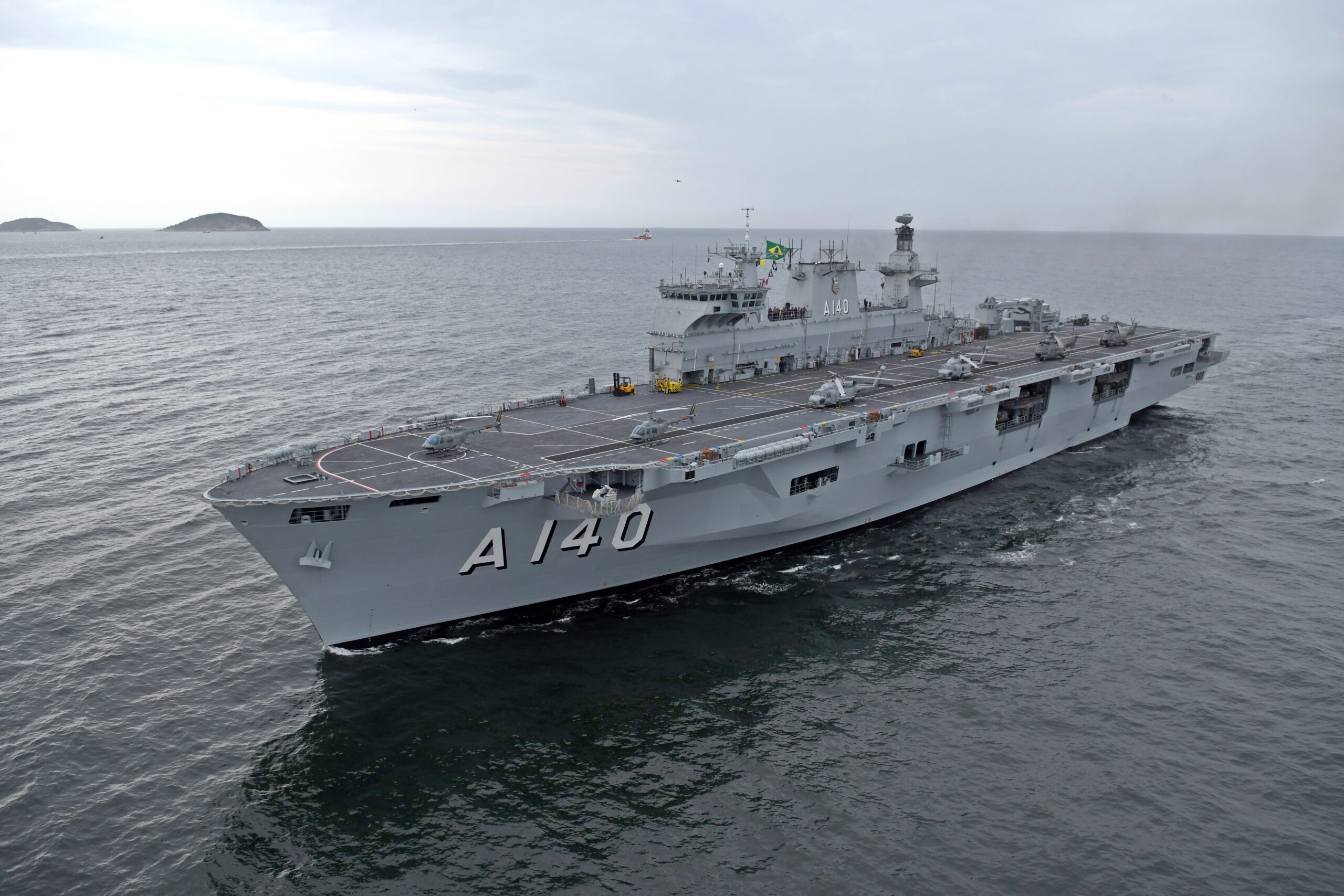
Brazil’s Largest Navy Ship, NAM Atlântico, Transforms into Field Hospital During National Crises



Why this matters for Chinese military operations
Replenishment ships are the backbone of naval logistics at sea. Without them, combat groups must return to port for refueling, which drastically shortens the range and duration of missions.
Therefore, the faster a tanker can refuel surrounding vessels, the greater a naval group’s ability to remain operating far from its bases. This point is especially critical in high-intensity scenarios, where time is a decisive factor.

Furthermore, the ability to simultaneously transfer aviation kerosene and naval diesel expands support for task groups that include aircraft carriers and warships at the same time — an increasingly common composition in the Chinese fleet.
Comparison: Old Type 903A vs. Updated Type 903A
| Feature | Previous version | New version |
| Couplings per station | 1 | 2 |
| Simultaneous fuel transfer | No | Yes |
| Refueling speed | Standard | Doubled |
| Types of fuel transferred simultaneously | 1 | 2 (e.g., kerosene + naval diesel) |
The update to the Type 903A class ships reinforces the PLA Navy’s ability to sustain prolonged operations in waters far from Chinese territory. This is an essential component for what analysts call “naval power projection” — a navy’s ability to operate effectively anywhere in the world.
Among the points that make this update strategically relevant are:
- Greater autonomy for combat groups on long-duration missions.
- Reduced exposure time during at-sea replenishment operations.
- Simultaneous support for different types of vessels (carrier-borne aircraft and surface ships).
- Superior logistical capability in high-intensity conflict scenarios.
- Less dependence on returning to port for full replenishment.
Comparative images between the old and new versions make the difference visible: two connection points per station in the updated models, versus only one in the older ships of the same class.

Source: Poder Naval







