Portuguese
  Spanish


Excessive Production Of Solar Panels Leads To Historic Price Drop, Billion-Dollar Losses, And Mass Layoffs. Now, Beijing Orchestrates Factory Closures And Restrictions To Prevent Sector Collapse.
China, the world’s largest producer of solar panels, is facing an unexpected crisis: the very efficiency and speed of production have brought the sector to the brink of collapse. With nearly 90% of global production concentrated in its factories, the country has caused a global imbalance in supply and demand. In 2023, the Chinese industry produced 588 GW of solar cells, a number that far exceeds the global demand of 451 GW, according to data revealed by the Financial Times.
This disparity generated an immediate effect: a drop in solar panel prices. Companies began selling below cost to offload inventory. The result? An estimated loss of over US$ 60 billion, along with a silent wave of layoffs, with the five largest companies in the sector reducing their workforce by 31%, equivalent to 87,000 jobs lost.
State Strategy Fueled Growth — And Imbalance
Between 2020 and 2023, the Chinese government channeled resources into three strategically important sectors: solar energy, batteries, and electric vehicles. Generous incentives created an explosion of factories and investments, driving production. At the same time, provincial governments resisted shutting down units even when they were unprofitable, as their targets were based on job creation and local production.
-
Solar energy reaches 55 GW, becoming the second largest power source in Brazil’s energy mix

-
Solar energy can increase property value by up to 10% and become a selling point.
-
Solar and wind energy surpass natural gas for the first time in the world and accelerate energy revolution

-
Africa has about 500,000 cell towers and most still burn diesel to operate, while companies rush to cover antennas with solar energy and avoid signal blackouts.
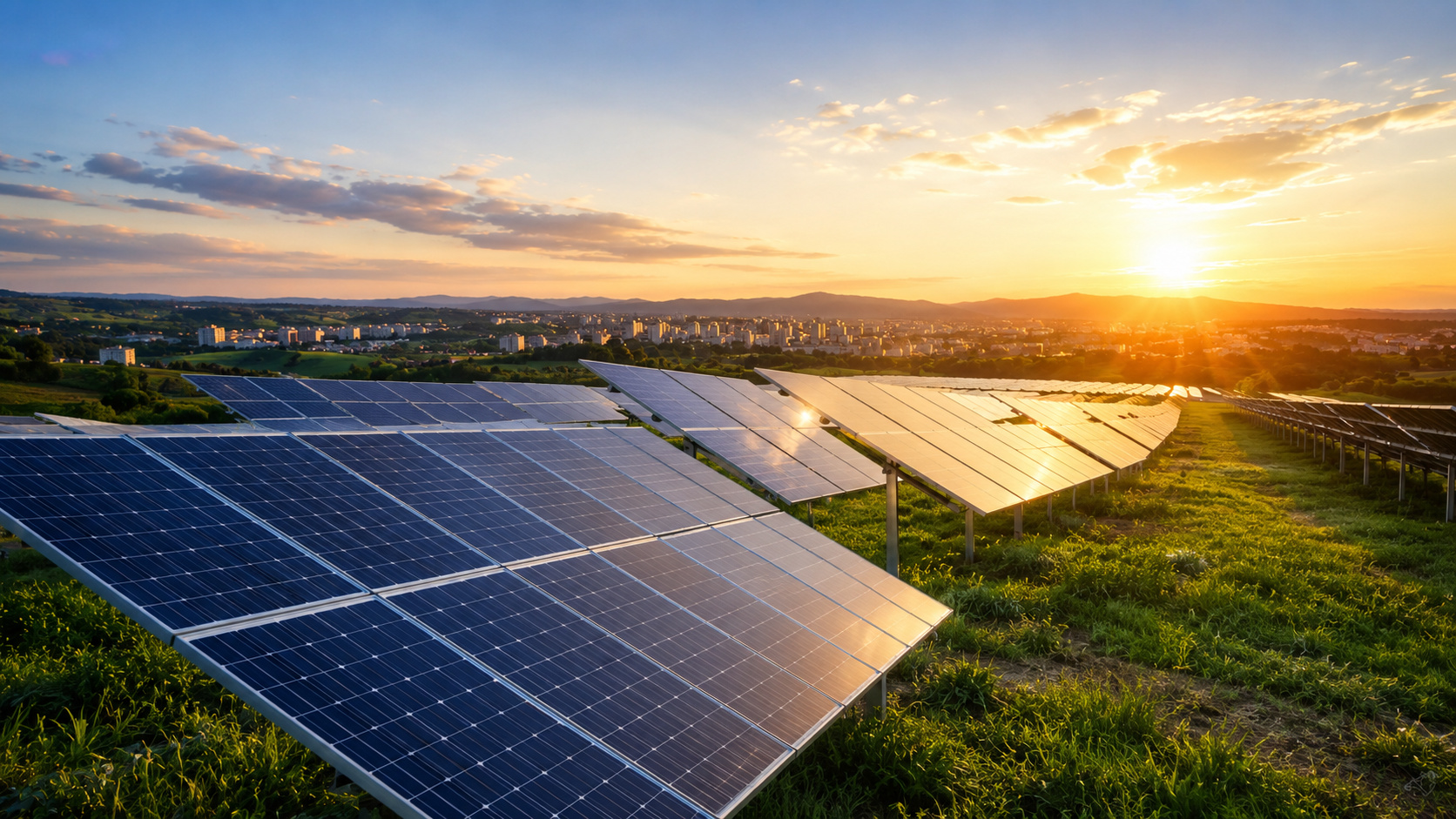



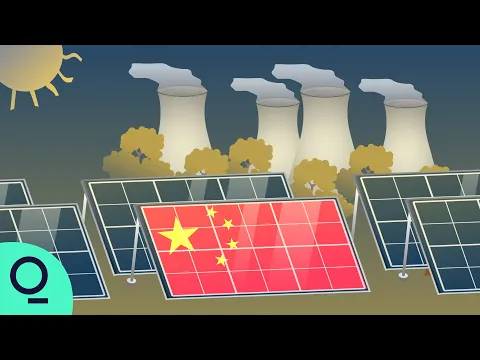

This hyper-competitive policy — once the key to success — has now turned into a systemic risk. Analyst Bo Zhengyuan summed it up well: “The same spirit that made China’s solar industry dominate the world is now destroying its foundation.”
Attempts at Self-Regulation Failed
In light of the critical situation, major companies like Longi, Tongwei, and JA Solar attempted an informal agreement in 2024 to limit production. The idea was to replicate the logic of the OPEC in oil, creating a kind of solar silicon cartel. However, the pact was non-binding, and some companies took the opportunity to produce even more and steal market shares from competitors.
The result was the opposite of what was expected: an historic oversupply and an even sharper decline in the prices of polysilicon, the sector’s main raw material, which fell to 50 yuan (about R$ 37) per kilogram, according to Bloomberg.
Beijing Steps In: Rescue Plan To “Restart” Solar Energy
With the industry in the red, the government decided to act. According to Bloomberg, a fund of at least 50 billion yuan (around US$ 7 billion) is being structured, with support from major players and the State, to buy and close more than 1 million tons of polysilicon capacity.
The main goal is to stabilize prices and prevent widespread collapse. Following the announcement, shares of companies in the sector soared. Daqo New Energy experienced a 14% rise on the Shanghai stock exchange, signaling that the market approved the initiative.
Additionally, GCL Technology suggested closing one-third of the production capacity of the Chinese solar sector. Although there are no guarantees that the plan will be implemented as early as 2025, the simple gesture has already begun to provoke a rise in spot prices.
Ministry Pressures For Factory Closures And Imposes New Rules
The Chinese Ministry of Industry summoned executives from 14 solar companies to discuss the situation and demanded the closure of underutilized facilities. The department also promised stricter restrictions on new projects and a reinforcement of environmental requirements — an attempt to contain production overreach and force the market to rebalance.
This pressure also has a political and geostrategic dimension. The excess of low-priced exports has caused friction with the United States and the European Union, which accuse Beijing of practicing dumping and harming local competitors. Nevertheless, China remains focused on sales to developing countries, especially within the Belt and Road Initiative.
Even In Crisis, Sector Has Not Stopped Investing In Technology
Despite the turbulence, the Chinese solar industry has not abandoned its bet on innovation. Just in the first half of 2025, the six largest companies in the sector invested 3.4 billion yuan in research and development, maintaining almost 17,000 professionals in R&D.
The bet seems to be paying off. In just five years, the average efficiency of solar cells has increased from 20% to 30%, according to UBS data cited by the Financial Times. In other words, even under strong pressure, the sector is making technical progress.
The Adjustment Dilemma: Cut Or Resist?
According to analysts, to restore profitability, China would need to eliminate 20% to 30% of its current production capacity. However, this level of adjustment faces strong resistance from local governments, which fear the economic and social impact of mass layoffs and factory closures.
The country now finds itself facing an uncomfortable dilemma: let internal competition devour its solar giants or intervene strongly, taking on the social and economic costs of a deep adjustment.
As economist Alicia García-Herrero warns: “In no other sector does China dominate more than in this one. Precisely for this reason, it needs to act before excess destroys its greatest success story.”