Portuguese
  Spanish


Unprecedented Standard Reinforces Commitment To Safety And Pressures Manufacturers To Adopt More Resilient Technologies. China Aims To End Fires From Electric Vehicle Batteries
China has adopted a new national safety standard for electric vehicle (EV) batteries. The measure, announced by the Ministry of Industry and Information Technology, dictates that even in cases of internal overheating, batteries must prevent fires and explosions. Manufacturers will have until July 1, 2026, to comply with the new standard.
Persistent Fear, But Data Contradict
Despite statistics showing that electric cars catch fire less frequently than combustion vehicles, the fear persists.
This happens because, when it does occur, the fire usually starts in the lithium-ion battery, a highly flammable component.
-
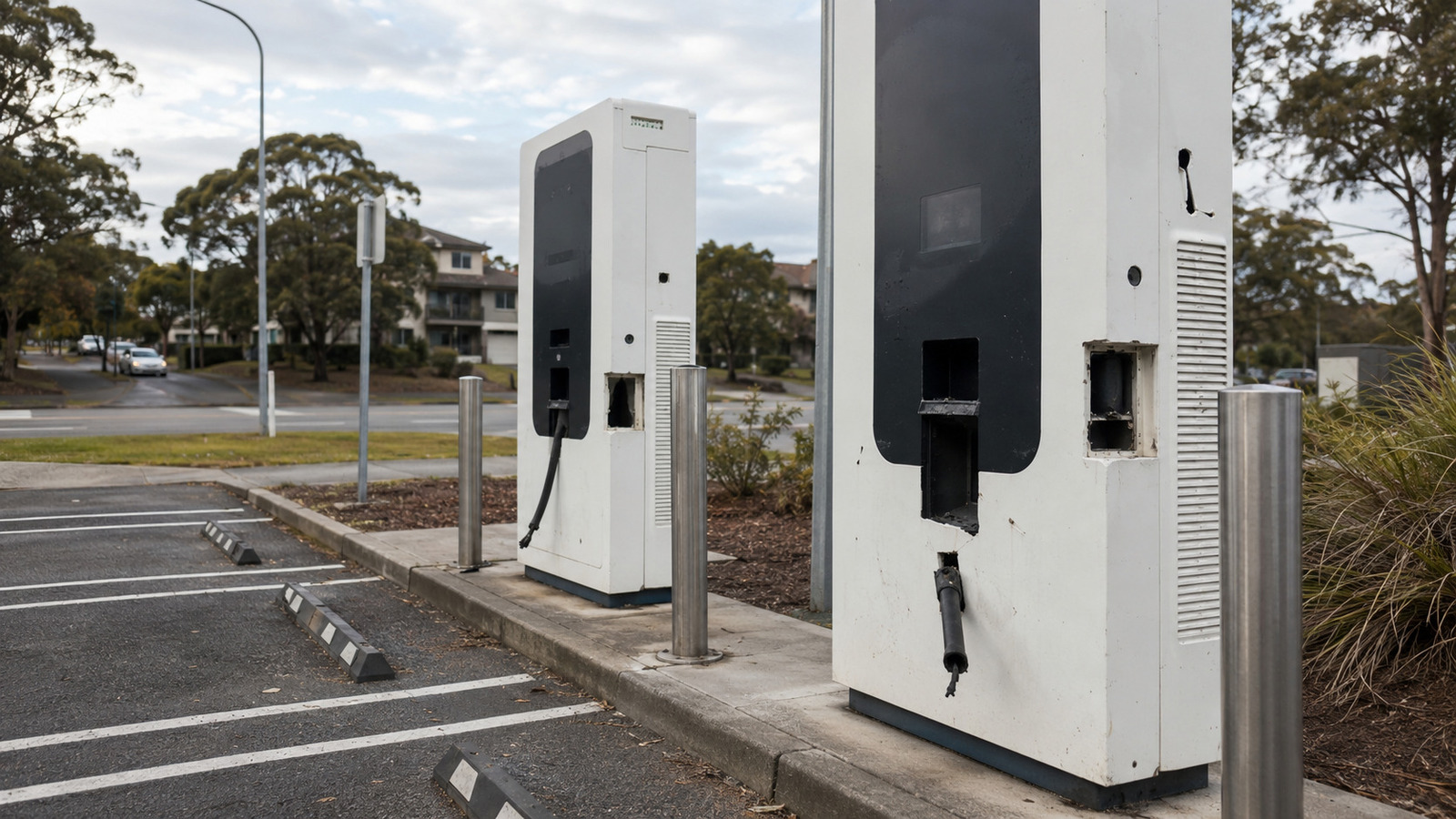
Brazil Faces Surge in Copper Wire Thefts at Electric Car Charging Stations, Leaving Drivers Stranded

-
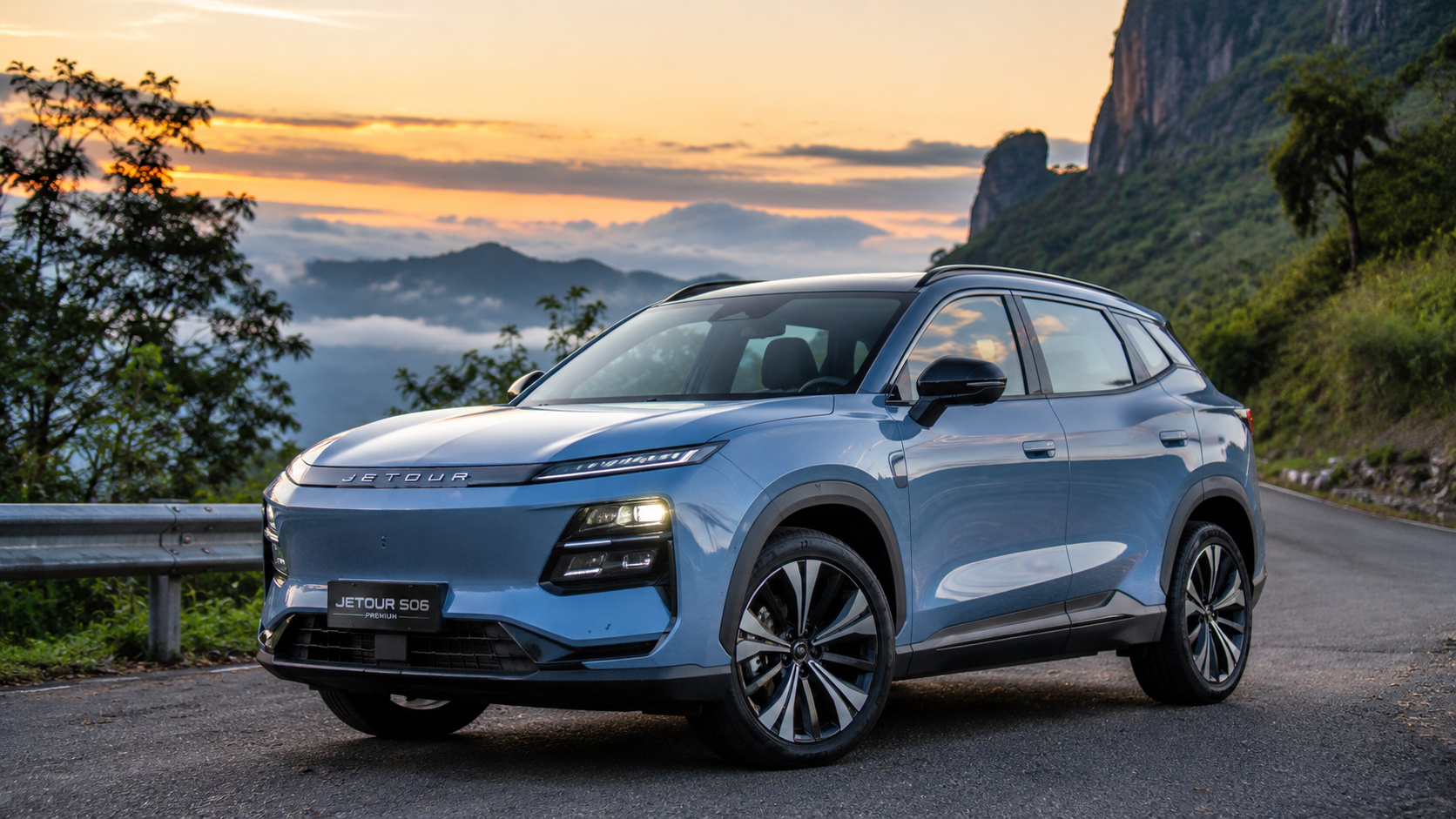
Jetour S06 Launches in Brazil as a More Affordable Plug-In Hybrid SUV Than BYD Song Plus and Haval H6, But Tests Highlight Its Shortcomings

-
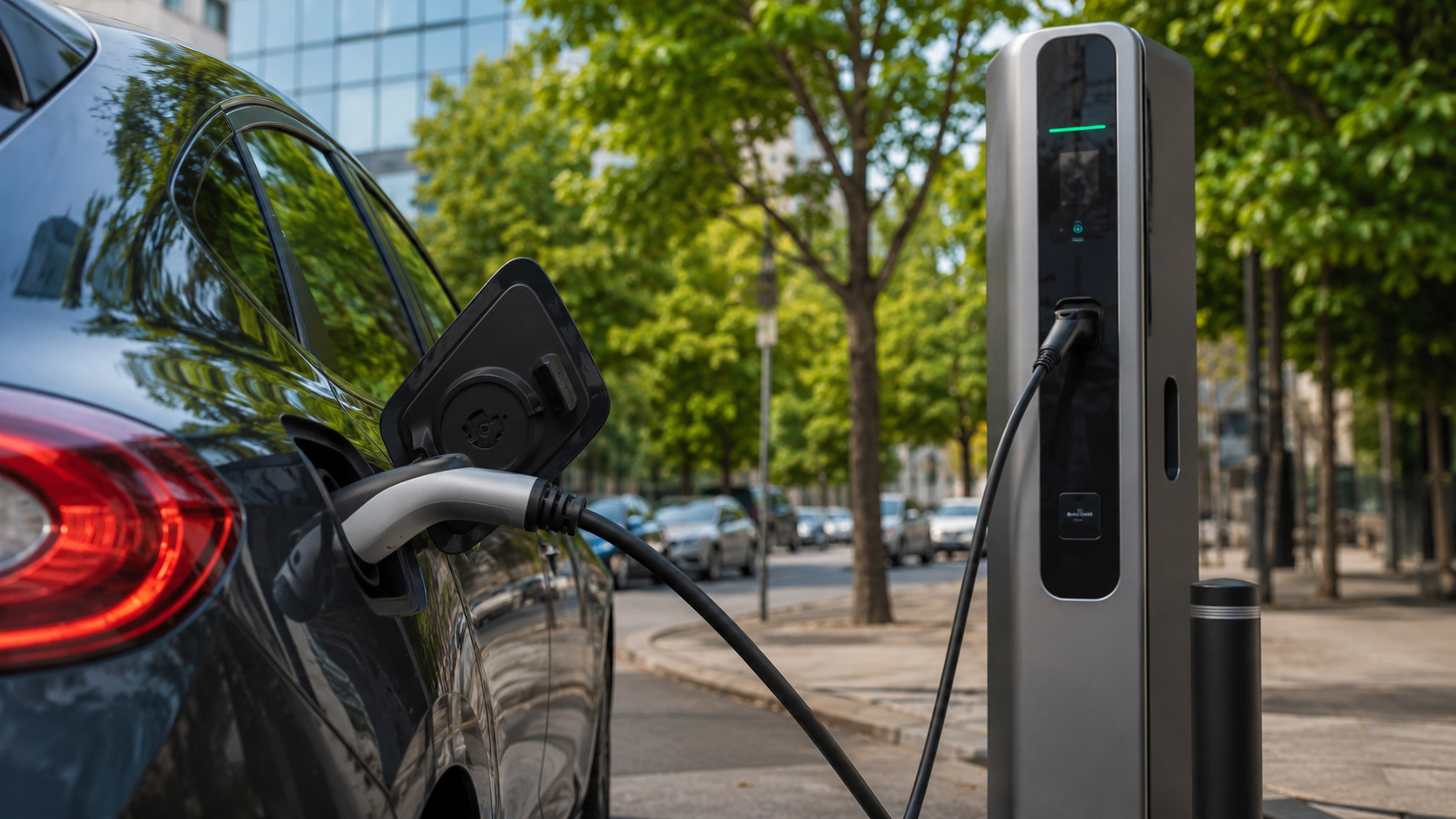
Electric and Hybrid Cars Set to Transform Brazilian Streets: A New Era Begins
-
Chinese Giant Invests $1.3 Billion in Brazil to Produce 50,000 Cars Annually, Create Jobs, Develop Local Suppliers, and Manufacture Electric, Hybrid, and Combustion Models by 2027
The problem is exacerbated because, upon overheating, the battery cell releases flammable electrolyte.
The fire remains self-sustaining since the chemical reaction also generates oxygen. Therefore, extinguishing such a fire is extremely difficult.
Not Even Water Can Resolve Fires From Electric Vehicle Batteries
Water or other flame retardants are not sufficient to put out the flames. Even submerged, a lithium-ion battery can continue burning.
The most effective method to contain this type of fire is to cool the battery assembly. This prevents heat from spreading to other cells.
Large amounts of water or special tanks are used not to extinguish the fire, but to contain the overheating.
The fire only ceases when all flammable components of the burning cell are consumed, without affecting neighboring cells. This shows that the key to preventing fires is in thermally isolating the cells.
Central Change in the New Rule
The new Chinese standard is based precisely on this principle. The main novelty is the requirement that batteries withstand thermal propagation.
Previously, the regulation only required that the system alerted the driver five minutes before a potential explosion or fire.
Now, manufacturers must prove that their batteries do not catch fire, even in cases of internal overheating.
Furthermore, it will be necessary to ensure that the gases released in such an event are not harmful to those inside the vehicle.
Stricter Testing
The standard also imposes new practical tests. One of them is the impact test on the bottom of the battery, simulating collisions where the bottom of the vehicle is hit. Another test evaluates the performance of batteries during fast recharging cycles.
In this second case, the battery must undergo 300 fast charging cycles. It will then be subjected to a short-circuit test. The battery will only be approved if it does not explode or catch fire during this process.
These tests aim to ensure that batteries do not pose risks even in extreme situations, such as collisions or failures in the recharging system. The intention is to increase the safety of vehicle occupants in case of accidents.
Fatal Fire and Impact on the Industry
The new requirement seems to have been motivated by a recent accident. A Xiaomi SU7 collided with a barrier on a highway and caught fire.
Three university students died on the spot. The incident reignited the debate about the risks of fires in EVs and the protection offered by batteries.
In addition to the safety issue, the new standard is expected to provoke changes in the Chinese industry. The cost of research, development, and manufacturing of batteries is likely to rise. This may lead to consolidation in the sector, with smaller companies being forced to merge or exit the market.
Technology Already In Use
The manufacturer CATL praised the new regulation and stated that it already possesses compatible technologies. According to the company, the first generation of its “No Thermal Propagation” technology has been present in batteries produced since 2020.
With the new standard coming into effect, the expectation is that electric vehicles in China will become even safer.
The requirement for thermal propagation containment represents an important milestone in the evolution of battery protection systems.
Information from CarNewsChina.