Portuguese
  Spanish


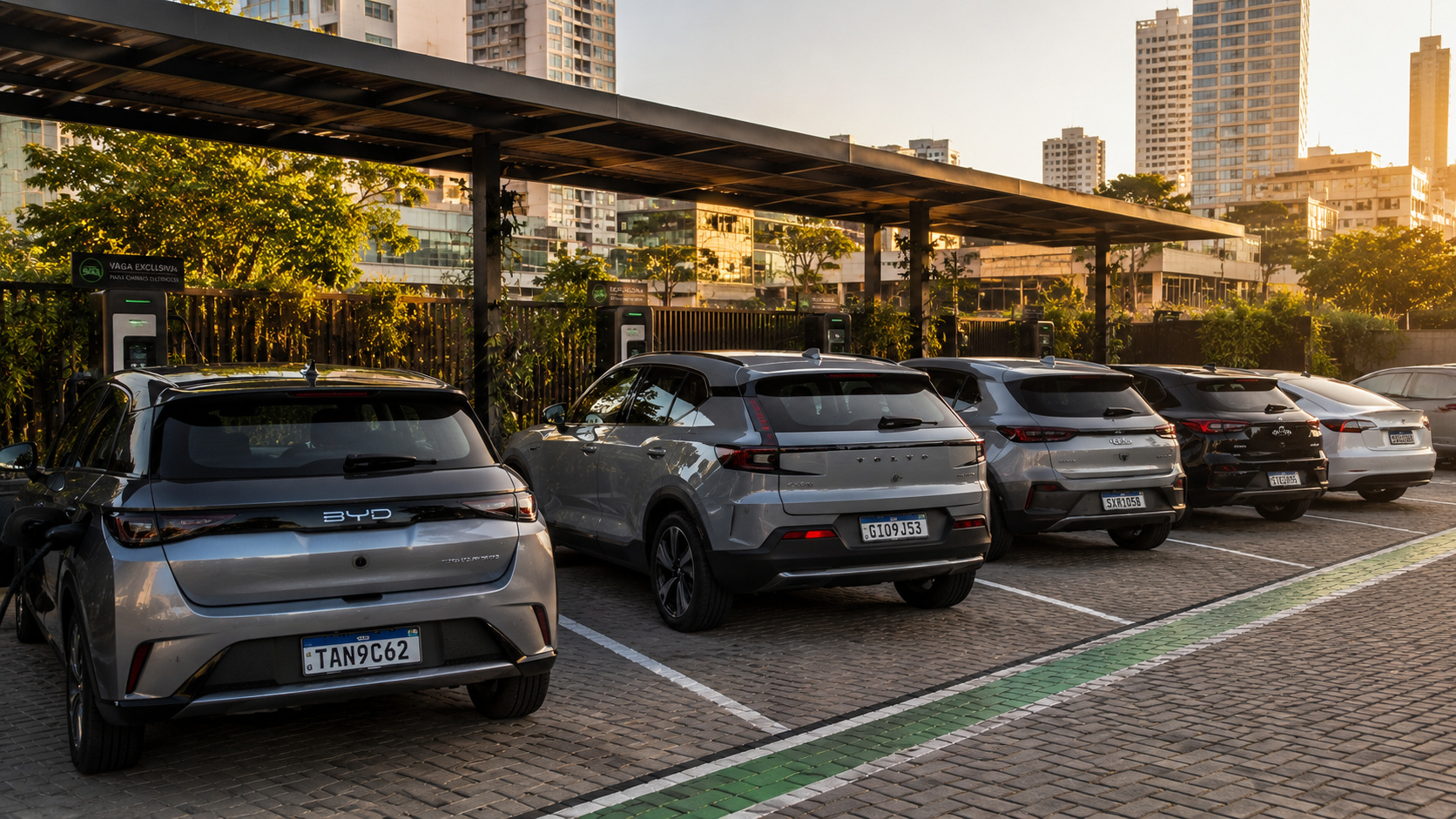

Accelerated growth of clean mobility transforms the national automotive landscape and shows how electrified vehicles are rapidly gaining ground among Brazilian consumers
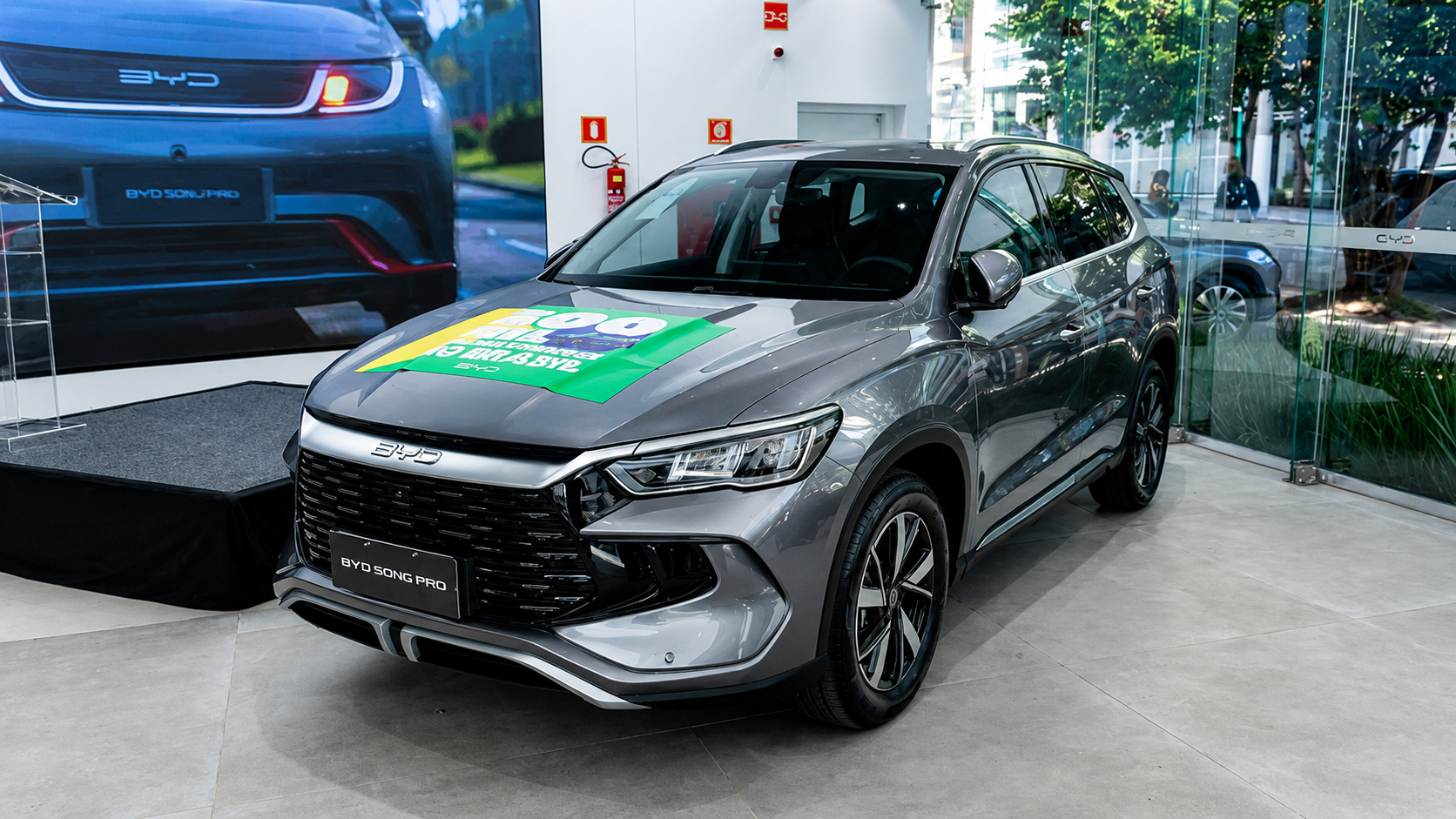
The electric car market in Brazil has just reached a new historical milestone. According to recent data, the country registered **17,488 100% electric vehicles (BEVs)** sold in April alone, consolidating an absolute record in the segment and demonstrating a profound transformation in the national automotive sector. The information was released by “ABVE”, according to the association’s official survey, which monitors the evolution of electrified vehicles in the country, showing that electrification is no longer a distant promise and has become a concrete reality.
Furthermore, this number represents a significant growth of **24.3% compared to March**, when 14,073 units were sold. Even more impressive, however, is the jump of **272% compared to April 2025**, when the total number of BEVs reached only 4,702 vehicles. In other words, in just one year, the market practically quadrupled in size, indicating a clear change in Brazilian consumer behavior.
Electrification gains strength and already represents 16.2% of total light vehicle sales in Brazil

At the same time, the advance of electric cars occurs in parallel with the expansion of electrified vehicles as a whole. When considering all available technologies — including BEV (100% electric), PHEV (plug-in hybrids), HEV (conventional hybrids), and HEV Flex — Brazil reached **38,516 units sold in April**.
-
Chery Offers Lifetime Battery Warranty and Car Replacement for Major Failures Under New Chinese Regulations

-
Nissan Discontinues Qashqai SUV Amid Cost-Cutting, Chinese Competition, and Product Line Review
-
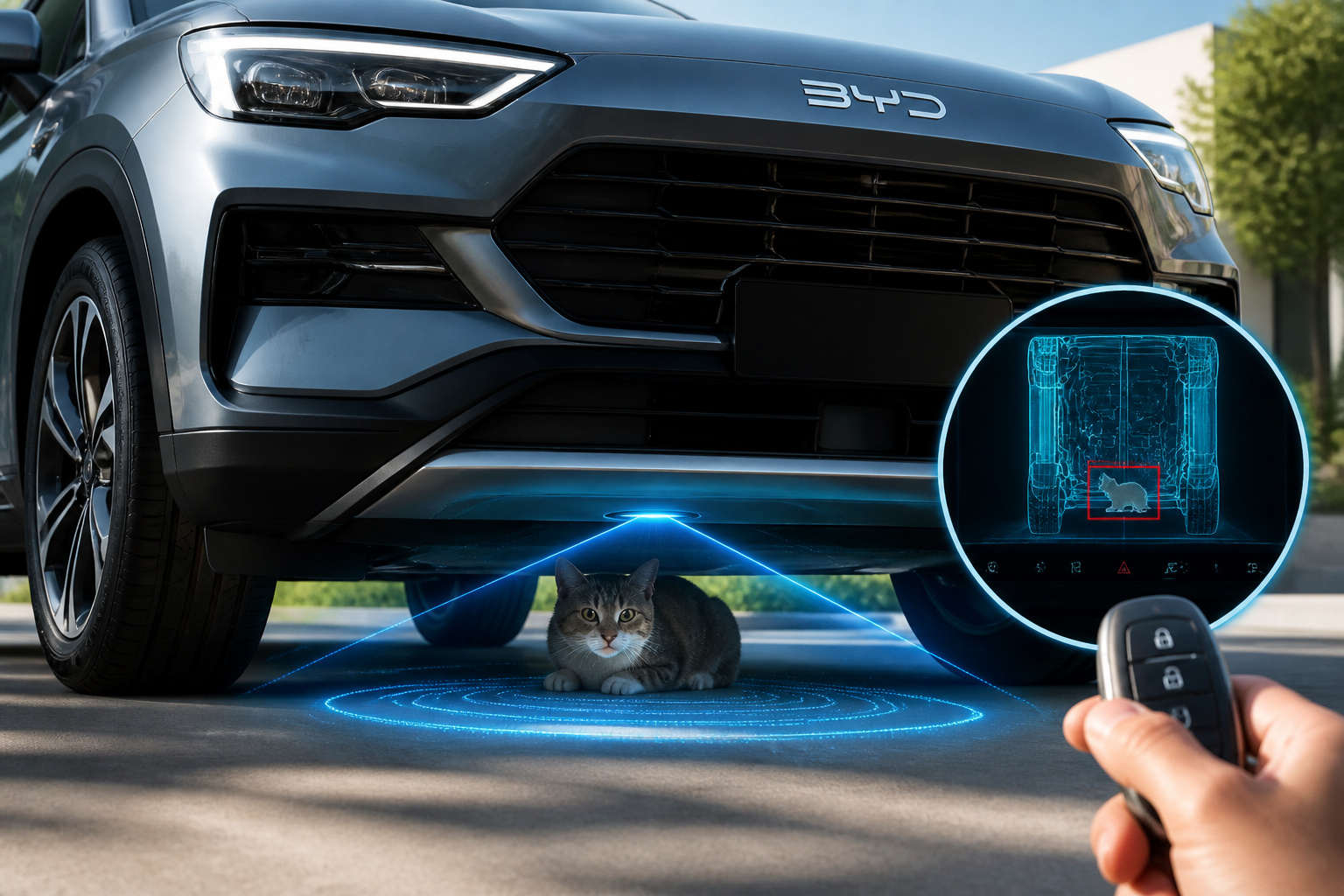
BYD Patents Revolutionary System Using Computer Vision to Detect Animals Under Cars Before Starting, Preventing Tragedies

-
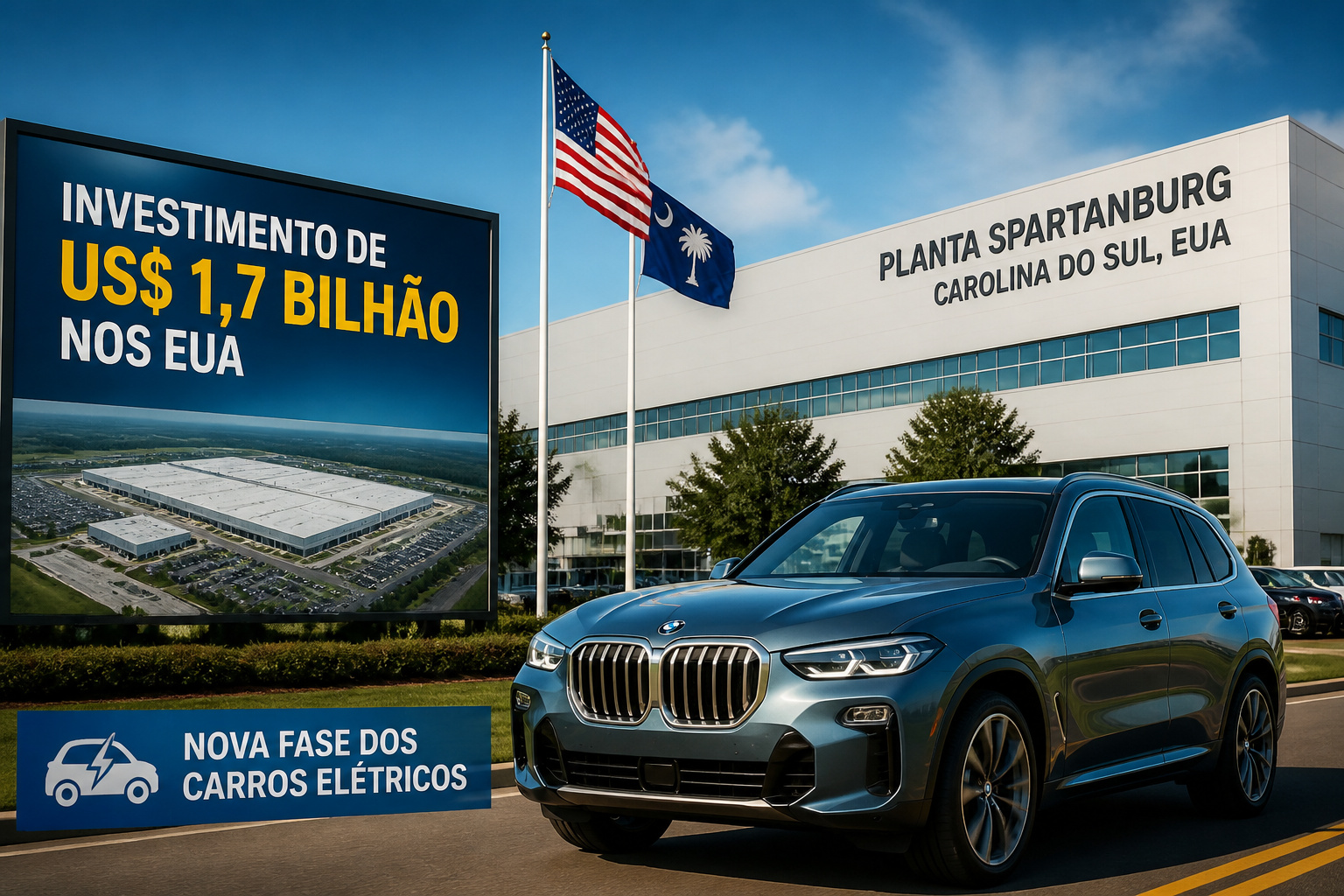
BMW Completes $1.7 Billion Investment in the U.S. for Electric Vehicle Production, Positions South Carolina for New Generation as Rivals Reassess EV Race
Consequently, this volume represents **16.2% of participation in total light vehicle sales in the country**. In other words, this means that **one in every six cars sold in Brazil is already electrified**, a fact that reinforces the rapid change in scale of this market.
Furthermore, the breakdown by technology reveals how the sector is currently structured:
- BEV (100% electric): 17,488 units (45.4%)
- PHEV (plug-in hybrids): 13,214 units (34.3%)
- HEV Flex: 4,096 units (10.6%)
- HEV: 3,718 units (9.7%)
In this context, the predominance of plug-in models, i.e., those that can be recharged at an outlet, stands out. Summing BEVs and PHEVs, they represent **80% of all electrified vehicles sold in April**, which demonstrates the growing preference for vehicles with external charging.
Brands gain ground and electrification ceases to be a niche in Brazil
On the other hand, the advance of electric cars also begins to directly impact the country’s sales ranking. In April, for example, the **BYD Dolphin Mini** reached **6th place in the general registration ranking**, while the **Geely EX2** entered among the best-selling vehicles in national retail.
This makes it clear that electric vehicles no longer occupy a marginal position in the market. On the contrary, they are now directly competing for space with traditional combustion-powered models.
Furthermore, the growth of plug-in hybrids reinforces this trend. In April, **PHEVs registered 13,214 units sold**, which represents an increase of **67% compared to the same period last year**. Conventional and flex hybrids, together, totaled **7,814 units** in the month.
Brazilian market moves towards 300,000 electrified vehicles in 2025
Meanwhile, the accumulated data for the year shows an even more impressive scenario. In the first four months alone, Brazil has already registered **122,463 electrified vehicles sold**, which corresponds to **more than half of the entire volume registered throughout 2025**.
Thus, expectations are growing that the country could reach the mark of **300,000 electrified vehicles sold by the end of the year**, definitively consolidating electrification as one of the main trends in the national automotive sector.
Therefore, April’s numbers do not represent just an isolated record. In fact, they indicate a structural change in the market. If electric cars previously operated in reduced volumes, they are now beginning to directly compete for space at the heart of the Brazilian automotive industry.
Do you believe electric cars will replace combustion vehicles in Brazil in the coming years, or is there still resistance in the market?