






 Portuguese
  Spanish


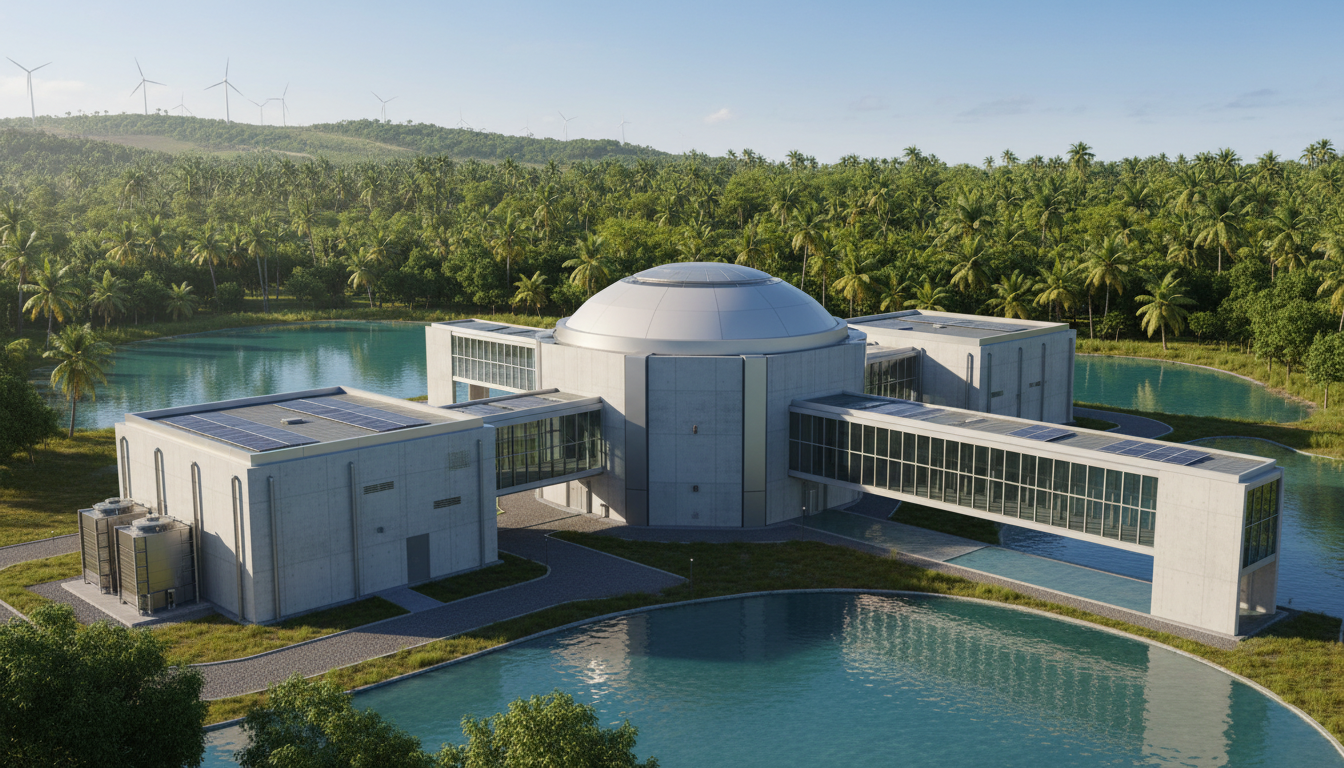
China has just switched on the world’s first commercial mini-nuclear reactor — it’s only 14 meters tall, fits inside a 4-story building, generates energy for 526,000 homes, and avoids 880,000 tons of CO₂ per year
While the world debates whether nuclear energy has a future, China has already switched on its own. The Linglong One, also known as ACP100, entered commercial operation in the first half of 2026 on Hainan Island, in southern China. It is the world’s first small modular nuclear reactor (SMR) to operate commercially.
Developed by the China National Nuclear Corporation (CNNC), the reactor is only 14 meters tall and 4 meters in diameter — dimensions that would fit inside a 4-story building.
Even so, it produces 1 billion kilowatt-hours of electricity per year. Enough energy to power 526,000 homes in Hainan province.
-
Brazilian scientists are simultaneously advancing two research projects on clean hydrogen and driving solutions that could transform the energy matrix, enhance industrial competitiveness, and accelerate large-scale emission reduction targets.

-
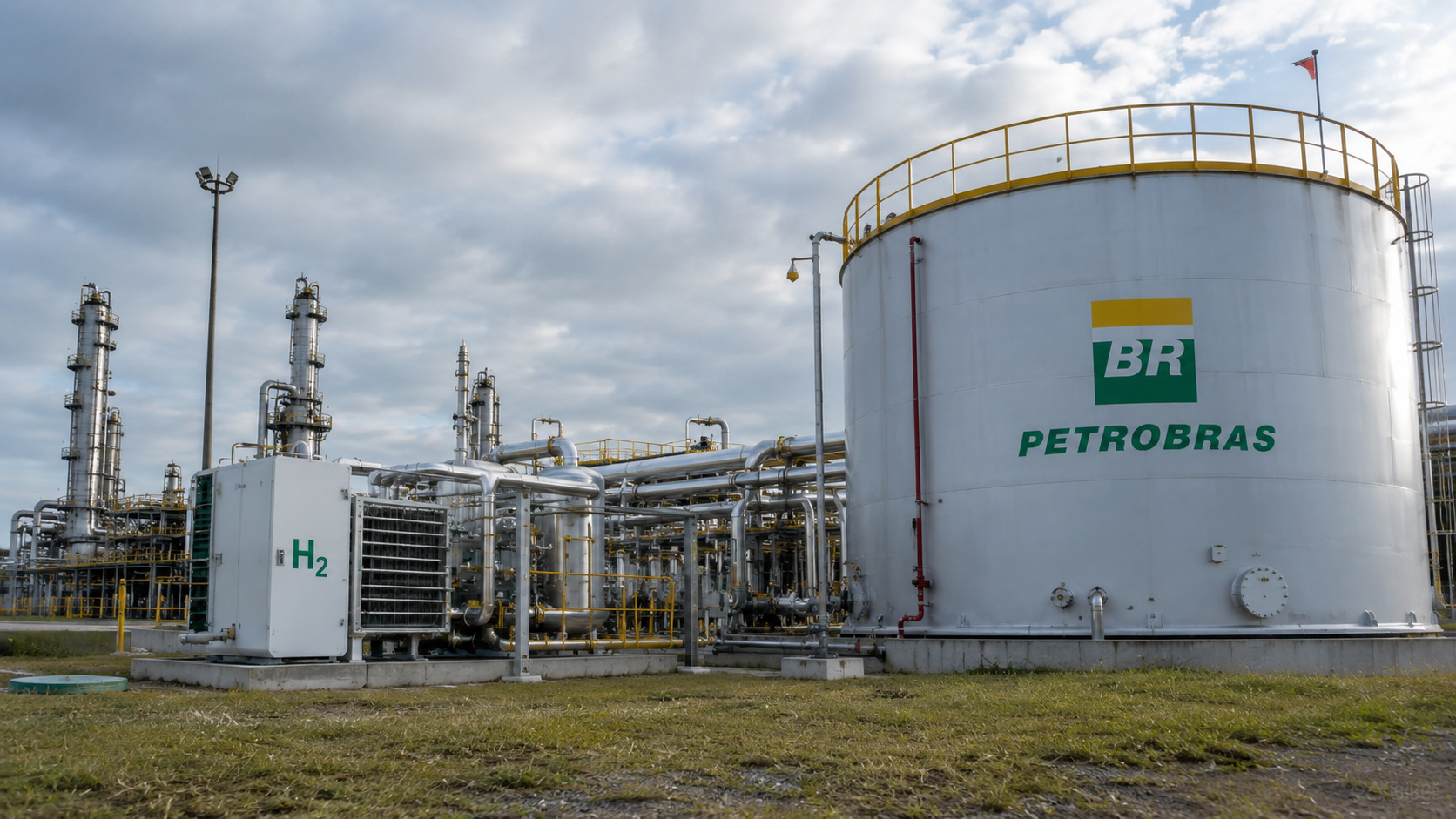
Advancement in renewable energy: A R$ 150 million project launched by Petrobras and Finep aims to create state-of-the-art electrolyzers for green hydrogen, strengthening national research and preparing Brazil to compete in a billion-dollar energy market.
-
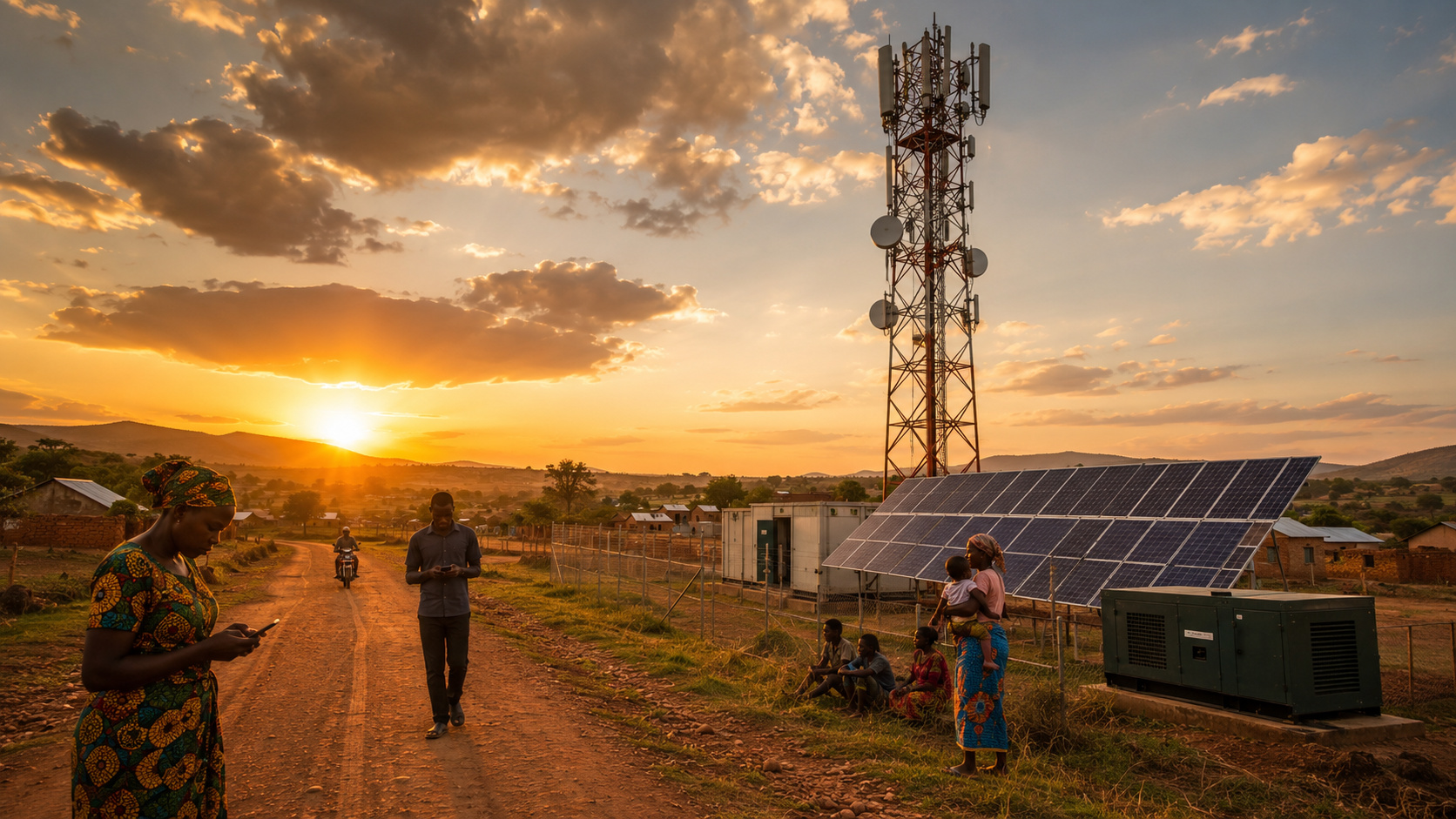
Illiterate or semi-literate grandmothers were trained to repair solar systems, open rural workshops, and light up homes that still depended on kerosene.
-
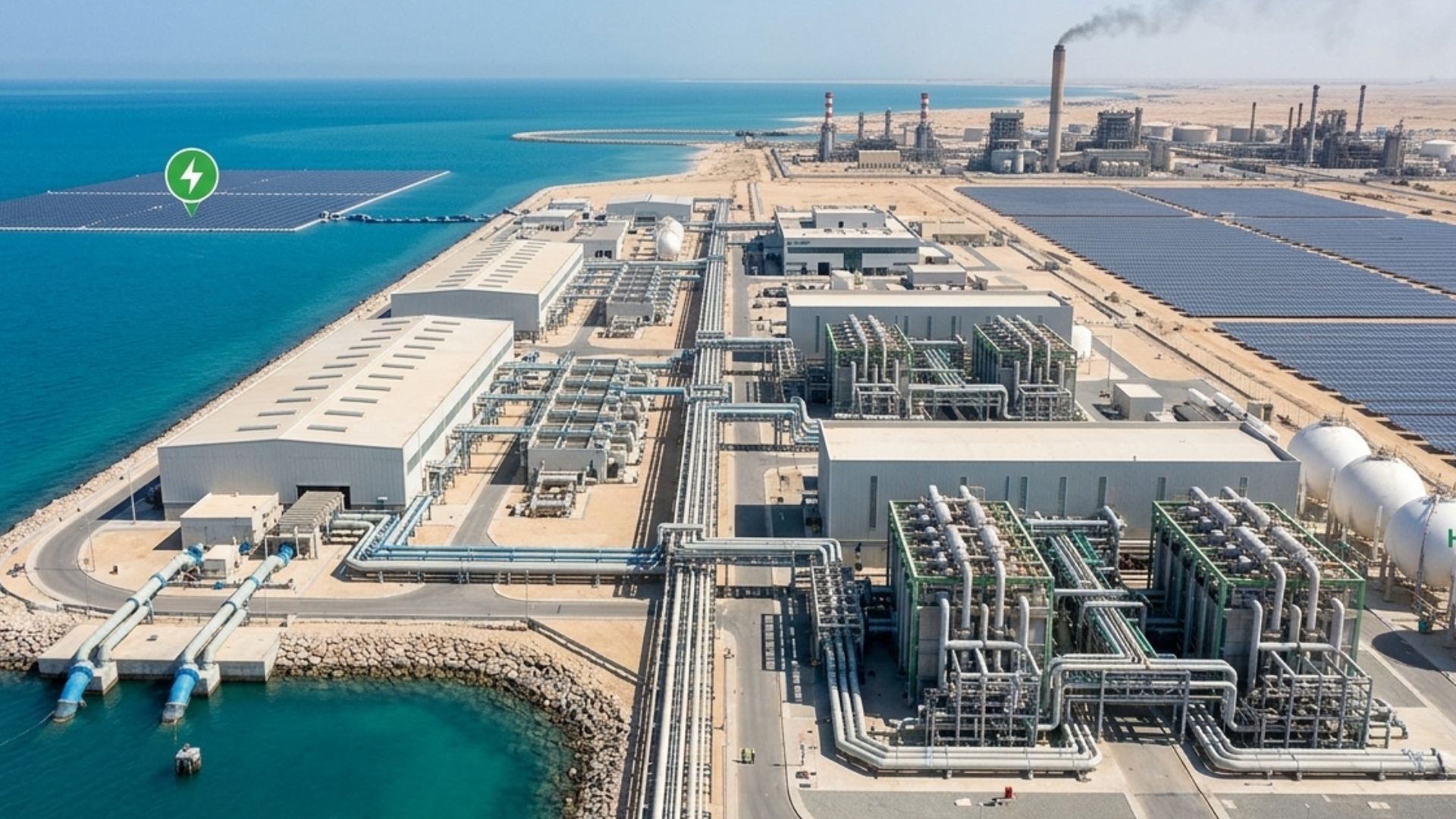
The world has bet on green hydrogen as the fuel of the future, but now faces the side effect: producing 1 kilogram requires about 9 liters of ultrapure water, and the largest projects on the planet are precisely in the driest regions of the Earth, where water is already scarce for people.



What is the Linglong One and why is it different from a conventional reactor
Traditional nuclear reactors are giants. A plant like Angra 2, in Brazil, has a reactor with a capacity of over 1,000 megawatts and occupies an enormous area.
The Linglong One generates 125 electrical megawatts. It’s much smaller — but that’s exactly the idea.
The concept of a small modular reactor starts from a simple premise: instead of building one giant, build several small ones.
If a region needs more energy, just add more units. Ten Linglong Ones together produce 1.2 gigawatts — equivalent to a large-scale nuclear power plant.
The advantages are multiple:
- Faster construction than traditional reactors
- Lower initial cost per unit (US$ 1.8 to 2 billion each)
- Can be installed in remote regions or islands
- Passive safety systems that do not depend on human action
- Projected lifespan of 60 years

The reactor that shuts down automatically in an emergency
One of the main arguments against nuclear energy is the risk of accidents like Fukushima, in 2011.
The Linglong One was specifically designed to eliminate this type of scenario.
Its safety systems are passive — they use natural forces like gravity and convection to cool the reactor in case of failure, without the need for electric pumps or human intervention.
The reactor is partially buried in the ground, which reduces exposure to external events. And automated digital instrumentation minimizes human errors.
In 2016, the ACP100 became the world’s first SMR to pass the safety review of the International Atomic Energy Agency, the IAEA.
The fuel is uranium dioxide enriched to less than 5%, refueled every 2 to 3 years.
From 2010 to the first kilowatt: 16 years of development
The development of the ACP100 began in 2010. The preliminary design was completed in 2014.
Construction at the Changjiang Nuclear Power Plant, in Hainan, officially began in July 2021. The planned period was 58 months.
In October 2025, the functional tests of the primary circuit in cold state were completed. In December 2025, the turbine generator completed its steam start-up test.
The Changjiang plant already houses two conventional reactors in operation and two Hualong One reactors under construction, in addition to the Linglong One.

880,000 tons less CO₂ per year — the equivalent of 7.5 million trees
Each year of Linglong One operation avoids the emission of approximately 880,000 tons of carbon dioxide.
To put it in perspective, this is equivalent to the effect of planting 7.5 million trees per year.
On a tropical island like Hainan, where tourism and environmental preservation are priorities, a compact reactor that emits no greenhouse gases has special appeal.
In addition to generating electricity, the ACP100 was designed for other applications: district heating, seawater desalination, and heat supply for industrial processes.
On an island like Hainan, desalination can be as important as electricity. With a reactor that operates 24 hours a day, without depending on sun or wind, the production of potable water from the sea becomes continuous and predictable.
China took the lead — but the US and UK are in line
By putting the Linglong One into commercial operation, China has overtaken competitors who have been working on similar projects for years.
CNNC now leads the global SMR race.
In the United States, NuScale Power developed the first SMR approved by the American regulatory authority, but faced project cancellations due to high costs.
In the United Kingdom, Rolls-Royce is working on a 470-megawatt SMR, but has not yet started construction.
In Canada, Ontario Power Generation applied in March 2026 for a license to operate North America’s first SMR, at the Darlington plant.
For now, the Linglong One is the only commercial SMR operating in the world.

What the first modular reactor changes in the future of energy
If the Linglong One proves that SMRs can operate safely, efficiently, and at a competitive cost over the next few years, the impact will be enormous.
Dozens of countries that cannot afford large-scale nuclear power plants could adopt modular reactors as a complement to renewable sources.
Islands, remote regions, and developing countries would have access to clean, stable energy that does not depend on sun or wind.
The weight of the Linglong One — 300 metric tons — is a fraction of that of a conventional reactor. It can be factory-manufactured and transported to the installation site, like an industrial module.
However, challenges remain. The cost of US$ 1.8 to 2 billion per unit is still high for many countries. Public acceptance of nuclear energy varies enormously across cultures. And radioactive waste management, even on a smaller scale, remains a problem without a definitive solution.
Still, China did what no one had done before: it put a mini-nuclear reactor into commercial operation. And this could change how the world generates energy over the next 60 years — which, coincidentally, is exactly how long the Linglong One was designed to last.
If a 14-meter-tall reactor can power 526,000 homes, why doesn’t Brazil — with 8,500 km of coastline and abundant sun — yet consider modular reactors as a complement to its energy matrix?








Be the first to react!