Portuguese
  Spanish


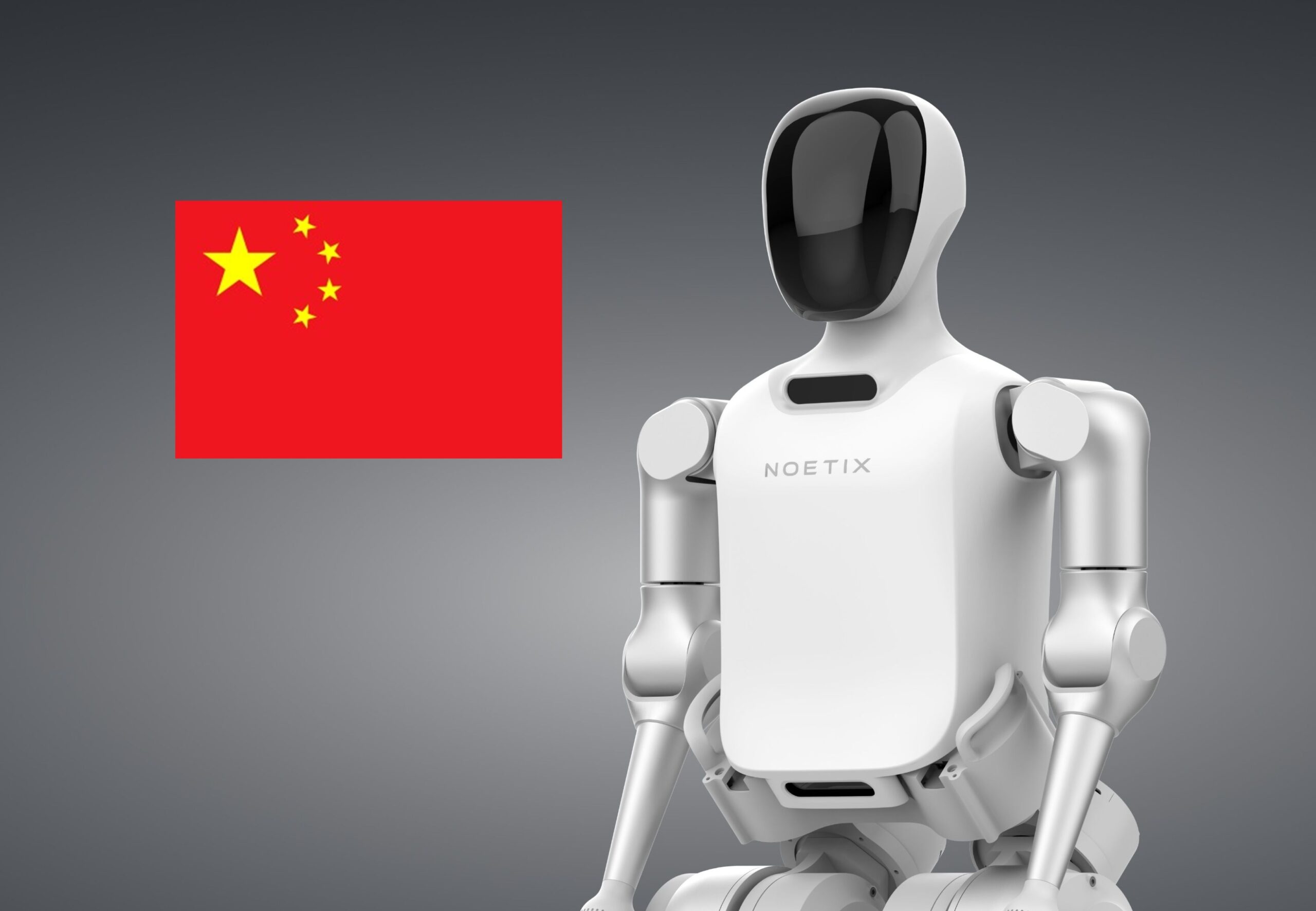


With only 94 centimeters in height and weighing 12 kilograms, the Bumi robot, created by the Chinese startup Noetix Robotics, costs US$ 1,370 and promises to democratize access to humanoid robotics, bringing technology to schools and homes.
In an initiative that promises to redefine accessibility in robotics, the Chinese startup Noetix Robotics introduced the Bumi — a compact humanoid robot that costs only ¥ 9,998, equivalent to about US$ 1,370.
The novelty, revealed in Beijing, puts the country at the forefront of a technological race that seeks to bring humanoids into homes and schools.
The development of the Bumi, reported by TechNode and Global Times, marks a turning point in the sector. Unlike high-performance, full-size models such as those from Unitree or UBTECH, the Bumi inaugurates a new category: that of smaller, lighter robots aimed at the educational and domestic market.
-
Berries, Strawberries, and Blueberries Could Transform Agriculture in Northeastern Brazil, New Tests Reveal

-
Danish Resident Discovers Six Viking Gold Bracelets Weighing 762.5 Grams, Third Largest Gold Treasure in Denmark

-
Over 200 Cities in Southern Brazil on Storm Alert as Cyclone Near Uruguay Brings Heavy Rain, Hail, and Winds Up to 100 km/h

-
Archaeologists Discover 2,300-Year-Old Beer in Sealed Bronze Vessel from Ancient Chinese Tomb




With 94 centimeters in height and 12 kilograms, the robot demonstrates in videos the ability to walk, balance, and even dance with surprising stability for its price range.
New Milestone in Humanoid Accessibility
According to Global Times, Noetix defines the Bumi as the “first consumer humanoid robot in the industry priced below ¥ 10,000.”
The company’s goal is to transform expensive humanoid robots from prototypes into affordable and useful products for everyday life.
This accessibility results from a combination of factors: lightweight composite materials, an internal motion control system, and a simplified modular design. Instead of prioritizing strength or industrial capability, the focus is on interactive learning and technological education.
The company’s track record reinforces its ambition. Its previous model, the Noetix N2, received over 2,500 orders and even participated in a humanoid robot half marathon earlier this year. The success established Noetix as one of the fastest-growing robotics startups in China.
In July, Unitree launched a full-size humanoid robot for around US$ 6,000 — considered the cheapest in the category until then. Now, with the Bumi, Noetix brings the entry barrier down to less than a quarter of that amount. Equipped with a 48 V battery and a capacity greater than 3.5 Ah, the robot can operate for one to two hours per charge.
Robotics and Automation News highlighted that the Bumi offers a “drag-and-drop” graphical programming interface aimed at beginners and kids.
The model also responds to voice commands, functioning both as a learning companion and personal assistant.
Compact Form, Ambitious Goals
Founded in September 2023 by researchers from Tsinghua and Zhejiang universities, Noetix Robotics has evolved rapidly.
In less than two years, it moved from academic research to creating a bipedal robot aimed at the mass market.
The differentiator is the price. In China, humanoid robots capable of walking autonomously and performing dynamic movements generally cost tens of thousands of dollars.
The Bumi, for less than US$ 1,400, falls into a price range comparable to premium smartphones, advanced drones, or high-end laptops.
The contrast with Western models is striking. Humanoids like Tesla’s Optimus, models from Figure, and Apollo from Apptronik cost two to three times more.
Meanwhile, Boston Dynamics’ Atlas surpasses millions of dollars. The Bumi, therefore, positions itself as a landmark in democratization within robotics.
RoboHub released a video showing the robot walking and dancing. Although still limited compared to large industrial humanoids, the Bumi demonstrates remarkable fluidity and balance for its category, reinforcing the potential of its simplified technology.
The Expanding Humanoid Ecosystem in China
The launch of the Bumi occurs amid intense innovation in the field of Chinese humanoid robotics.
Just a day prior, Unitree unveiled the H2 — a robot 1.8 meters tall with 31 degrees of freedom. Meanwhile, UBTECH and the Beijing Humanoid Robotics Innovation Center showcased the Tiangong Walker, aimed at research and educational applications.
In this competitive landscape, the Bumi represents a link between cutting-edge robotics and popularization among everyday consumers.
By combining affordable cost, intuitive interaction, and educational orientation, Noetix’s small robot reinforces China’s ambition to make humanoids an integral part of daily life.