Portuguese
  Spanish


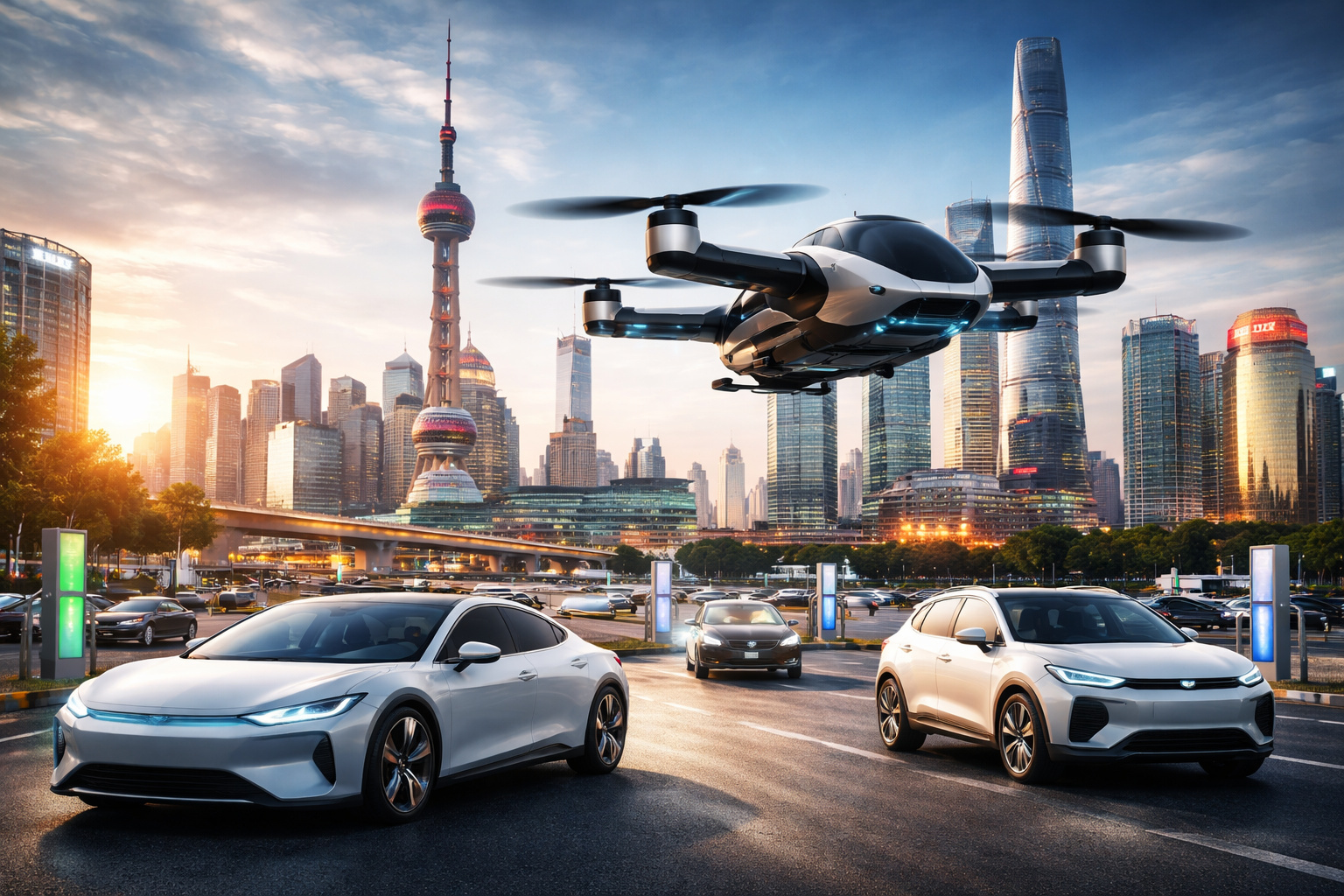


In Few Decades, The Country Transformed Scarcity Into Strategy, Integrated State and Industry and Is Now Testing Flying Cars While Competing with The United States and Brazil
When Brasília was beginning to take shape in the 1960s, Brazil already had around one million cars circulating on its planned avenues. At the same time, on the other side of the world, China had only one car available for official use by the Communist Party during Mao Zedong’s government. It was a different reality. The country was facing widespread famine, and the state bicycle “Pigeon-Flying” was the ultimate status symbol. To buy it, one needed authorization from the factory head, government approval, and years of waiting.
The transformation began slowly in the 1990s, with economic opening. In 1997, General Motors signed an agreement to produce vehicles in China, in partnership with the government, which would retain half of the operation. Every detail was negotiated, from the model to the finish. The factory was built at an accelerated pace. There, the first models produced on a large scale emerged, still expensive for most of the population. But at the same time, the country was beginning to train engineers, designers, and industrial managers. China was absorbing technology like a sponge.
The decision that would change the course of the industry came in the 2000s. In 2003, the government expanded the population’s access to automobiles. Shortly after, it made a strategic choice: to prioritize electric motors instead of internal combustion. The justification was clear. The country does not possess enough oil to sustain its own fleet. Investing in electrification became a matter of energy sovereignty.
-
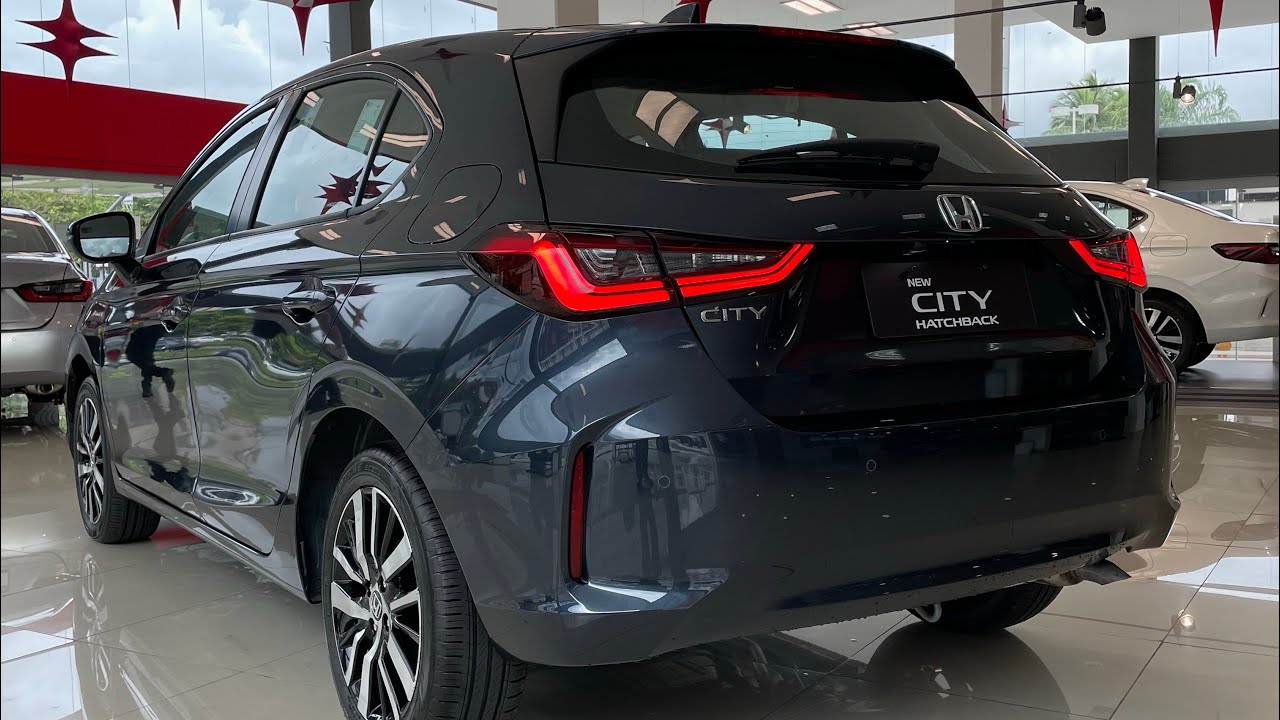
Hilux’s little sister: Toyota relaunches the Land Cruiser 70 in the 2027 lineup with over 40 years of production, a 2.8 turbo diesel engine with 201 hp and 51 kgfm, a six-speed automatic transmission, and a renewed retro look.

-
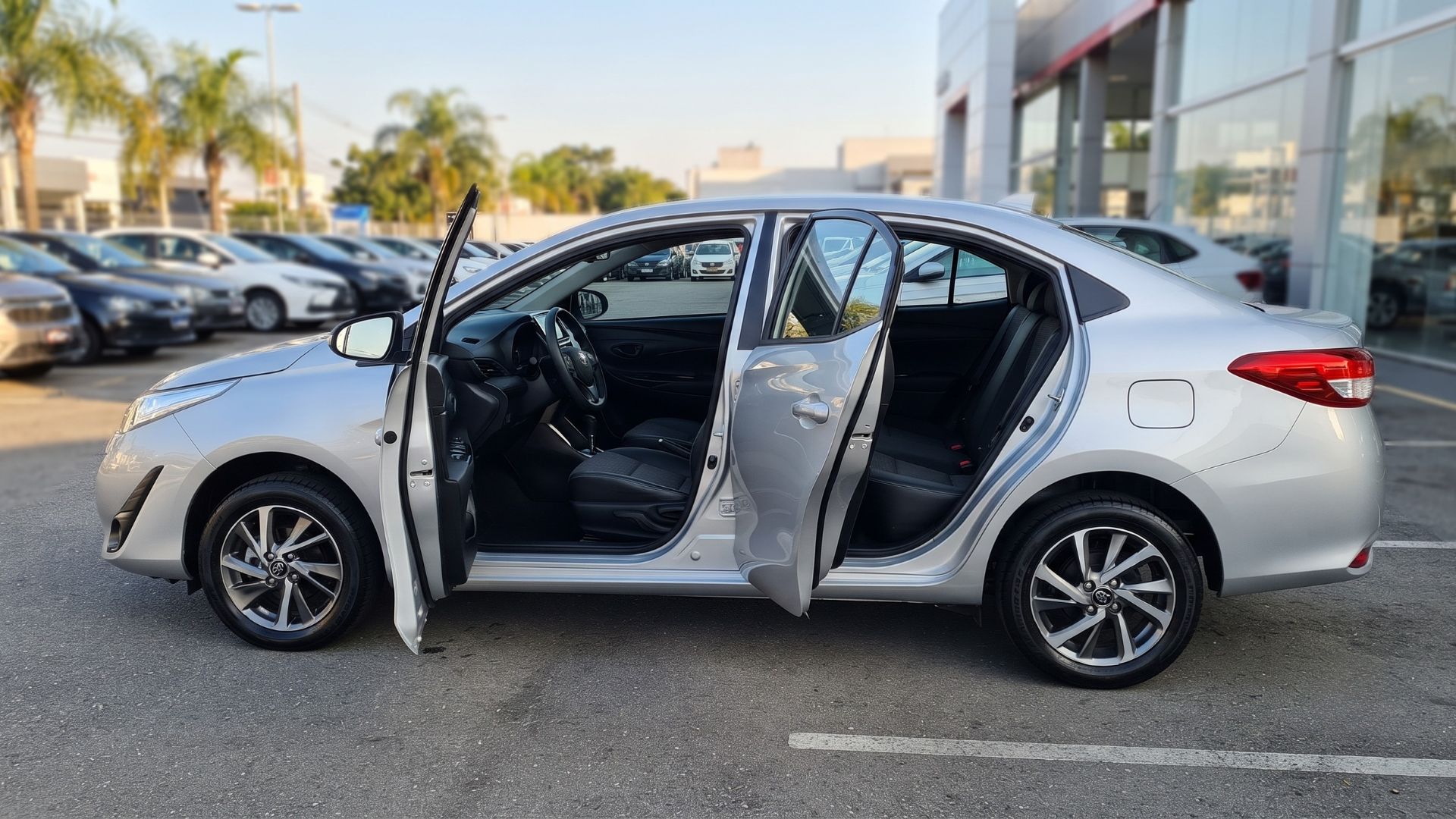
Automatic, economical, and known for reliability: with a 1.5 engine of up to 110 hp, CVT transmission, seven airbags, and fuel consumption of up to 15.9 km/l, this used hatchback appears as a rational alternative to Polo, HB20, and Onix; meet the Toyota Yaris XLS 2020.
-
He surpassed the Tera, Creta, and Tracker: With a TSI engine of up to 150 hp, 6-speed automatic transmission, and a 373-liter trunk, the Volkswagen T-Cross was the best-selling SUV in June, with 11,753 registrations.

-
It looks factory-made, but it came out of a workshop: a mechanic from Pernambuco builds a handcrafted “mini Toyota,” drives it through the streets, and the video goes viral on social media, leaving residents astonished.



Massive Infrastructure and Leadership in Batteries
The bet was not just talk. China built a robust infrastructure to support the advancement of electric vehicles. Today, it has about 3.5 million public chargers. Adding residential ones, the number exceeds 11 million. By comparison, the United States has approximately 196 thousand points, and Brazil, around 12 thousand. At the same time, the country expanded hydroelectric plants and integrated the production chain, from metal extraction to chip, battery, and motor manufacturing.
This integrated model reduced costs and accelerated innovation. Industry executives claim that Chinese automakers file around 45 patents per day. In the past year, of the 30 million vehicles sold in the country, more than half were electrified. Currently, China produces three times more cars than the United States.


Autonomous on The Streets and Flying Cars on The Horizon
In cities like Wuhan, 600 modern autonomous taxis were recently approved as part of urban revitalization projects after the pandemic. The estimated production cost is around 27 thousand dollars per unit, a significantly lower value than the approximately 200 thousand dollars for similar models in the United States.
But the ambition does not stop at the asphalt. Chinese companies are already developing flying cars, some with foldable propellers integrated into the vehicle’s structure. In Guangzhou, a company received official permission for experimental operation. The disclosed plan predicts that, by 2030, 100 thousand units will be operating in the country. The long-term projection points to expansion until 2050.
Tariffs, Rare Earths, and The Global Dispute
The Chinese advancement provoked an international reaction. During Donald Trump’s first term, tariffs of up to 250% were imposed on Chinese cars. Subsequently, the tariff escalation reached 145% on imported products. In response, China restricted exports of neodymium, a metal essential for magnets used in electric motors.
China holds the world’s largest reserve and dominates the processing technology of these so-called rare earths. Without these magnets, electric motors do not function. The measure pressured foreign automakers and increased trade tension.
With the American market restricted, Chinese manufacturers are intensifying their presence in other destinations, including Brazil, considered strategic for global expansion. While tariffs raise barriers, the Chinese strategy combines state planning, technological innovation, and industrial scale.
From the only official car to the goal of 100 thousand flying vehicles in five years, the trajectory reveals a profound transformation. The question that remains is: how far will this strategy take China in the race for the mobility of the future?