






 Portuguese
  Spanish


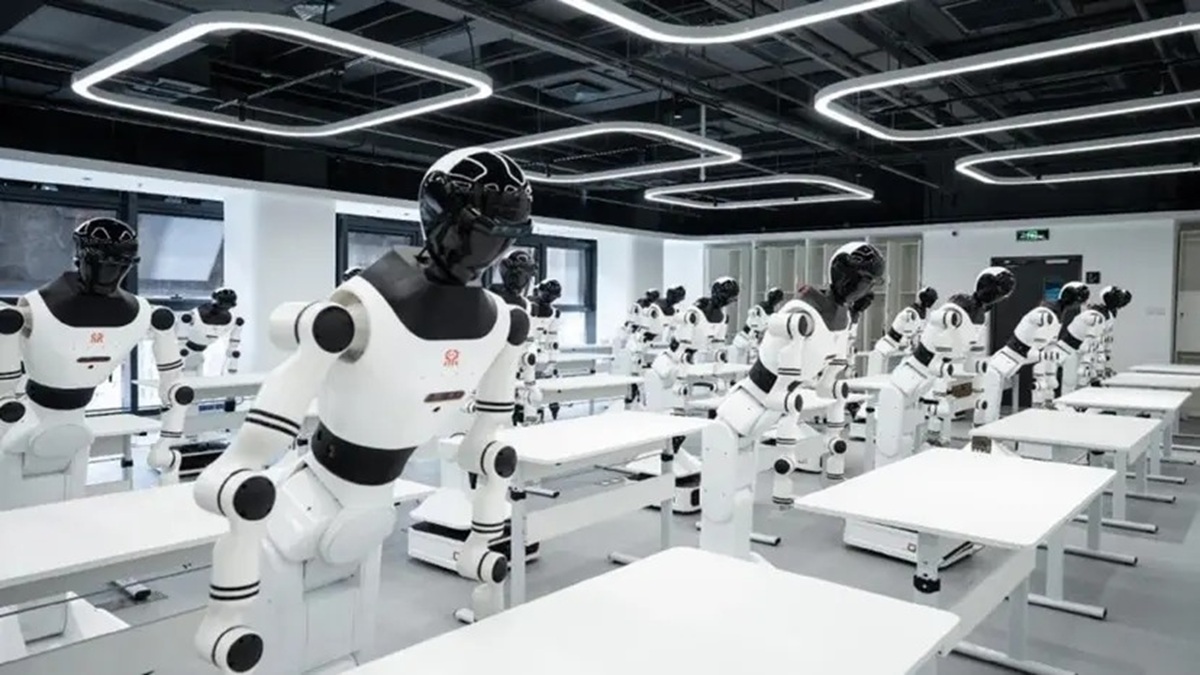


The New Facility Located in the Shijingshan District Focuses on Mass Data Collection for Artificial Intelligence, Utilizing Human Instructors to Teach Complex Tasks to the Kuafu Robot, with the Strategic Goal of Overcoming the Shortage of Standardized Information and Ensuring Operational Efficiency in Industrial and Domestic Environments.
Phase II of the Beijing Humanoid Robot Data Training Center was inaugurated in the Shijingshan District to prepare machines for factory and household tasks, aiming to address the shortage of standardized data.
Structure and Objectives of the New Center in Shijingshan
The facility occupies two floors and recreates real production lines and living environments. The space allows humanoids to practice activities that mirror industrial and domestic settings, such as sorting coils.
Each training area is modular and frequently reconfigured by the instructors. This flexibility allows for quick adaptation of scenarios to meet different operational needs within the facility located in the Shijingshan District.
-
Hurricane Katrina: Engineering Failures by U.S. Army Corps Led to 80% of New Orleans Flooding

-
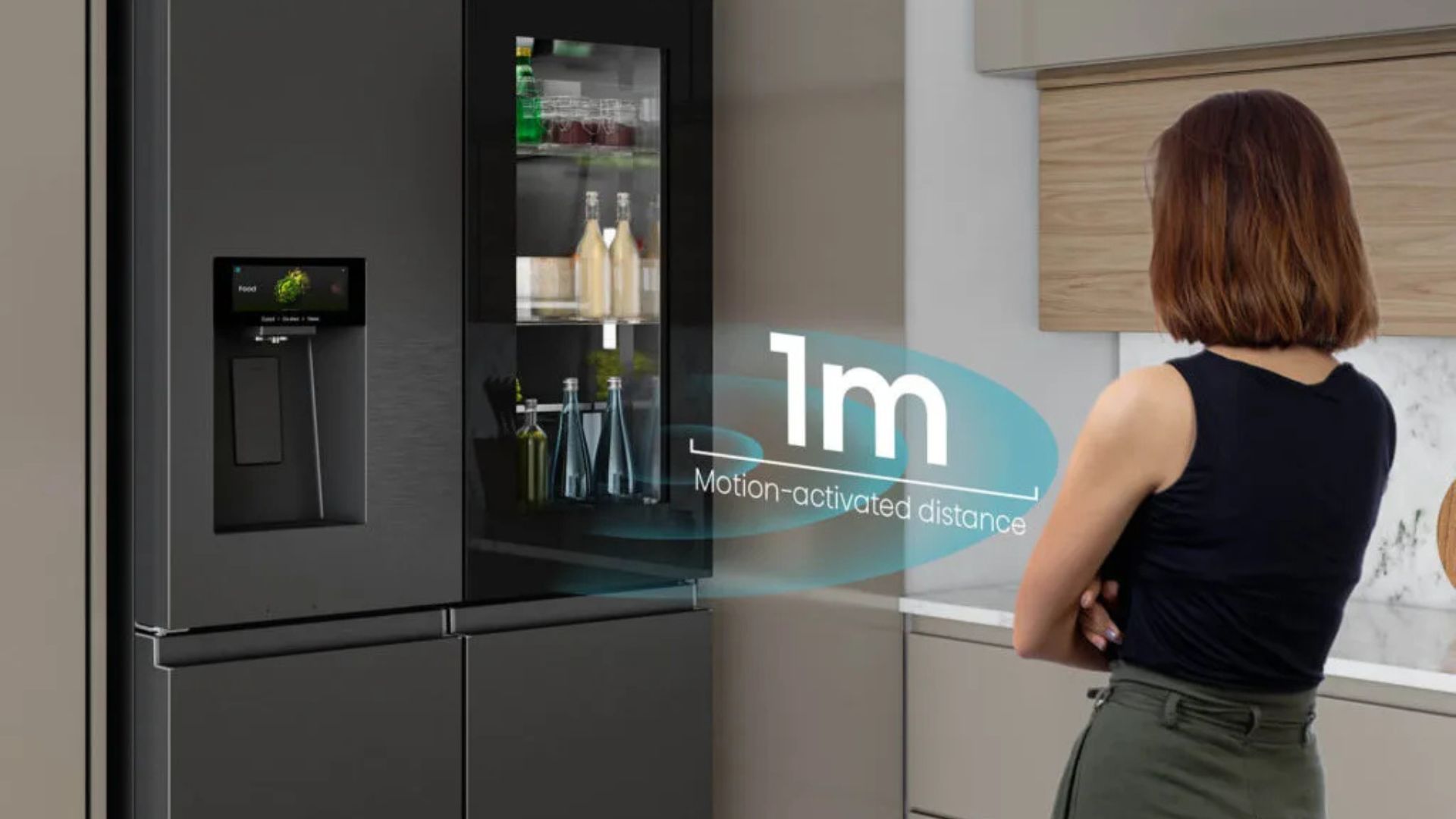
Hisense Unveils 615-Liter PureView Fridge with Transparent Door, Smart Display, Voice Control, and UV Purification to Compete with LG and Samsung

-
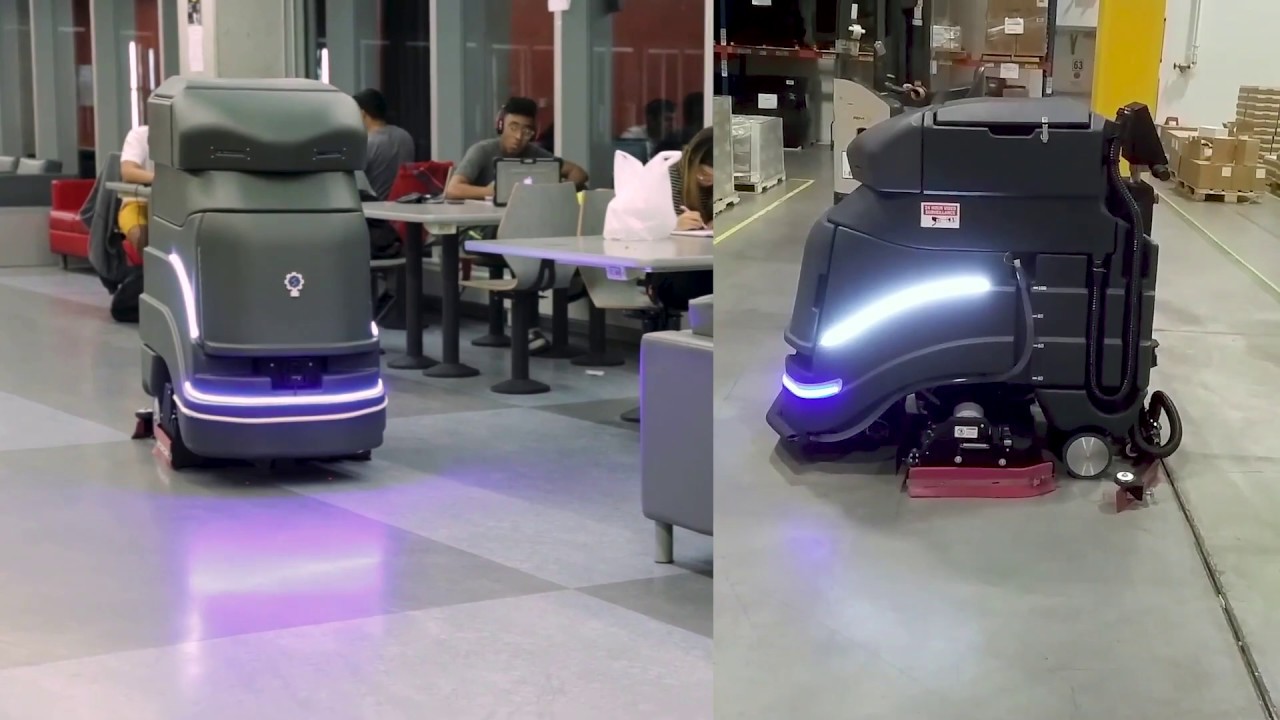
Are Cleaning Staff in Large Buildings Becoming Obsolete? Autonomous Robots Now Clean Airports, Hospitals, and Shopping Centers for Hours, as Companies Invest in Automating Repetitive Tasks

-
Xiaomi Launches Compact Photo Printer with Bluetooth, Extra Black Ink, and Augmented Reality Photo Printing


The initiative addresses a major bottleneck in the sector regarding the shortage of standardized data . Without this volume of information, humanoids struggle to effectively generalize skills across different environments.
The Kuafu Robot and the Teaching Methodology
The training revolves around the Kuafu, a 1.65-meter humanoid robot created by Leju Robotics. This model was introduced as the world’s first to utilize advanced 5G-A technology.
Zhu Kai, head of the center, explains that each robot is accompanied by two human trainers. They require extensive training in various scenarios to develop functional intelligence, similar to children learning to walk.
The facility is expected to produce several million high-quality data entries per year. It is also linked to similar training centers in cities such as Suzhou, Jinan, Hefei, and Zhengzhou.
Details of the Repetition and Monitoring Process
The training requires considerable time and precision from the involved team. In a smart home setting, two instructors worked side by side to teach a robot to perform protective packaging with care.
One instructor remotely guides the robot to place bubble wrap in a box. Meanwhile, the other professional monitors and records performance data strictly on a computer terminal to ensure accuracy.
The instructors take turns every two hours to ensure precision and consistency. Certain tasks require massive repetition, such as teaching a robot to place a frying pan on the stove, involving 1,250 attempts.
Categories of Skills and Current Practical Applications
The robots select a primary area among four broad categories, including industrial manufacturing and elderly assistance. These skills are subdivided into 16 specialized disciplines to effectively cover specific operational needs.
The trained units have acquired over 20 operational skills so far, such as material handling. The success rates for these tasks currently exceed 95%, demonstrating the effectiveness of the rigorous methodology applied.
Several trained units have already been deployed in real functions outside the center. Some are used for material handling in factories of the China FAW Group automotive manufacturer, optimizing internal logistics.
Other units serve as messengers at Shenzhen Capital Group or assist with energy inspections. The center currently employs 110 staff, most born in the 2000s, to support these operations.








Outra característica que provavelmente eles pesquisam é a transferência de máquina para máquina, assim o que já está assimilado é replicado em série gerando um processo de aprendizado contínuo.