Portuguese
  Spanish


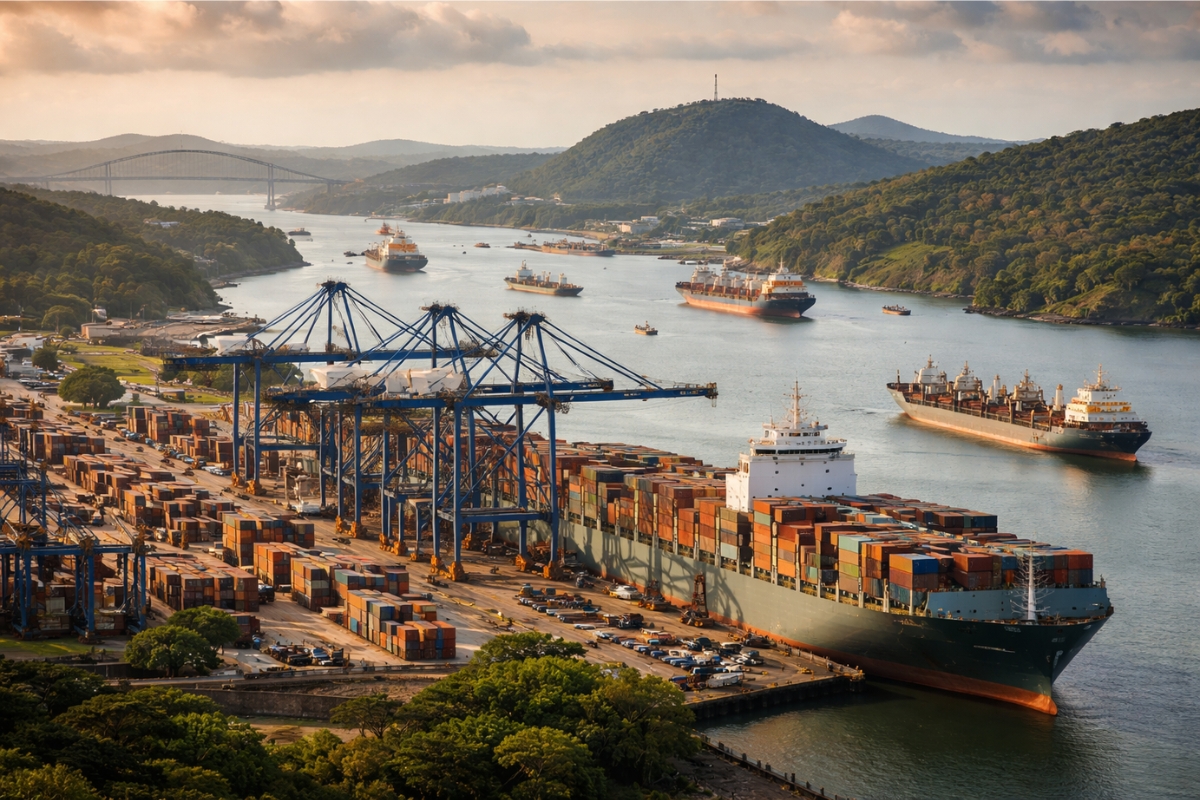


Last-Minute Decision Removes Hong Kong Conglomerate from Control of Two Ports in the Panama Canal, Mobilizing Maersk and MSC for Provisional Operation and Rekindling Rivalry Between Beijing and Washington
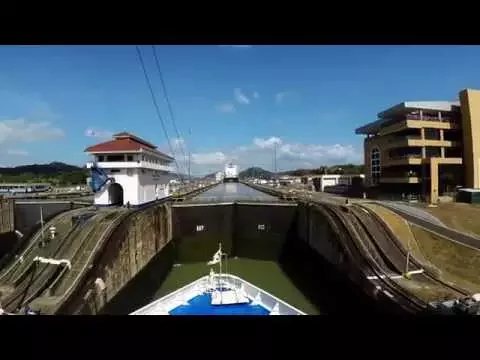
A decision by the Panamanian government has changed the balance of power in one of the world’s most important trade routes. President José Raúl Mulino ordered the temporary occupation of two ports managed by the Hong Kong conglomerate CK Hutchison Holdings after a higher court annulled the company’s concession. The measure rekindles geopolitical tensions and places the Panama Canal back at the center of the dispute between the United States and China.
The decision directly affects the Balboa and Cristóbal terminals, considered key pieces for the flow of goods between the Atlantic and Pacific Oceans. The Panamanian government stated that the administration will temporarily pass to national authorities to ensure the continuity of operations without interruptions.
Judicial Decision Changes Port Scenario
The government’s move comes after a court ruling declared invalid the concession previously granted to the subsidiary Panama Ports Company, linked to CK Hutchison. According to the authorities, the occupation includes mobile equipment and operational infrastructure, but does not represent, at least for now, definitive expropriation of the assets.
-
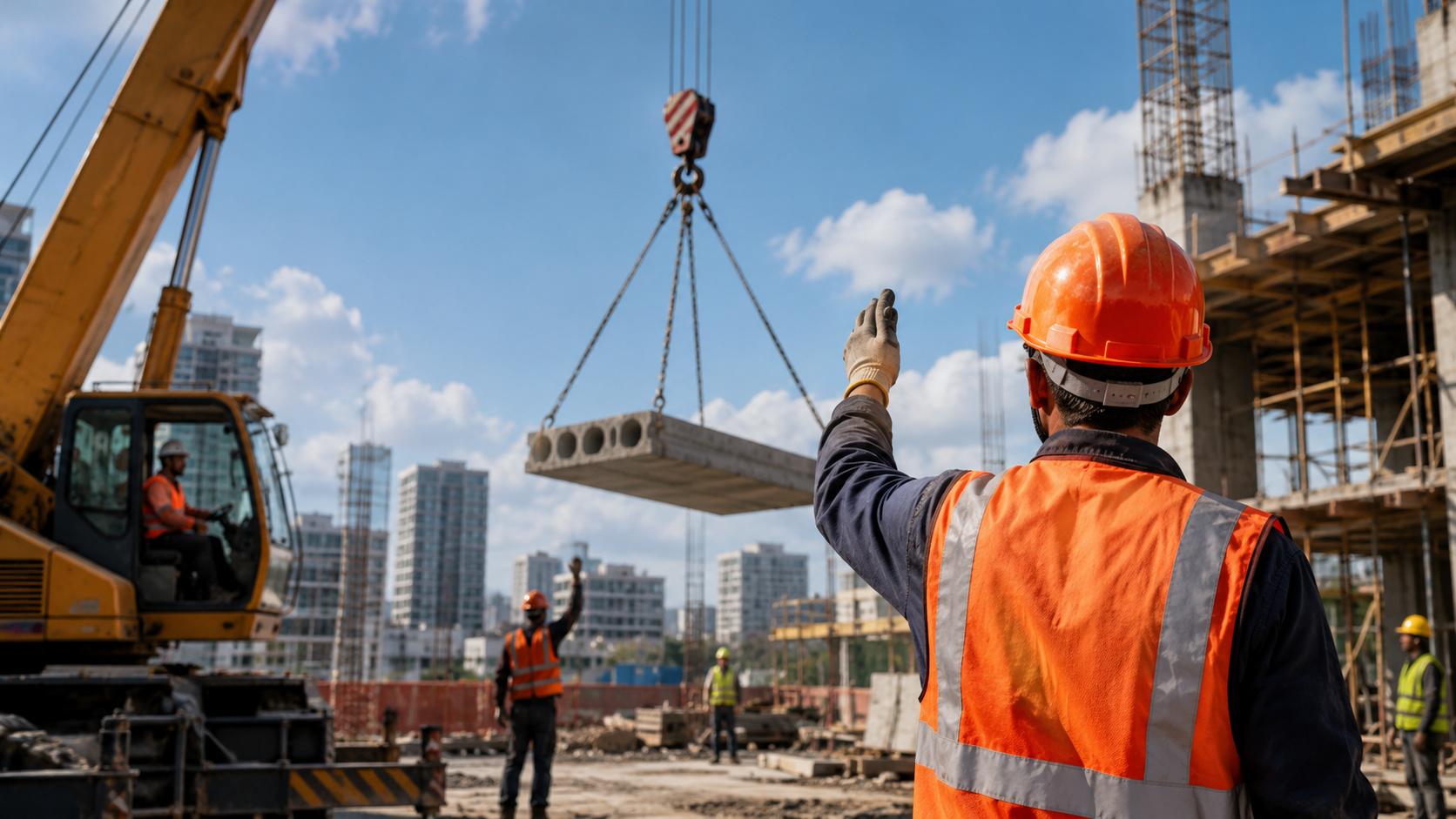
Why can the crane operator only obey the correct signalman on the construction site: among dozens of workers, a hand raised by the wrong person can confuse the maneuver and turn a load of tons into an immediate risk.

-
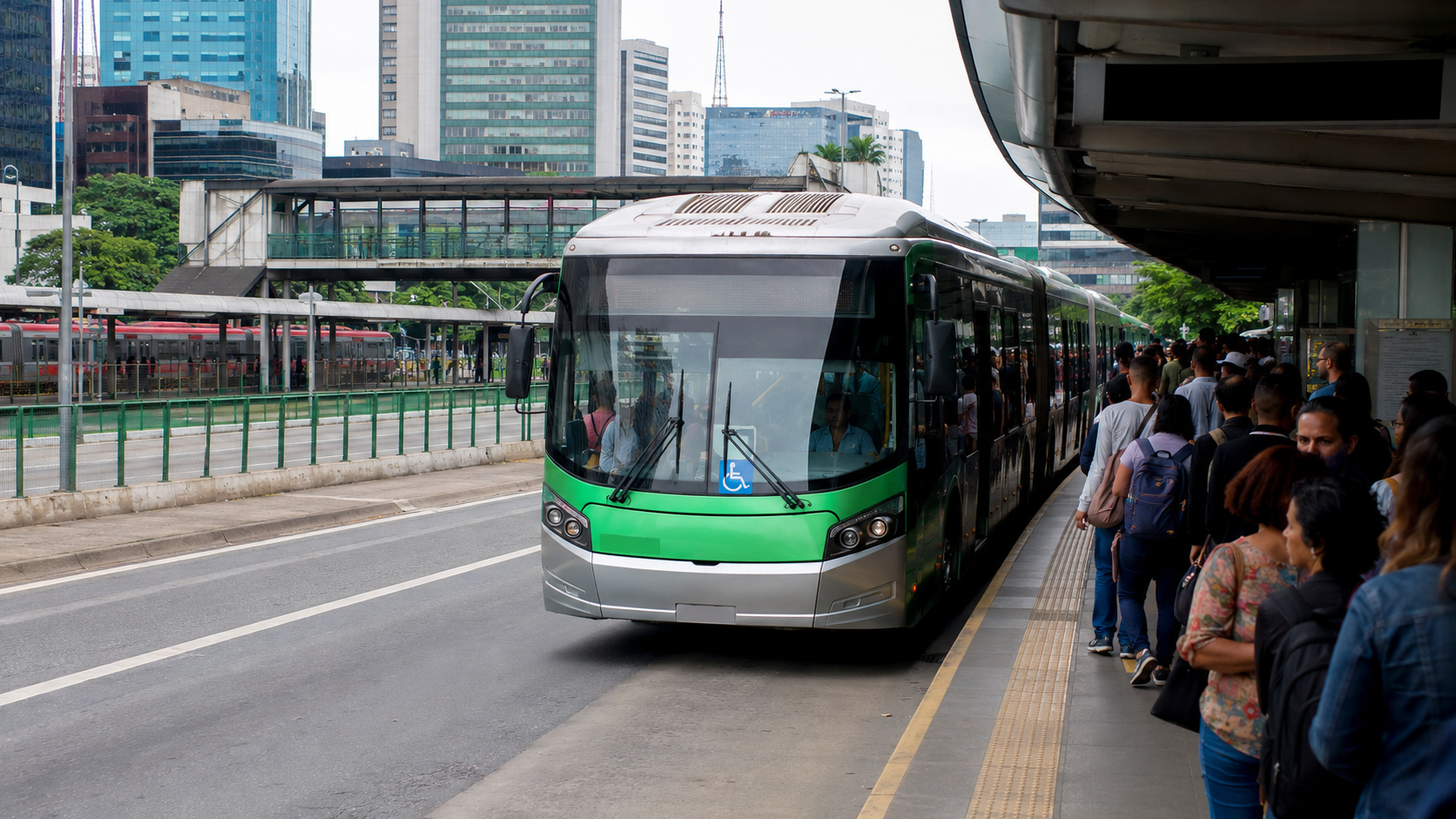
What changes with the new public transportation rules that can reduce pressure on fares and pave the way for zero fare in Brazil?
-
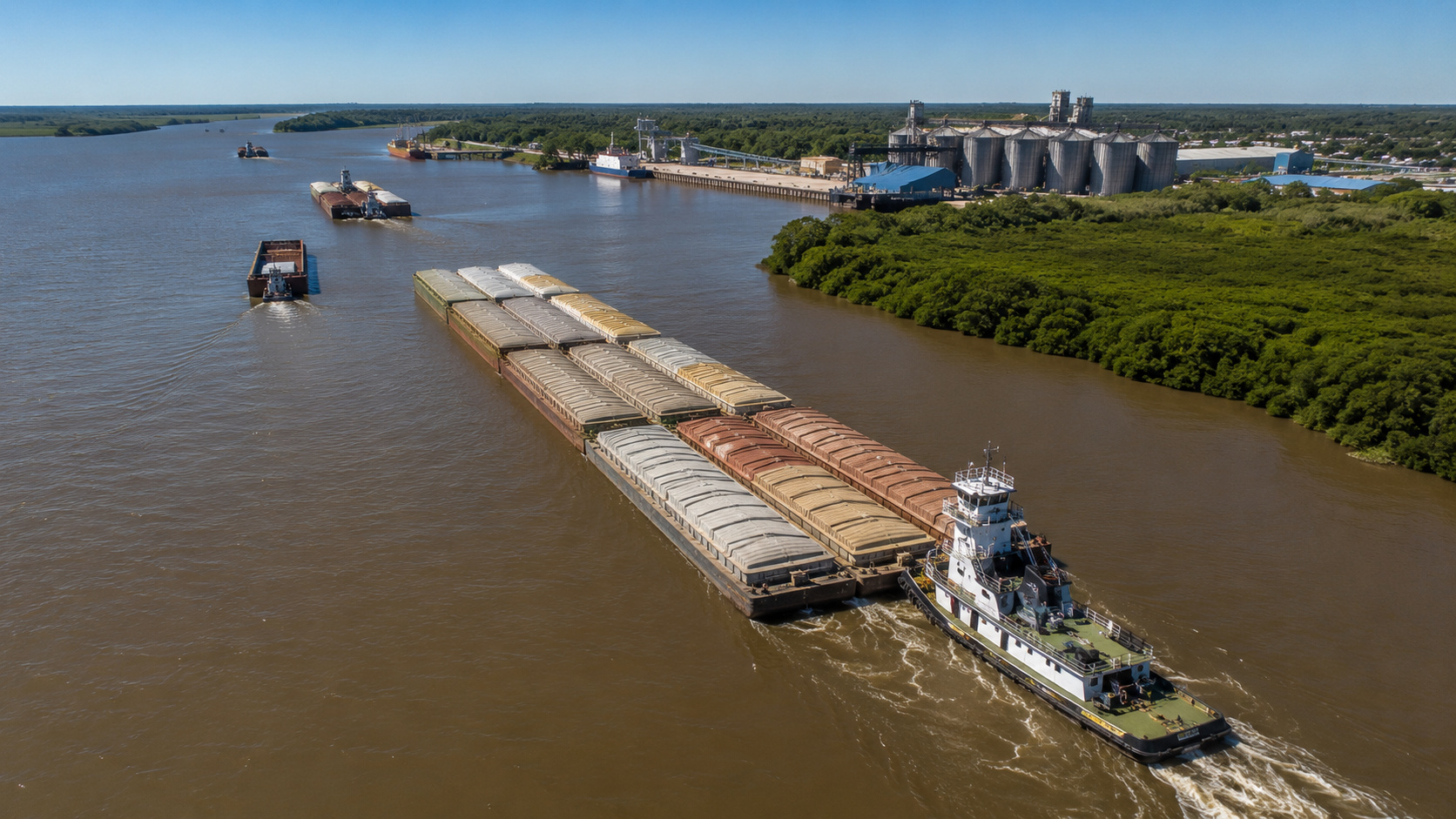
Argentina confirms Belgian giant to lead strategic Paraná River waterway and promises to reduce logistical costs on one of South America’s most important routes
-
MBRF surprises the logistics sector by demonstrating how Artificial Intelligence can directly influence deliveries throughout Brazil by reorganizing distribution routes in seconds, optimizing fleet usage, reducing logistics costs, and speeding up product arrivals even in the face of unforeseen road incidents.

President Mulino stated that the goal is to ensure the “safe and efficient” operation of the ports while a definitive solution is defined. The Panamanian state also indicated that it may compensate the company, depending on the outcome of the process and any future negotiations.
International Bidding and Provisional Transition
As the dispute progresses, the government announced that it will open an international public bidding process to grant the operation of the ports to new companies. The provisional administration has already been assumed by APM Terminals, linked to the Danish giant Maersk, and by Terminal Investment Limited, a branch of the Mediterranean Shipping Company.
The transition occurs amid technical inspections and audits of the port equipment and structures. The official intention is to maintain normal logistical flow, avoiding impacts on global trade, especially at a time of international economic instability.

Reaction from China and Global Impact
CK Hutchison reacted strongly, labeling the measure as illegal and warning of possible legal actions against the Panamanian government. The Hong Kong government filed a formal protest, while China’s Ministry of Foreign Affairs stated that it will defend the legitimate rights of its companies abroad.
The episode also raises uncertainties about parallel negotiations involving the sale of dozens of global assets from CK Hutchison to a consortium backed by American BlackRock. Valued in billions of dollars, the deal has already been seen as a direct reflection of the growing rivalry between Washington and Beijing.
With the Panama Canal handling about 6% of global maritime trade, any change in its operational structure has immediate repercussions in international markets. The outcome of this dispute could redefine strategic alliances in Latin America and influence the future of the Chinese presence in critical infrastructures in the region.