






 Portuguese
  Spanish


O governo chinês quer aumentar a produção interna de soja em 40% até 2030, com o uso de novas tecnologias e incentivos financeiros.
Além disso, o plano prevê o aumento da produção de carne suína e de aves, reduzindo a necessidade de importação de carne bovina.
Com essas medidas, a China espera diminuir sua dependência de importações e fortalecer sua segurança alimentar.
-
Producer receives news and had to cull almost the entire herd, bounced back with the help of compensation, and is now producing 450 liters of milk per day in SC.

-
Quail Eggs Reveal a “Secret Code” on Their Shells Explaining Unique Patterns and Colors

-
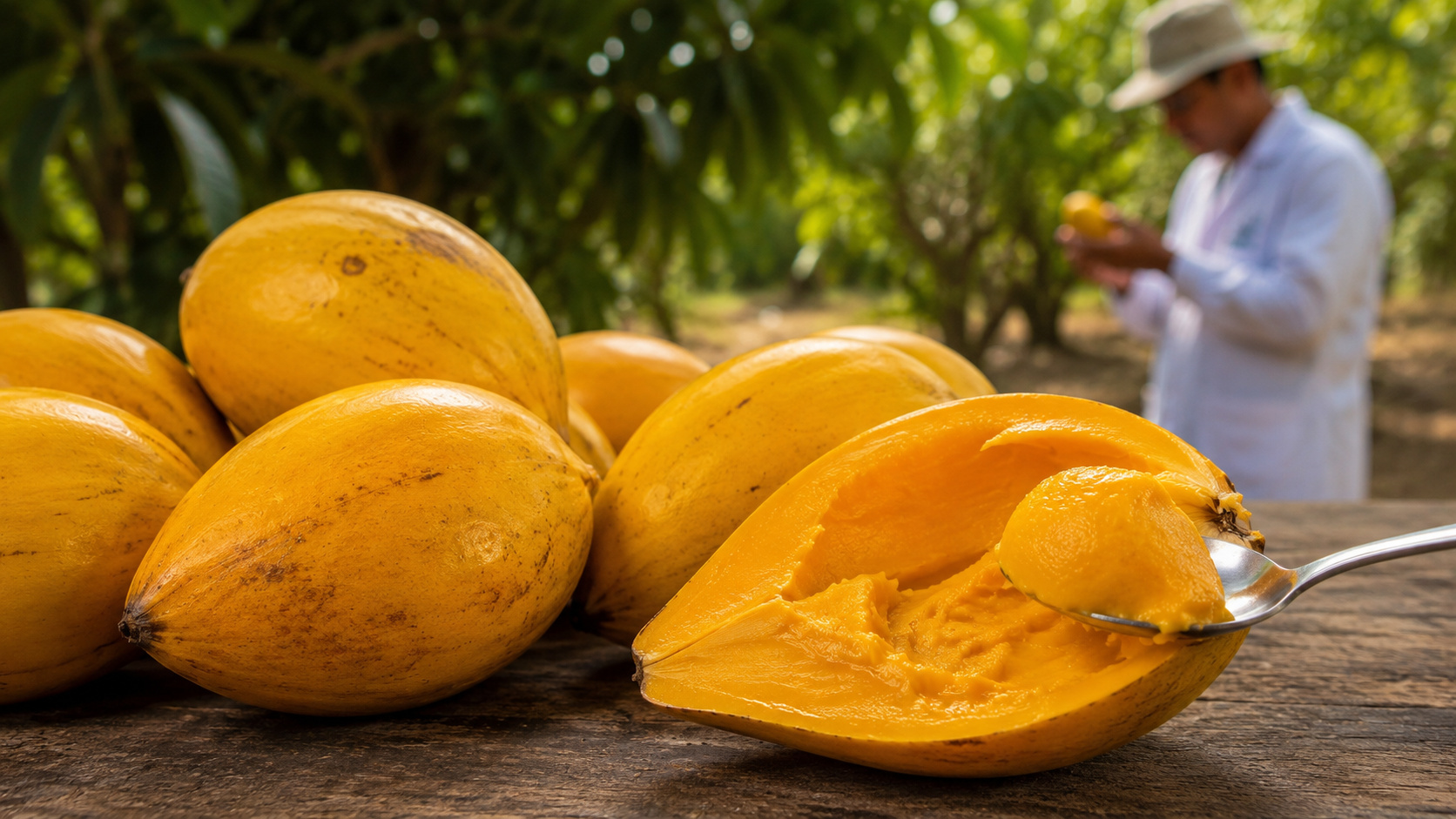
Rare Tropical Fruit Canistel, with Egg Yolk Color and Caramel Flavor, Gains Interest from Researchers and Small Producers in Brazil
-
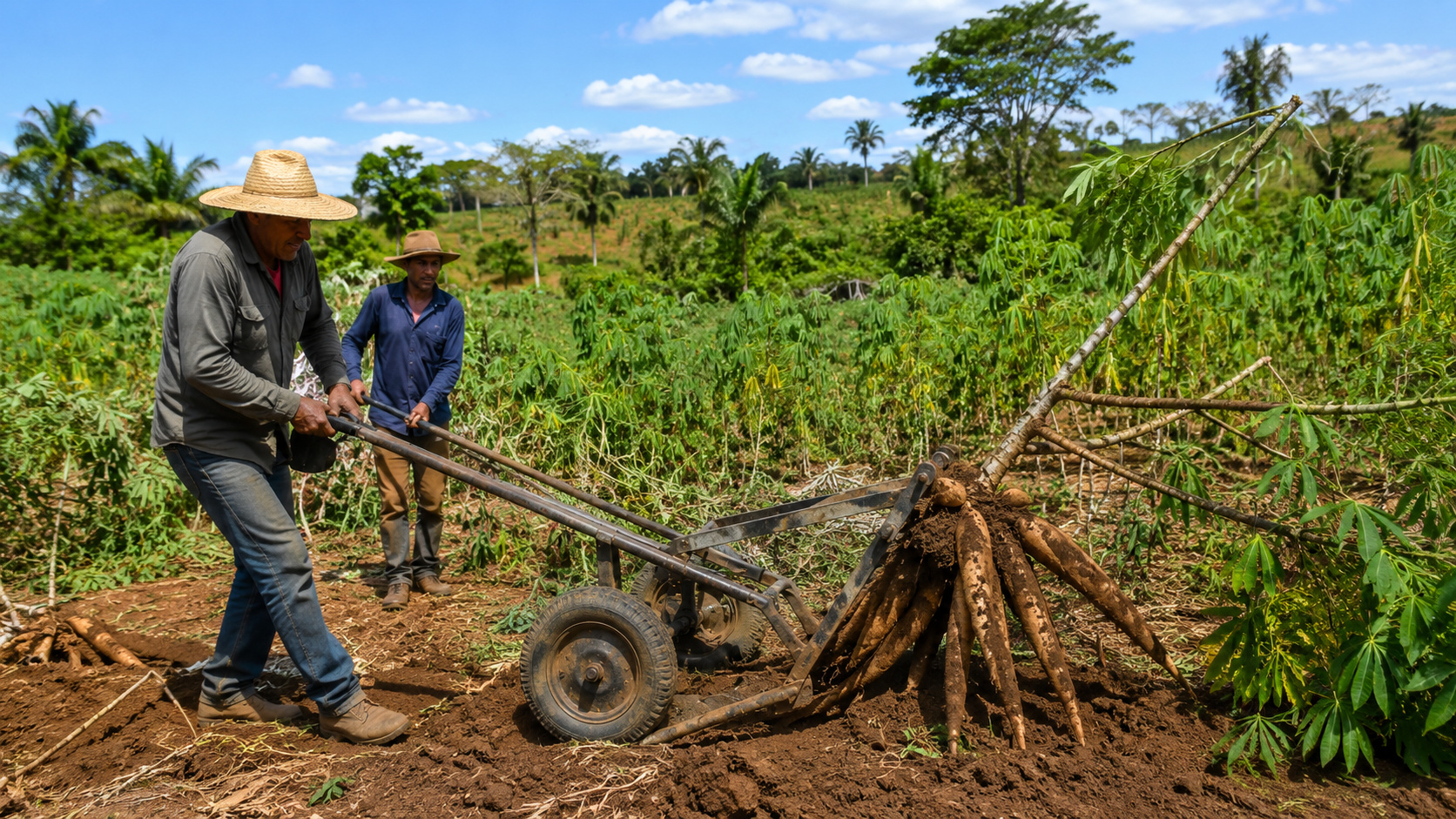
Brazilian Farmers Develop Wheeled Metal Lever to Ease Cassava Harvesting Without Heavy Machinery


O impacto dessas mudanças no Brasil ainda é incerto, mas o país precisará se adaptar à nova realidade do mercado chinês.
The goal of Beijing is to address an agricultural trade deficit of $124.5 billion, equivalent to R$ 631.2 billion. To achieve this, the country adopts the doctrine called “Expanded Food,” focusing on sovereign resilience and technological autonomy.
China recognizes that total self-sufficiency is impossible due to land and water scarcity. The country has 8% of the world’s arable land for 15% of the population. Even so, it seeks “secure dependence,” based on diversification and innovation.
The plan includes low-cost capital from state banks, targeted subsidies, and ongoing funding in research and development.
The idea is to reduce risks in the early stages and allow companies to expand production before full commercial proof.
Goals include grains, seeds, and changes in animal feed
According to Marcos Jank, coordinator of the Insper Agro Global Center, the Chinese goals are concrete. They include the production of 725 million tons of grains per year, expansion of high-standard lands, irrigation, mechanization, sovereign seeds, insurance, credit, and rural infrastructure.
The Chinese government also launched the so-called “50 Million Ton Capacity Action.” The plan imposes productivity targets on provinces to increase domestic grain production by 2030.
In biotechnology, China has started treating seeds as a strategic area, at a level comparable to semiconductors.
The country approved local varieties of genetically modified corn and soybeans, aiming to increase yield per hectare by 6% to 13%.
Another front is animal feed. The government has determined that the inclusion of soybean meal should decrease from 14.5% to less than 10% by 2030.
Muyuan Foods, the world’s largest pork producer, reduced soybean use to 5.7% in 2023, saving 31 kg of the grain per animal produced.
Experts see risk but point out limits of transformation
Patricia Ellen, partner and CEO in Brazil at Systemiq, states that denying the scale of these transformations can be harmful. According to her, there is no sense of urgency in Brazil to address the new Chinese directives.
Ricardo Abramovay, coordinator of the National Institute of Science and Technology, highlights that despite state ownership of land in China, there is encouragement for private and innovative investments, such as crops and animal protein production in vertical structures near cities.
Abramovay also states that Chinese leaders want to replicate in the food sector what they did in the industry.
The motivation has historical weight, including the memory of the Great Famine between 1959 and 1961, caused by climatic factors and failed policies of the Great Leap Forward.
Jank, however, assesses that the projections by Systemiq can be viewed with skepticism. According to him, agri-food systems depend on biology, agronomy, and culture, being more resistant to rapid changes than sectors like batteries, solar panels, and electric vehicles.
Even so, he states that prudence recommends seeking other markets. The material also points out that, in the long term, China projects to become a net exporter of poultry, dairy, eggs, and aquatic products by 2040.
The Ministry of Agriculture and Livestock was contacted but did not comment on the new Chinese guidelines. The Association of Soybean and Corn Producers of Mato Grosso, the leading grain-producing state, also did not express an opinion.
This article was prepared based on information from Folha, the report “China’s Food Future” by Systemiq, and statements by Patricia Ellen, Ricardo Abramovay, Marcos Jank, and Eduardo Martins, with data, numbers, and statements preserved as per the consulted material.






