Portuguese
  Spanish



Rains in Asia Were “Like a Tsunami” and Leave 1,250 Dead. Cities Are Underwater and Authorities Warn of the Risk of New Landslides.
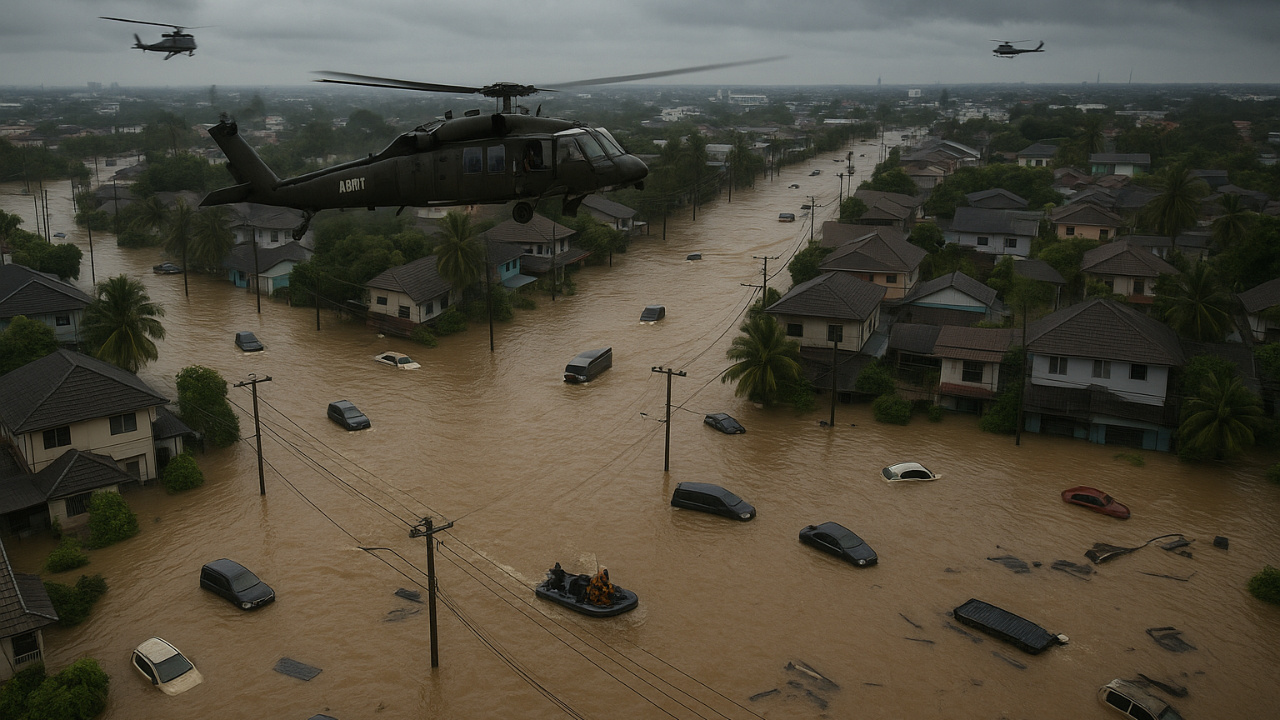
The rains in Asia were “like a tsunami” and have left over 1,250 dead, according to official reports, after a rare combination of cyclones and heavy monsoons caused destruction in three countries.
The disaster particularly affects Thailand, Indonesia, and Sri Lanka, where flooding began last week, triggering landslides, isolating cities, and leaving over a million homeless.
The tragedy became even more dramatic as, in many areas, access was only possible through military helicopters, deployed after entire communities became stranded.
-
European Parliament Approves Digital Euro, Aiming to Challenge Visa and Mastercard’s Dominance and Transform Payments Across Europe by 2029

-
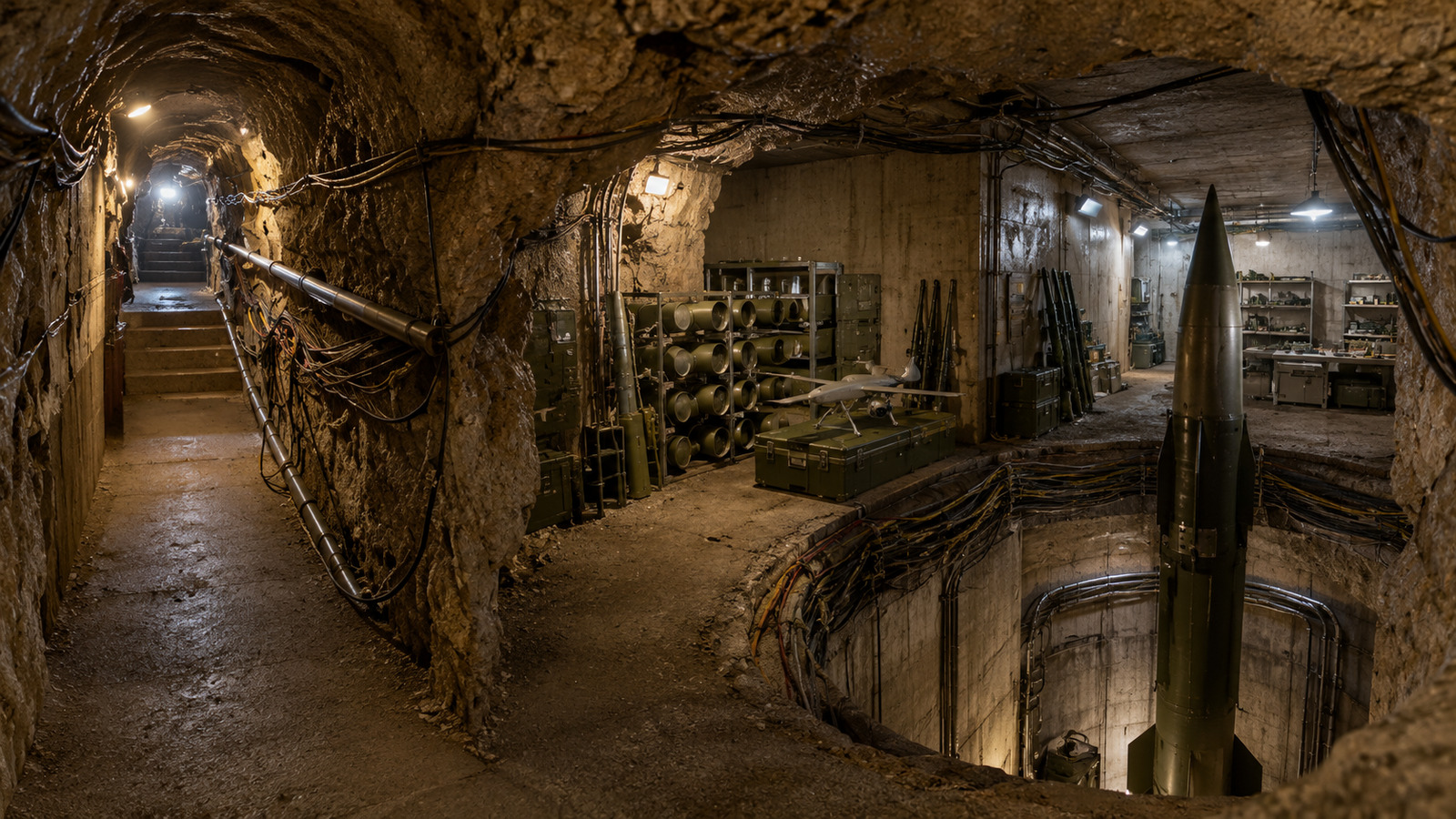
Israel finds Hezbollah militarized tunnel over 200 meters long under village, with 4 missile launch shafts, 12 chambers, anti-tank missiles, drones, and weapons depots at a depth of 25 meters.

-
Ukraine launches largest drone attack on Moscow since 2022, Russia claims to have intercepted nearly 200 aircraft near the capital, Kapotnya refinery targeted again, and offensive reignites alert about war reaching the Russian energy heart just a few kilometers from the Kremlin.

-
Truck drivers, freight, and fines from 2022 take center stage in politics: Chamber approves MP with amnesty, mandatory tracking by CIOT, million-dollar penalties, and new minimum wage for those who spend more than 24 hours on the road.



The most severe impact came from simultaneous storms that formed in the Indian Ocean, intensifying rains that spread over densely populated regions.
Thus, authorities warn that the number of victims is expected to rise due to the large number of missing persons.
Thailand Faces Chaos and Survivors Report “Apocalypse” Scenario
Thailand is among the most affected countries. In the city of Hat Yai, in the south of the country, floods reached up to 2.4 meters high, turning an important commercial hub into a total isolation zone.
It was there that Wassana Suthi, who runs an elderly care home, lived days of panic trying to keep bedridden patients alive while the water rose around the building.
“It rained so much that I couldn’t leave the house,” Suthi recounted, describing the moment she had to take the elderly to the second floor as the electricity went out and the staff had to rely on batteries to power oxygen tanks.
For days, everyone worked by candlelight. The only contact with the outside world came when an Army helicopter dropped food on the roof of the building.
When the waters began to recede, the scene Suthi observed seemed unreal. She described:
“When I saw people on the street lining up to get food, some looking for missing relatives, cars abandoned in the streets. It looked like a movie scene, an apocalypse.”
Even after the flood, the concern did not end. “Now I’m more worried about liquid food for my patients… it’s very hard to find liquid supplies in my area,” she said.
The province of Songkhla, where Hat Yai is located, has already recorded 181 deaths.
Rains in Asia Were “Like a Tsunami” and Leave Over 1,250 Dead: Indonesia Records the Most Victims
Indonesia accounts for the highest number of deaths reported so far.
In Sumatra, a cyclone caused landslides and flash floods that devastated entire communities.
At least 744 people have died and 551 are still missing, according to local authorities.
Rescue teams are still struggling to remove mud and debris from buildings that buried houses and blocked roads.
Moreover, the intensity of the rains surprised even the most experienced residents with natural disasters. Tropical forest areas turned into mud pits, and rivers overflowed with unprecedented force.
Sri Lanka Faces the Worst Flooding in a Decade
Nearly a thousand kilometers to the west, Sri Lanka is facing its own humanitarian collapse. The rains in Asia were “like a tsunami” and leave over 1,250 dead there as well, where a cyclone brought the worst weather event in ten years.
The country has already recorded 410 deaths and 336 missing persons. Famous beaches were engulfed by water, and roads were swallowed by rapid floods.
India has deployed helicopters and naval ships to rescue victims of various nationalities including citizens from Germany, the United Kingdom, Poland, South Africa, and others, and to deliver emergency supplies.
Even Pakistan, India’s historic rival, has sent military support teams.
Slow Recovery and Fear for the Future
Back in Thailand, Wassana Suthi is trying to reorganize the elderly care home while assessing what has been left behind.
The destruction in the region raises another concern: the future.
“It has never been this serious. But this year, everyone is saying the same thing: it was like a tsunami,” she stated.
Experts warn that extreme events are likely to intensify, increasing risks for vulnerable populations in tropical regions.
Therefore, local governments are now pushing for prevention strategies before a new storm season brings another chapter of suffering.