






 Portuguese
  Spanish


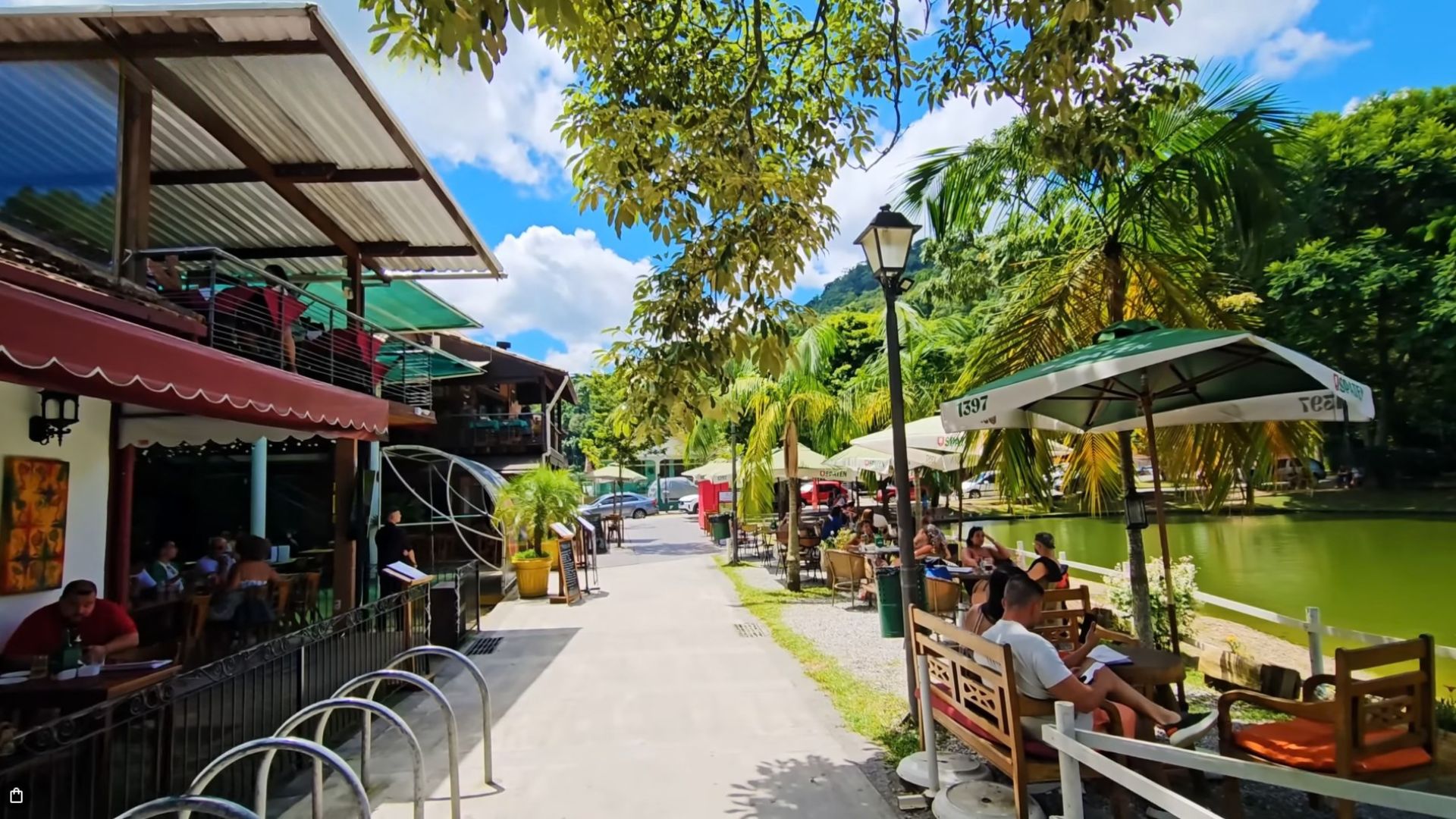


High Mountains, Active Industry and Crystal-Clear Rivers Shape the Identity of a Mountain Town That Combines European Heritage, Above-Average Quality of Life and an Economy Less Dependent on Seasonal Tourism, Attracting Residents and Visitors Year-Round.
About 136 kilometers from the capital Rio de Janeiro, Nova Friburgo has built an identity that blends mountains, European immigration and industry.
The municipality, in the Serrana Region of the state, earned the nickname “Fluminense Switzerland” by bringing together peaks above 2,000 meters, a milder climate than that of the Baixada, a textile hub with continuous production, and a network of rivers and waterfalls that serves as an alternative to the sea during the hottest months.
The social portrait is reflected in the official numbers.
-
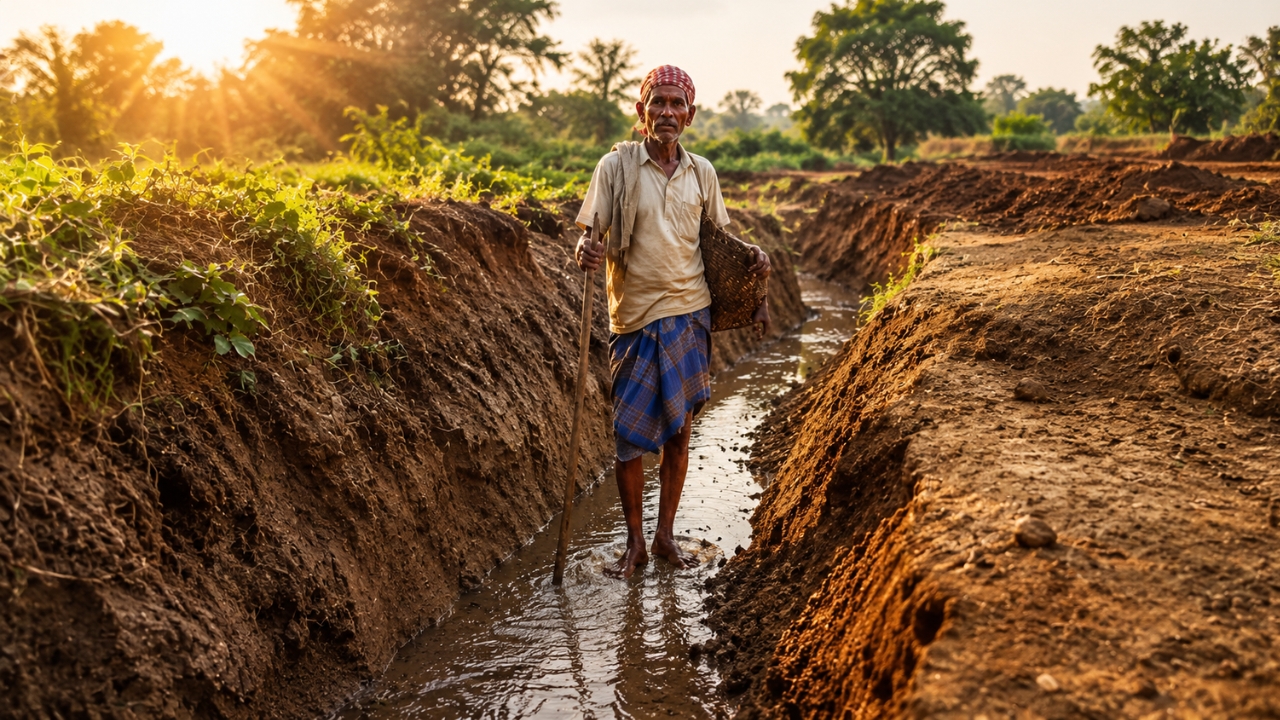
Elderly Man in His 70s Spends Nearly 30 Years Digging 3 km Canal to Transform Arid Land into Farmland in Rural India

-
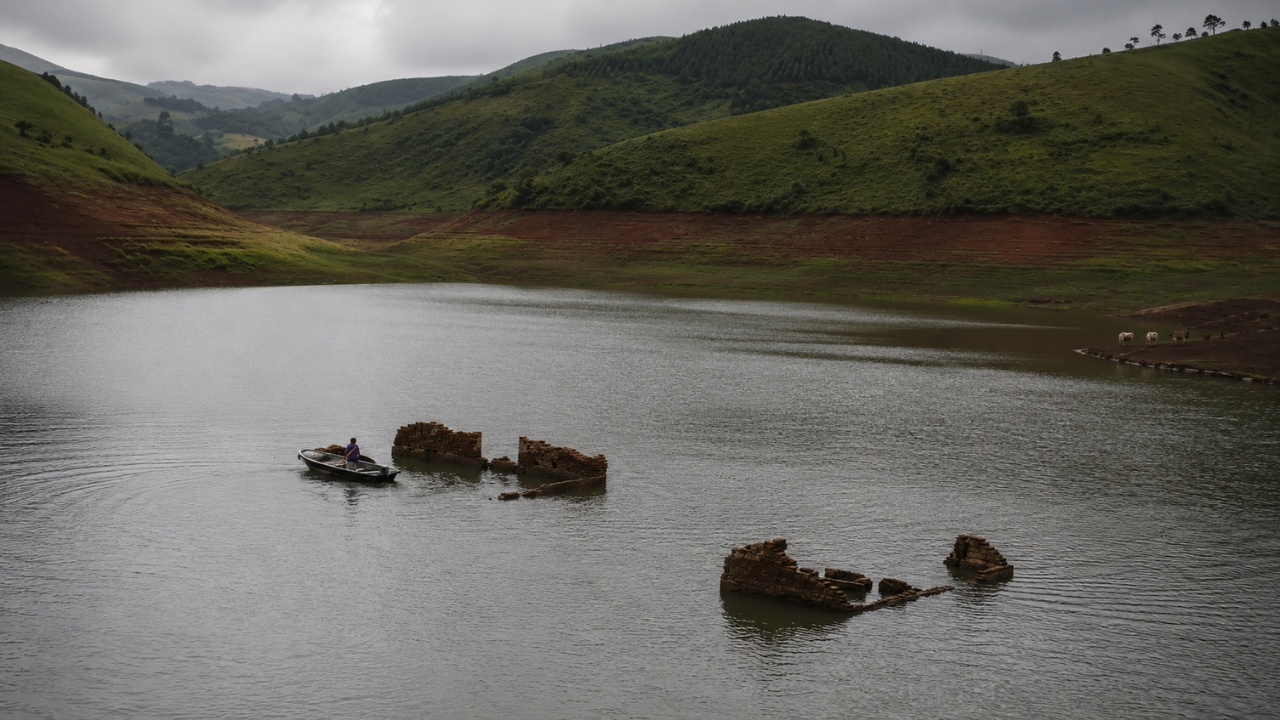
Submerged Town Reemerges in São Paulo as Reservoir Levels Drop, Revealing Ruins and Memories of Displaced Families
-
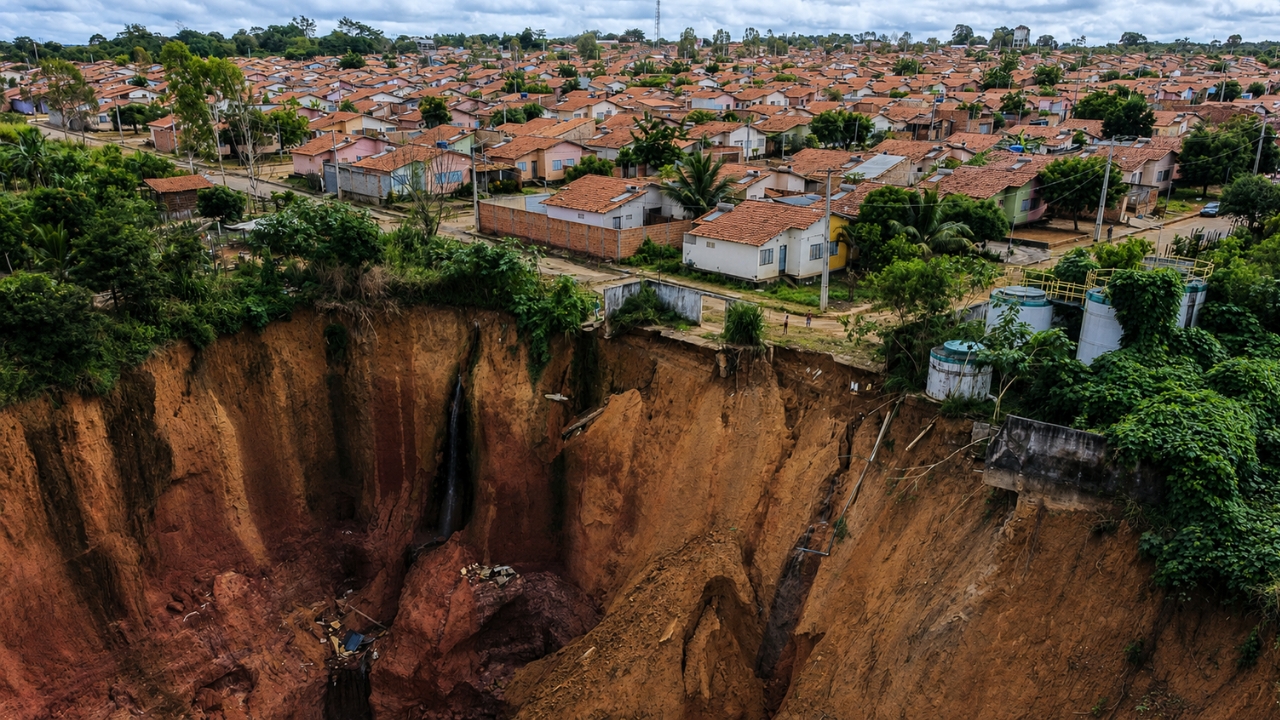
In Northeastern Brazil, 1,200 Residents Face a Silent Nightmare as Giant Sinkholes Threaten Entire Neighborhoods
-
Astronauts Returning from Space Show Altered Gut Bacteria and Loss of Protective Microbes, Highlighting Potential Risks for Mars Missions


The Municipal Human Development Index (IDHM) of 0.745, published in the 2010 snapshot, places the city among the best ratings in the state in the consolidated indicator.
At the same time, the local economy does not revolve solely around winter tourism, as clothing manufacturing remains active throughout the year and supports commerce, services, and a network of small businesses linked to clothing.
European Colonization and Urban Identity
The association with Europe is not only due to the cold.
The history of the municipality is linked to Swiss colonization, with the arrival of immigrant groups in 1819, often cited as the starting point of the colonial experience that named the city.

Vestiges of this heritage appear in cultural references and in spaces that preserve memory and traditions, such as the Casa Suíça, often cited as a memorial of colonization.
This historical component is often used to explain part of the town’s appeal to residents and visitors.
It combines with the everyday life of a medium-sized town, urban infrastructure, and services that serve a population of over 189,000 inhabitants, according to the latest Census from IBGE.
Textile Hub Sustains Economy Year-Round
The manufacturing hub, especially the intimate fashion segment, is frequently cited as one of the economic axes of Nova Friburgo.
Instead of relying solely on holidays and winter movement, the city maintains income circulation with factories, local brands, and outlet stores.
This dynamic includes a network of suppliers and service providers that expands the economic impact of the sector.
In some seasons, the business calendar gains traction with the Fevest, an event described by industry institutions as the largest intimate fashion, beach, and fitness fair in Latin America.
In the 2025 edition, data released by business entities indicated the presence of buyers from different states and countries, reinforcing the event’s role in the national and international projection of the Friburguense hub.
Extreme Relief and Access to the Largest State Park

On the relief map, the city benefits from a strategic position in the Serra do Mar.
The Três Picos State Park is presented as the largest state conservation unit in Rio de Janeiro, encompassing extensive areas of Atlantic Forest and trails that range from easy walks to technical routes.
Among the best-known points is the Pico da Caledônia, with an altitude often reported to be around 2,257 meters.
On clear days, the view allows you to see distant areas of the Metropolitan Region, according to tourist descriptions and historical records.
Another formation mentioned in ecotourism itineraries is the Pedra do Cão Sentado, located in a visitation area with trails and viewpoints.
Information released by the site itself indicates access rules and operating hours, while visitor reports describe the route as an easy to moderate hike.
Waterfalls of Lumiar and São Pedro da Serra Replace the Coast
When temperatures rise, part of the leisure moves to the mountain districts and river areas.
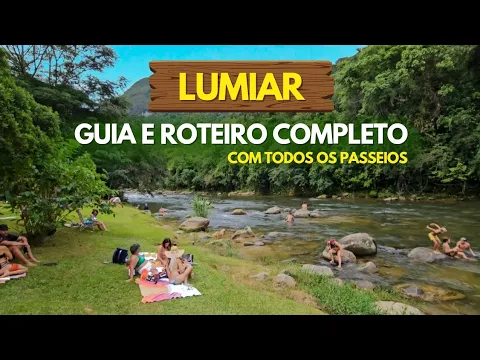
Lumiar and São Pedro da Serra frequently appear in guides and reports as bases for ecotourism, with pools, waterfalls, and trail circuits.
The region attracts residents and visitors in search of river bathing and walks amidst the Atlantic Forest.
The concept of the “Friburguense coastline” relies precisely on this combination of cold water, preserved forest, and short distances from the urban center.
Local guides and visitation organizations recommend paying attention to access rules and rainfall volume, which can alter the safety of trails and crossings.
Mountain Climate Influences Tourism and Local Routine

The climate is one of the town’s hallmarks.
Climatic surveys indicate drier winters and summers with a higher frequency of rains, a typical pattern of Southeast Brazil.
The smallest average precipitation volumes tend to concentrate in the middle of the year.
On the other hand, the highest indices appear at the end and beginning of the year, when the heat favors the formation of storms.
This climatic pattern helps explain why winter tourism boosts restaurants, inns, and gastronomic events during the mountain season.
In summer, the movement concentrates on rivers and waterfalls.
Still, weather variability is part of everyday life, with occasional records of temperature drops outside the expected pattern.
Cable Car Integrates Urban Leisure and Panoramic View
In addition to nature, the city maintains attractions linked to urban outings.
The Teleférico do Suspiro, inaugurated in the 1970s, connects Praça do Suspiro to Morro da Cruz.
The route offers a panoramic view of the urban area and the surrounding mountains.
Historical records mention periods of interruption and resumption of operations after the 2011 climate tragedy in the Serrana Region.
Combined with the central commerce and shopping routes linked to clothing, the equipment integrates an itinerary that alternates consumption, leisure, and contemplation.
In the midst of this combination of mountains, industry, and fresh water, the question that often arises among residents and visitors is simple.
What weighs more in the decision to return: the view of the peaks, the waterfall baths, or the routine of a city that functions beyond the high season?


