





 Portuguese
  English
  Spanish
 3 min of reading
  0 comments


São Paulo’s Interior Will Be the Site of Production for an Innovative Vehicle, Creating 12 Thousand Jobs and Boosting Regional Development
The city of Sorocaba, located in the interior of São Paulo, is about to experience an industrial advance with the arrival of a new assembly line from the Japanese automaker Toyota. This investment promises to transform the local economy by generating approximately 12 thousand new jobs, including two thousand direct and up to ten thousand indirect, by the year 2030.
This new project from Toyota is part of an ambitious investment plan of R$ 11 billion in Brazil by 2030. The automaker, which already has a factory in the city, intends to expand its production capacity with the construction of a new unit.
This plan, in addition to being the largest investment by the company in the country, will enable the development of a flex hybrid vehicle, with production starting in 2025.
-
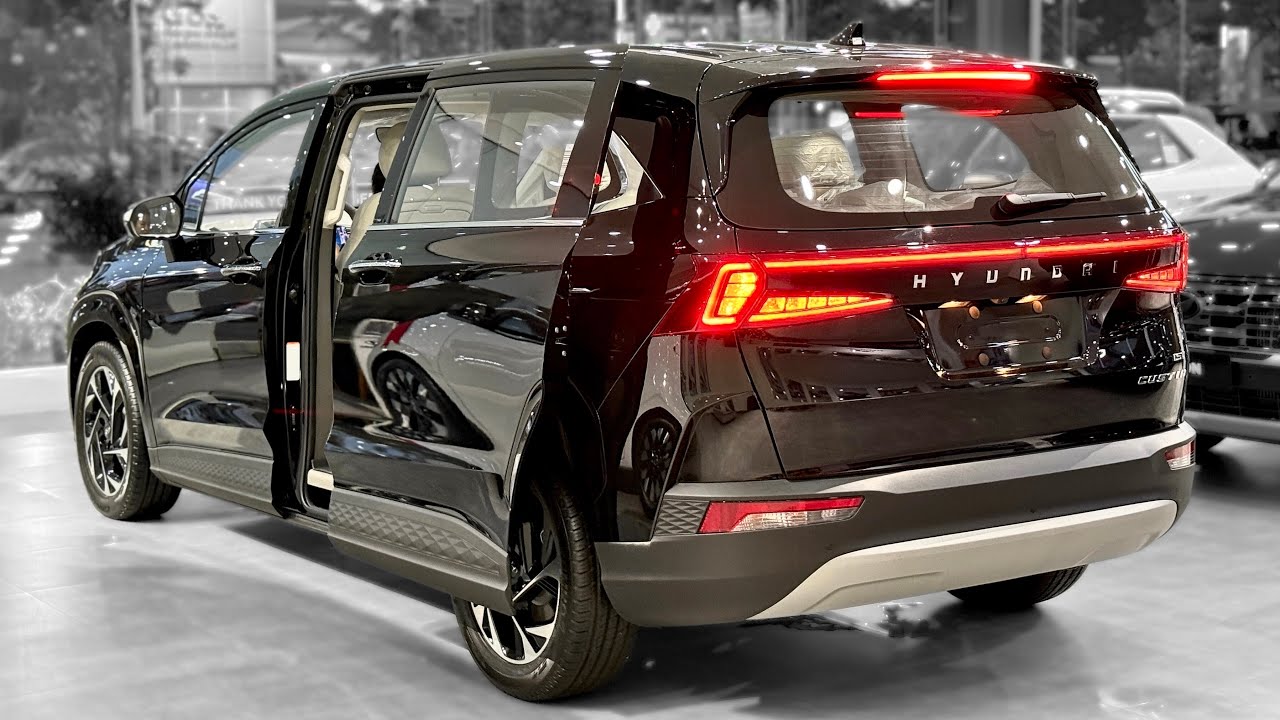
Hyundai sells an executive minivan that looks like a VIP room on wheels: Custin carries 7 people, uses a 1.5 turbo engine with 168 hp, 8-speed automatic transmission, and costs around R$ 157,000 in direct conversion in Vietnam.

-
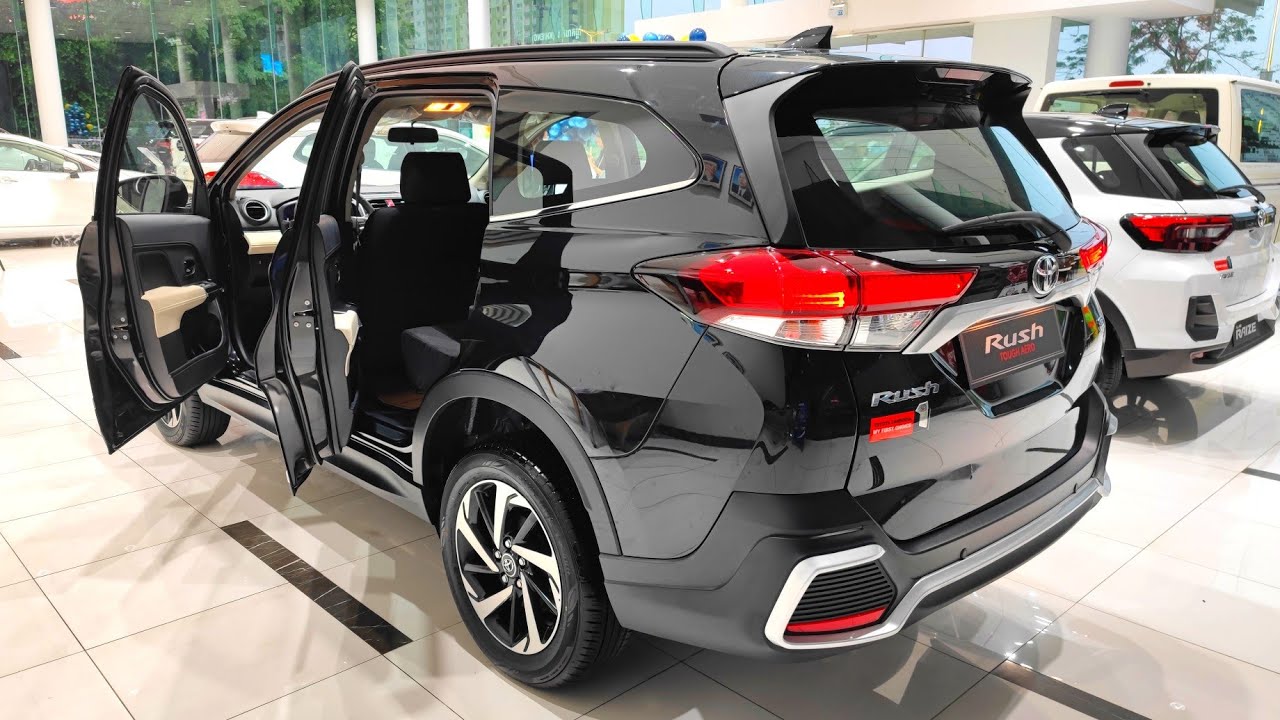
The 7-seater Toyota that seems too cheap to exist in Brazil: Rush has a 1.5 engine, manual or automatic option, and a converted price close to R$ 81,000, while here families need to aim for much more expensive SUVs.
-
The 2012 Mitsubishi Pajero Dakar diesel shows 314,000 km and still draws attention for its reputation for durability; the seven-seater 4×4 SUV handles trails, but signs of severe use may conceal losses for used car buyers.
-
Peugeot publicly acknowledged the errors of the PureTech engine, which caused serious failures in hundreds of thousands of cars, and introduced the new Turbo 100 as a definitive solution, a 1.2 turbo tested for over 3 million kilometers that replaces the faulty belt with a more durable chain.



New Factory and Sustainable Technologies in São Paulo’s Interior
With an area of 400 thousand square meters (m²) – equivalent to 40 football fields – Toyota’s new plant will feature 160 thousand m² of built area and will begin operations in 2026. The focus of production will be on flex hybrid vehicles, technology that combines combustion engine with electric motor, ensuring fuel economy and reduction of pollutant emissions.
The Toyota factories in São Paulo’s interior, in Sorocaba, will follow the “Ecofactory” concept, which prioritizes sustainable practices and decarbonization. The goal is to reduce energy consumption, optimize water use, and decrease the volume of waste generated. This initiative is part of the company’s mission to contribute to a more sustainable future.
The Role of the São Paulo Government in the Project
To make the project feasible, the government of the state of São Paulo announced the granting of a significant incentive. An investment of R$ 1 billion will be made, using ICMS tax credits, under the Pró-Veículo Verde program, which encourages the production of more sustainable vehicles in the state. This support was a crucial factor for Toyota to choose Sorocaba as the site for its new production line.
The groundbreaking ceremony for the new unit was held on October 31. The event was attended by officials such as the re-elected mayor of Sorocaba, Rodrigo Manga, and the governor of São Paulo, Tarcísio de Freitas, who highlighted the importance of the initiative for the economic and social development of the region.
The Impact on the Local and National Economy
The project promises to significantly boost the local economy, attracting investments and generating a network of jobs that will benefit not only Sorocaba but several surrounding cities. Additionally, the expected increase in Toyota’s production capacity, with more than 100 thousand vehicles to be manufactured annually, positions Brazil prominently in the automotive sector.
This new production line from Toyota is a response to the growing demand for more efficient and less polluting vehicles, a movement that reflects the new demands of the market and society. The introduction of flex hybrid models, specially developed for the Brazilian audience, is a clear indication that the company is attentive to local needs while committing to sustainability.


Be the first to react!