






 Portuguese
  Spanish
 4 min of reading
  0 comments



In The Interior Of São Paulo, Guaratinguetá Stands Out For Combining Low Cost Of Living, Stable Climate, And Diversified Economy, Attracting Companies And Residents Seeking Quality Of Life And Comprehensive Infrastructure.
Guaratinguetá, in the São Paulo Valley, has stood out in national surveys for combining low cost of living, mild climate, and consolidated infrastructure.
In August 2025, Exame magazine ranked the municipality as the cheapest city in Brazil to live in, according to a study based on consumption and housing data.
The city has 121,916 inhabitants, according to IBGE estimates, and is situated in an area of 752.6 km² in the interior of São Paulo.
-
Goodbye, clothesline: new option for drying clothes utilizes walls, doors, and even room height with multiple drying levels, retractable model, and compact structure that promises to transform small laundries in 2026.

-
A discarded microwave may contain 22-carat gold in internal components; study recovered a 450 mg nugget from electronic boards.
-
Beach in the Northeast reaches a new level with a resort worth R$ 745 million, villas up to R$ 8.3 million, a complex of 2,347 hectares, and 6.5 km of beachfront in a destination still far from the hustle and bustle of Pipa.
-
Man buys abandoned luxury Mitsubishi for R$ 2,000 and performs an impossible transformation after finding the engine without oil, the car covered in mud, and even slugs; the project consumed R$ 17,000 and the final result impresses.


Competitive Cost Of Living
According to the survey by Exame, the average cost of living in Guaratinguetá is about 30% lower than the national average and can be 50% lower than that of capitals like São Paulo.
Rent is identified as the main factor reducing local expenses, with prices up to 65% lower than those practiced in major urban centers.

These indicators have been used in economic and residential mobility reports to exemplify cities with good income-to-expense ratio.
Location And Easy Access
Located 175 kilometers from the state capital, Guaratinguetá is traversed by the Presidente Dutra Highway, which connects São Paulo to Rio de Janeiro.
According to data from the state government, this geographical position offers easy access to centers of commerce, industry, and services, making the municipality part of a strategic transportation and logistics corridor.
Stable And Pleasant Climate
With an average altitude of 530 meters, the municipality experiences moderate temperatures throughout the year.
Data from the National Institute of Meteorology (Inmet) indicate maximum averages close to 31 °C in the summer and minimums ranging from 12 °C to 24 °C in the winter.
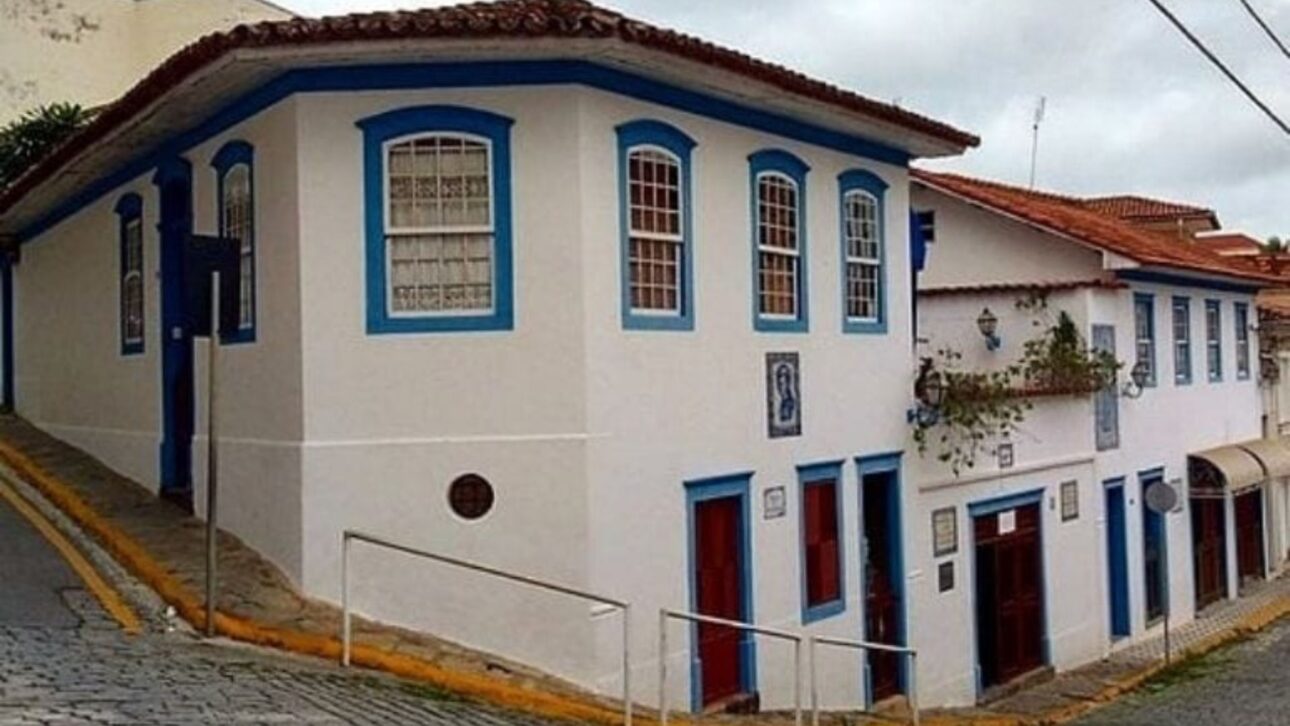
According to urban climate experts, these conditions contribute to a comfortable thermal sensation and favor outdoor activities.
Urban Structure And Social Indicators
Guaratinguetá concentrates health, education, and commerce services that serve the local population and neighboring cities in the Paraíba Valley.
The municipality has a Municipal Human Development Index (IDHM) of 0.798, classified as “high” by the United Nations Development Programme (UNDP).
According to economists analyzing regional indices, this performance reflects balanced urban conditions compared to cities of similar size.
Strong And Consolidated Industry In The Paraíba Valley
Guaratinguetá’s economy is based on industrial, commercial, and service activities, with a focus on the chemical sector.
The BASF complex is located in the municipality, considered by the company and specialized publications to be the largest in South America.

According to the Federation of Industries of the State of São Paulo (Fiesp), the enterprise is responsible for generating thousands of direct and indirect jobs and boosting local revenue.
Productive Diversification And Job Creation
The Paraíba Valley region hosts diversified productive chains.
According to the Ministry of Development, Industry, Trade and Services, there is a presence of companies in the chemical, metal-mechanical, and aerospace sectors.
Close to hubs like São José dos Campos and Taubaté, Guaratinguetá benefits from the circulation of skilled and specialized labor, which expands job and innovation opportunities.
Logistics And Regional Infrastructure
The Guaratinguetá City Hall reports that the city has logistical infrastructure capable of serving medium and large industries.
The municipality is connected to southeast ports and airports and has direct access to the Presidente Dutra Highway.
This geographical position is cited by economic consultancies as a competitive advantage for companies looking to reduce transportation and distribution costs.
Affordable Housing And Services
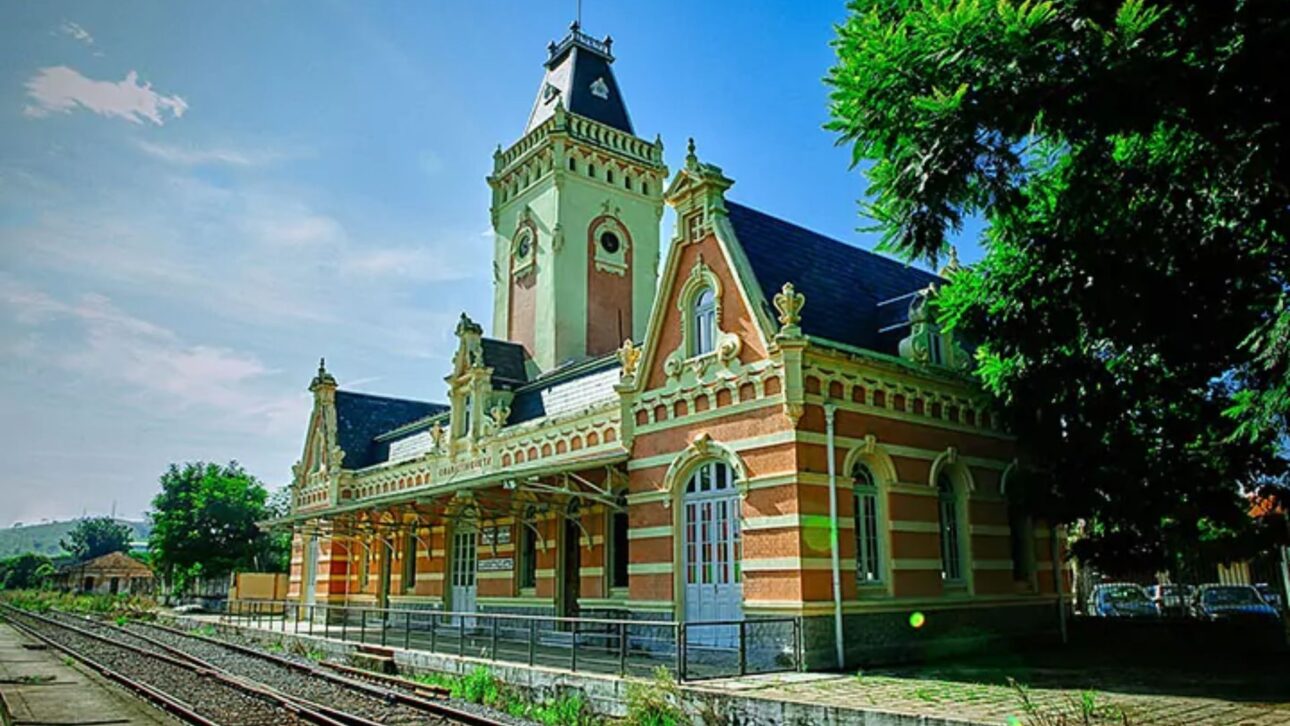
The survey by Exame also highlights that the local real estate market has values lower than the national average, which contributes to low housing costs.
According to industry consultancies, services like food, transportation, and leisure also have lower prices than those recorded in capitals and metropolitan areas.
These factors explain the increase in new residents coming from other parts of the state.
Public Indicators And Transparency
Data from IBGE shows that Guaratinguetá has a population density of 162 inhabitants per km² and consistent economic indicators.
Urban management specialists affirm that the availability of official and updated data facilitates public and private planning, aiding investors and families seeking information before moving to the municipality.


The Perception Of “European City”
The expression “European city in Brazil,” used in tourism and quality of life content, originates from verifiable aspects such as mild temperatures, urban organization, and relative low cost.
Urban planners point out that the combination of these factors helps to create an image of balance and well-being, although without technical character.
Profile Of New Residents
According to the Economic Development Secretariat, Guaratinguetá has attracted industrial workers, service professionals, and retirees seeking medium-sized cities with consolidated infrastructure and predictable household budget.
The municipal administration states that programs for incentives for business establishment and improvement of public transportation are part of the strategy to maintain economic competitiveness and improve the quality of urban services.


Be the first to react!