






 Portuguese
  Spanish




São Paulo City Reveals the Little-Known Side of the Tietê River, with Protected Springs, Conserved Ecosystems, and a Strong Historical Connection to Environmental Preservation
The Tietê River, often associated with urban pollution, presents an opposite reality at its source. In Salesópolis, in the interior of São Paulo, the river emerges clean, clear, and surrounded by preserved Atlantic Forest, demonstrating how human occupation directly influences the environmental quality of watercourses.
Located in the Alto Tietê region, Salesópolis serves as a tourist resort and maintains strategic areas for environmental protection. From early on, the city attracts attention for conserving the spring of one of the country’s most important rivers, in contrast to the degraded stretches of metropolitan regions.

Historical Formation Shaped the Environmental Profile of the City
The origin of Salesópolis dates back to the 19th century, when drovers spurred the formation of the settlement in the Paraíba Valley. Initially called São José do Paraitinga, the locality developed its economy based on agriculture and the controlled use of natural resources.
-
Crab Trapped in Plastic Bottle for 62 Days Near Okinawa Highlights Little-Known Impact of Marine Pollution on Small Animals

-
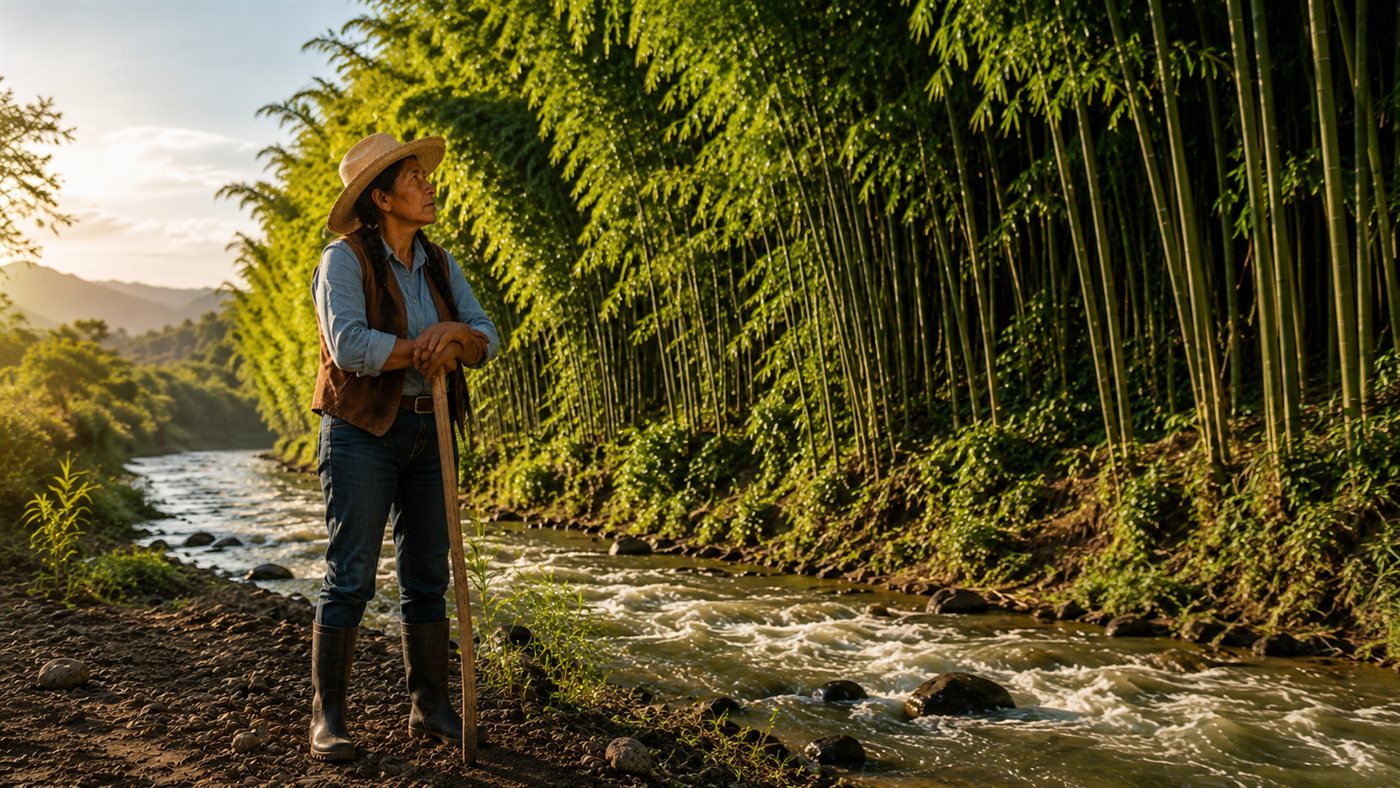
Esperanza’s Bamboo Barrier in Oaxaca Redirects River and Reduces Erosion by 85% in Five Years

-
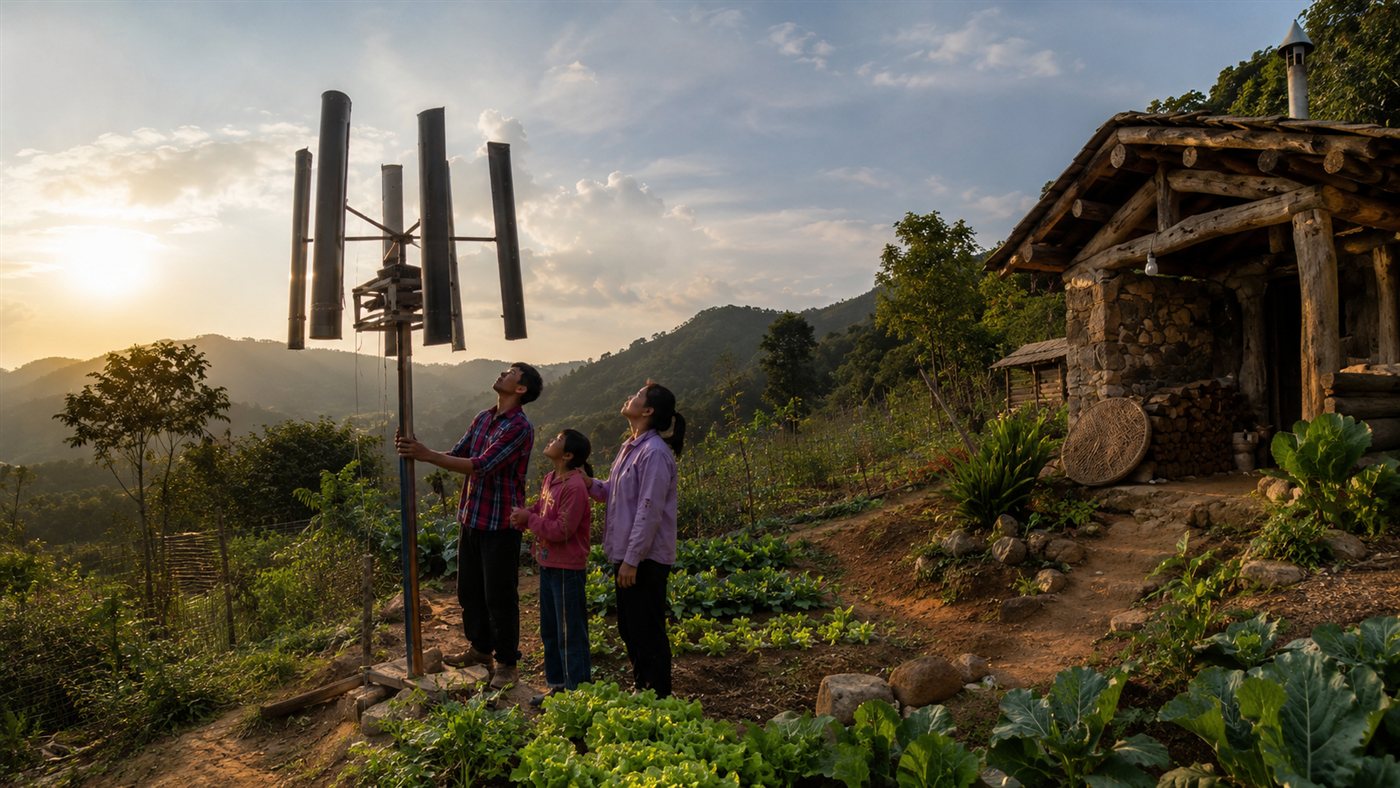
Family Builds Homemade Wind Turbine to Power Off-Grid Home, Video Reaches 555,000 Views on Ngô Thị Huyền’s Channel
-
Indian Brand Creates Sneakers from Recycled PET Bottles and Discarded Tires, Repurposing Over 1 Million Bottles and Raising $4 Million for Expansion



Unlike other regions of São Paulo, the municipality did not experience intense cycles of mining or heavy industrialization, which favored environmental conservation. In 1905, the city adopted the name Salesópolis, in honor of then-president Manoel Ferraz de Campos Sales, according to historical records from the state of São Paulo.
Throughout the 20th century, especially after the expansion of state environmental policies, Salesópolis took on a strategic role in protecting water and energy areas aimed at supplying the Metropolitan Region of São Paulo, according to data from the State Government.
Where the Tietê River Springs
The official spring of the Tietê River is located in Salesópolis, within the State Park Nascentes do Rio Tietê. At this point, the river emerges narrow, shallow, and drinkable, surrounded by native Atlantic Forest.
Right at the beginning of its course, the Tietê allows crossing with just a few steps. The water remains clean, cold, and rich in aquatic life. Thus, the location practically illustrates the relationship between environmental conservation and responsible human occupation, according to the guidance of the Secretary of the Environment of the State of São Paulo.
However, this scenario changes throughout the journey. After starting off preserved, the river travels over 1,100 kilometers, passing through densely urbanized and industrial areas before flowing into the already environmentally impacted Paraná River, according to historical state surveys.
Ecotourism and Natural Attractions Strengthen the Local Economy
Today, Salesópolis consolidates its vocation for ecotourism, rural tourism, and environmental education, attracting visitors, students, and researchers throughout the year.
• State Park Nascentes do Rio Tietê: the main attraction of the municipality, features marked trails, natural viewpoints, and educational spaces about water resources. The Forest Foundation manages the park and receives frequent visits from schools and tourists.
• Waterfalls and Natural Trails: the region hosts several clean waterfalls, accessible via trails of varying difficulty levels. Among the highlights are Cachoeira dos Freires and Cachoeira do Poço Bonito, which are highly sought after during the warmer months.
• Rural Tourism and Local Gastronomy: in addition, the city values small farms, family restaurants, and artisanal products. Colonial coffee, homemade São Paulo cuisine, and locally produced foods are part of the tourist experience.
• Preserved Urban Center: finally, the center of Salesópolis maintains a tranquil environment, with tree-lined squares, simple buildings, and cultural events related to local history and environmental preservation.
Thus, Salesópolis proves that the Tietê River is born healthy, and that environmental preservation from the outset generates lasting positive impacts. Given this contrast, should the future of the Tietê prioritize the recovery of degraded stretches or reinforce the protection of already preserved areas?


