






 Portuguese
  Spanish


The Smallest City in São Paulo Leads National Development Ranking and Stands Out for Efficient Public Management, Urban Planning, and a Tourist Profile Linked to Hydro-mineral Sources.
Águas de São Pedro, in the interior of São Paulo, combines two uncommon characteristics in the country: it is the smallest municipality in São Paulo by land area and, according to the Firjan Municipal Development Index (IFDM) 2025, the most developed in Brazil.
With 3.612 km² and 2,780 inhabitants (Census 2022), the hydro-mineral resort leads the national ranking of socioeconomic development, which uses official data from 2023 in the areas of health, education, employment, and income.
Smallest City in SP, with Services Proportional to Size
According to IBGE, Águas de São Pedro is the smallest city in São Paulo by land area, with 3.612 km², fully urbanized.
-
15-Year-Old Entrepreneur Malu Lira Publishes 20 Children’s Books on Financial Education, Earns $500,000, and Expands Her Project to the Amazon Rainforest

-
Entrepreneur Turns Rio Cemetery Canteen into a Successful Snack Chain Generating $4.9 Million Annually and Expanding to Metro Stations

-
Rare fox feared “extinct” found alive on Caribbean island after over two decades without official sightings

-
21-Year-Old Brazilian Student Turns Homemade Popsicle Hobby into $100,000-a-Month Business





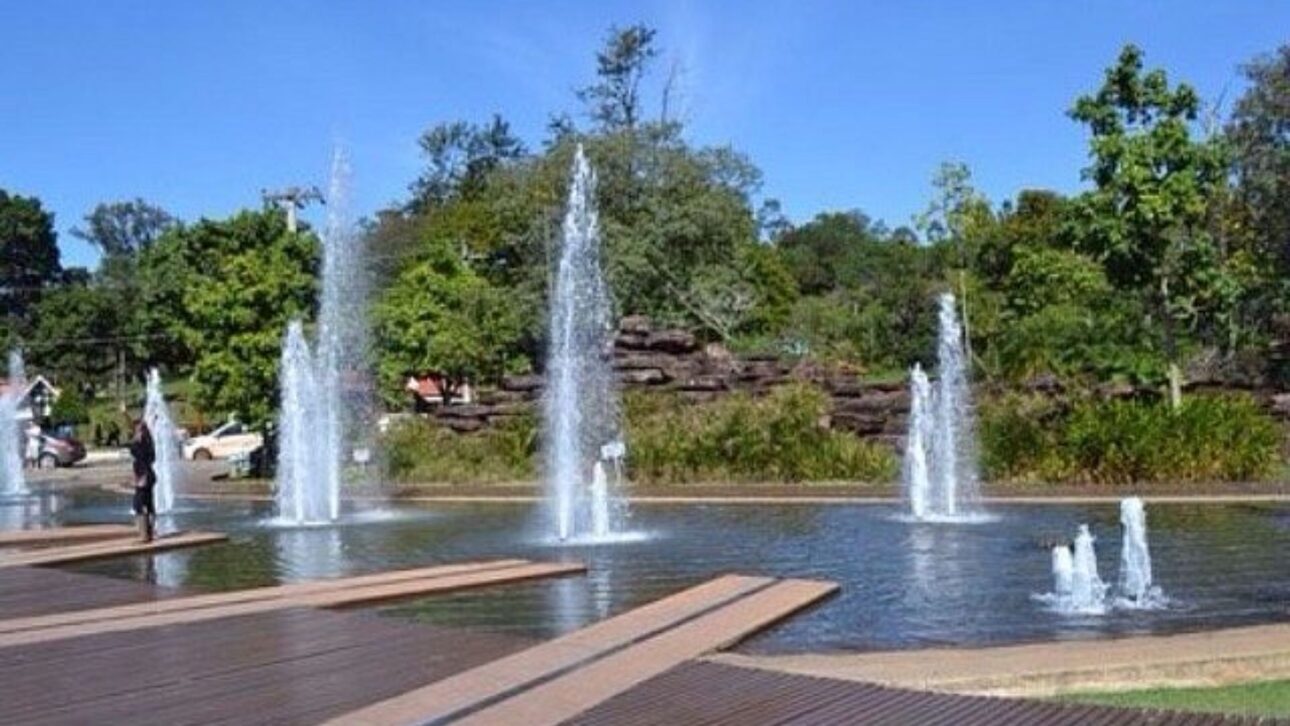
In 2025, the estimated population is 2,928 residents, which, according to the city hall, facilitates the provision of public services and urban control.
The small size also influences aspects such as mobility and infrastructure maintenance.
The municipality has a lower population density than medium-sized cities but maintains an active local commerce and a hotel network focused on rest and wellness tourism.
The status of hydro-mineral resort recognized by the state government directs resources to the tourism sector, considered the main economic driver of the city.
Management and Performance in the National Ranking
The leadership of Águas de São Pedro in the IFDM 2025 results from, according to Firjan, good results in education, health, and employment & income.
The index, which ranges from 0 to 1, assigned the city 0.8932 points, the highest among the 5,500 Brazilian municipalities evaluated.
The entity highlights that the result reflects consistent public policies and efficient use of resources.
In the educational area, municipal data indicate full coverage in elementary education and near-zero dropout rates.
In health, primary care is responsible for the majority of services and reduces the need for travel to neighboring cities.
In the economic field, the main source of formal jobs is tourism, followed by services and commerce.
Urban Planning and Environmental Actions
According to the municipal administration, the urban layout planned since the city’s founding contributes to territorial organization and the preservation of green areas.
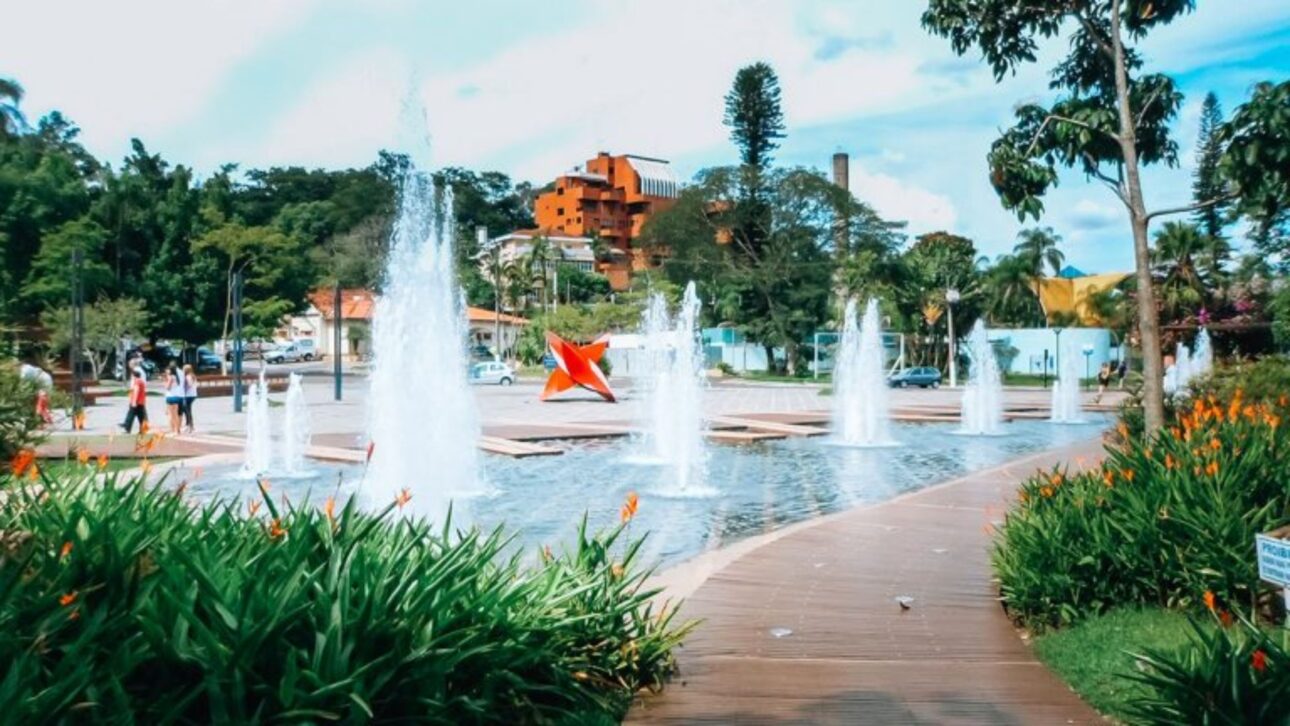
Paved streets, continuous sidewalks, and tree cover are aspects frequently mentioned by visitors and residents in local surveys as factors of urban quality.
The municipality maintains programs aimed at selective waste collection, waste management, and environmental conservation.
According to the local Environment Department, the actions seek to balance tourism use with the preservation of hydro-mineral sources and the surrounding natural environment.
Urban management experts state that the small size facilitates the implementation of public policies and direct monitoring of the demands of the population.
Thermal Springs and Tourist Profile
The economy of Águas de São Pedro has historically been linked to hydro-mineral sources, known since the 1940s.
The Dr. Octávio Moura Andrade Park and the Thermal Spa are the main tourist spots, offering leisure activities and therapies with underground water.
According to the city hall, the properties of the waters attract visitors interested in relaxation and complementary health treatments.
The hospitality sector, along with bars and restaurants, forms a service chain that sustains a good part of the municipal revenue.
During holidays and vacation periods, the flow of tourists significantly increases, according to data from the Tourism Observatory of the State of São Paulo.
Administration and Public Infrastructure
With a budget proportional to its size, the municipality prioritizes investments in urban maintenance, health, and education.
Fiscal transparency reports show balance in accounts and regular execution of contracts focused on maintenance, lighting, and drainage.
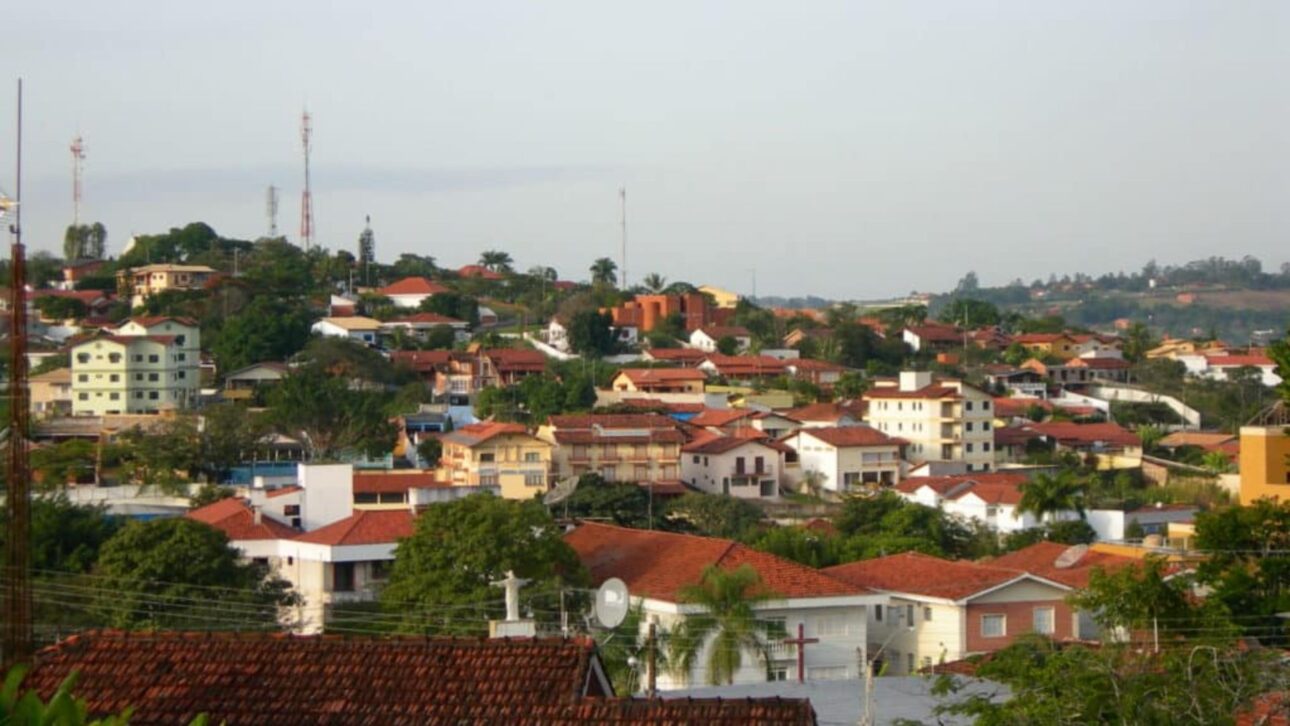
According to the city hall, territorial compactness reduces operational costs and allows for quick interventions when repairs are needed.
In social policies, the coverage of basic education for children aged 6 to 14 reaches nearly 100%, according to the School Census.
In health, the regionalized model allows for the referral of complex cases to hospitals in Piracicaba and Santa Bárbara d’Oeste, nearby cities that are part of the SUS referral network.
Indicators and Perception of Well-being
According to IBGE, Águas de São Pedro showed a Municipal Human Development Index (IDHM) of 0.854 in the last complete calculation (2010), one of the highest in the country.
Experts in urban planning highlight that factors such as small population scale, focus on tourism, and balanced fiscal management help sustain good social indicators.
The city also has low crime rates and a high rate of garbage collection and treated water supply, according to data from the Seade Foundation.
These elements are often mentioned in studies on quality of life in small municipalities in the interior of São Paulo.
Small Size, Significant Results
With a compact urban structure and continuous public policies, Águas de São Pedro has consolidated its position as a national leader in human development.
The case is frequently cited by managers and urban planners as an example of efficient administration in small municipalities.






Excelente cidade para quem quer tranquilidade. Morar em Águas de São Pedro é muito bom!!!
Muito bom!