Portuguese
  Spanish


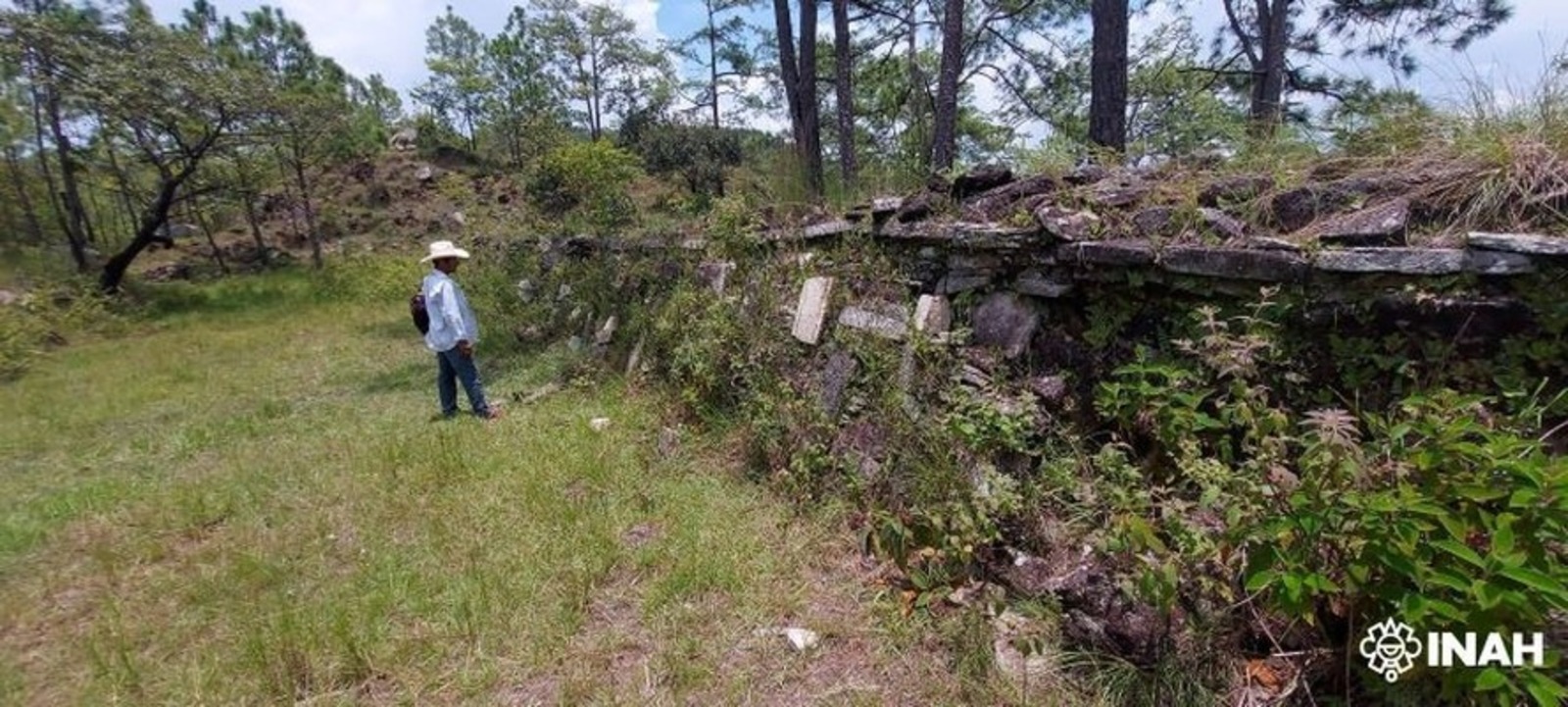


Archeologists from INAH Discovered in Xochistlahuaca, Guerrero, an Ancient Pre-Hispanic City of 1,200 Years, with Walls, a Ball Court, and Preserved Architecture that Reveals an Ancient Complex Social Organization and Strategic Fortifications
Across the hills of the community of El Carmen in Xochistlahuaca, archeologists from the National Institute of Anthropology and History (INAH) discovered a lost pre-Hispanic city about 1,200 years old. The find, announced on October 15, dates back to the Epiclassic period, between 650 and 950 AD.
Located on the Costa Chica of Guerrero, the ancient city is part of the archaeological site Paso Temprano, also known as Corral de Piedra.
The site impresses researchers with the excellent state of preservation of the structures.
-
Danish Resident Discovers Six Viking Gold Bracelets Weighing 762.5 Grams, Third Largest Gold Treasure in Denmark

-
Over 200 Cities in Southern Brazil on Storm Alert as Cyclone Near Uruguay Brings Heavy Rain, Hail, and Winds Up to 100 km/h

-
Archaeologists Discover 2,300-Year-Old Beer in Sealed Bronze Vessel from Ancient Chinese Tomb
-
35,000-Year-Old Saber-Toothed Tiger Cub Found Intact in Siberian Permafrost, Whiskers, Claws, and Skin Preserved Since the Ice Age




“It’s as if centuries have not passed, or as if it has already been explored. It is possible to observe how the houses, corridors, and the distribution of spaces were,” stated archeologist Miguel Pérez Negrete, who conducted the inspection with colleague Cuauhtémoc Reyes Álvarez.
Architecture and Social Organization of the Lost City
The site extends over more than 1.2 km and includes palatial areas, defensive walls, and a ball court. These elements suggest an organized and hierarchical society.
The construction system, known as “paramento mixteco,” uses vertical blocks interspersed with smaller slabs, similar to what is seen in Tehuacalco. This technique demonstrates the architectural mastery of the peoples who inhabited the region.
According to Negrete, access to the site is difficult due to the altitude, but reveals different sectors as one advances.
The initial areas present isolated architectural units, followed by two residential zones called Pueblo Viejo, with remains of rooms, vestibules, and corridors.
Defensive Structures and Rituals in the Lost City
The site also includes a large defensive sector, bordered by walls and narrow passages flanked by ravines. This strategic layout reinforces the military and protective character of the city.
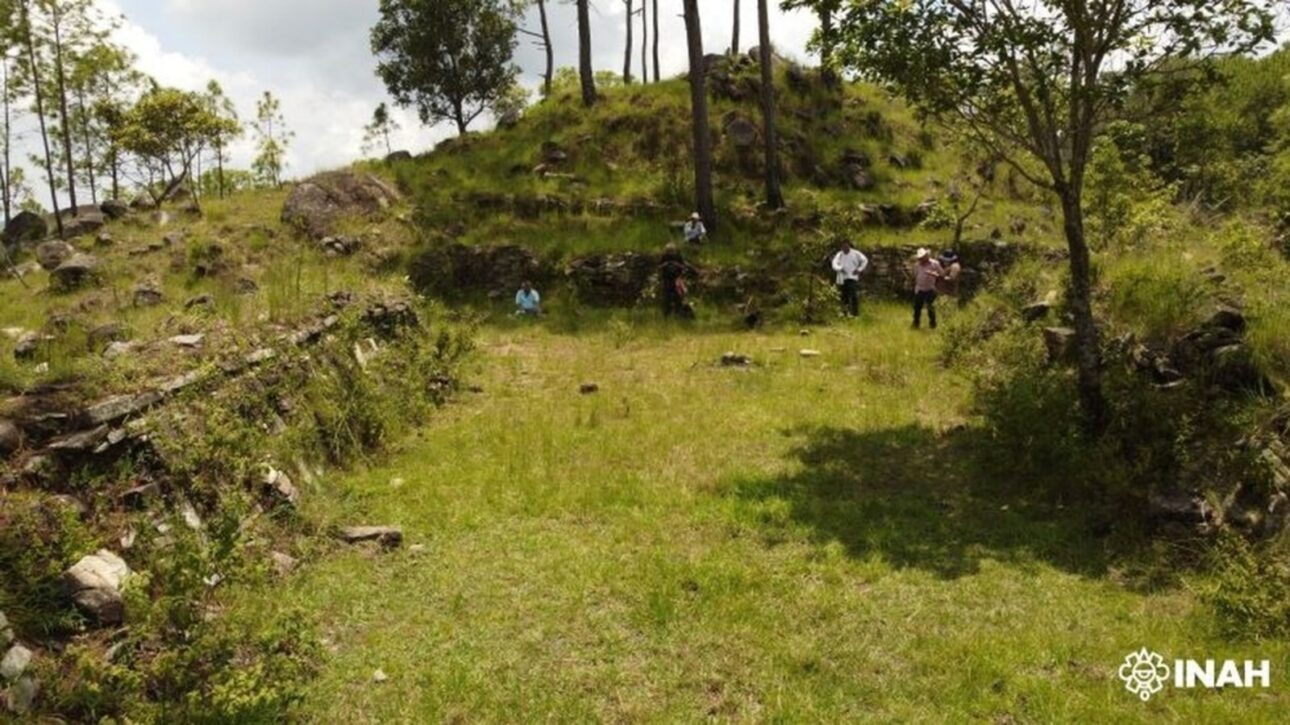
The central point is the ceremonial sector, which houses a ball court shaped like an “L,” measuring 49 meters long and 8 meters wide.
At the ends, there are natural promontories partially covered by stone walls.
“To the east, remnants of walls, a room 4.5 by 11 meters, and a smooth stele resembling an altar can be observed,” explained the archeologist. “The taller architecture shows greater care in the arrangement of the stones.”
Origin Still Unknown
Although it has been known for generations by the Nahua inhabitants as Ciudad Antigua, the origin of Paso Temprano remains uncertain.
There are indications that the Amuzgos and the Mixtecs occupied the region at the end of the pre-Hispanic period.
Negrete emphasizes that new research will be essential to understand who built the city and whom its inhabitants sought to protect themselves from.
The strategic position, with peaks and fortified cliffs, suggests a clear defensive function.
“In the coming years, the study of Paso Temprano may define a local archaeological culture that flourished between the Epiclassic and the Early Postclassic in Guerrero,” he concluded.
With information from Revista Galileu.